
A trade dispute between Canada and the United States is being felt acutely in two small communities that have long depended on each other across the Rainy River: Fort Frances, Ontario, and International Falls, Minnesota.
The towns, connected by a toll bridge that now costs about $10 for an average car crossing, have functioned for generations almost as a single community. Residents cross regularly to shop, dine, bowl, watch their kids play sports and visit family. Tom Reid, who runs a duty-free shop in Fort Frances, still crosses for a haircut from a stylist in International Falls connected to his family through marriage. But he said he is buying more Canadian products these days, citing limited alternatives.
That shift is being replicated across the border region as Canadians respond to tariffs imposed by the Trump administration and to derogatory remarks made by the U.S. president about Canada, including suggestions that it become the 51st American state. Many Canadians have pulled back on cross-border shopping and are increasingly buying Canadian-made goods instead.
Canada’s own retaliatory tariffs took effect this week, though residents on both sides said they had not yet seen the impact show up directly in local prices. Business owners in International Falls say they are already seeing fewer Canadian customers, alongside the added costs and uncertainty created by tariffs on their products.
Grant Hauschild, a Democratic Minnesota state senator whose district covers 65% of the state’s border with Canada, said he has heard from businesses reporting revenue declines of up to 30% tied to the drop-off in Canadian shoppers. For businesses already dealing with inflation and elevated costs, he said, losses of that scale can turn “a concern into devastation.”
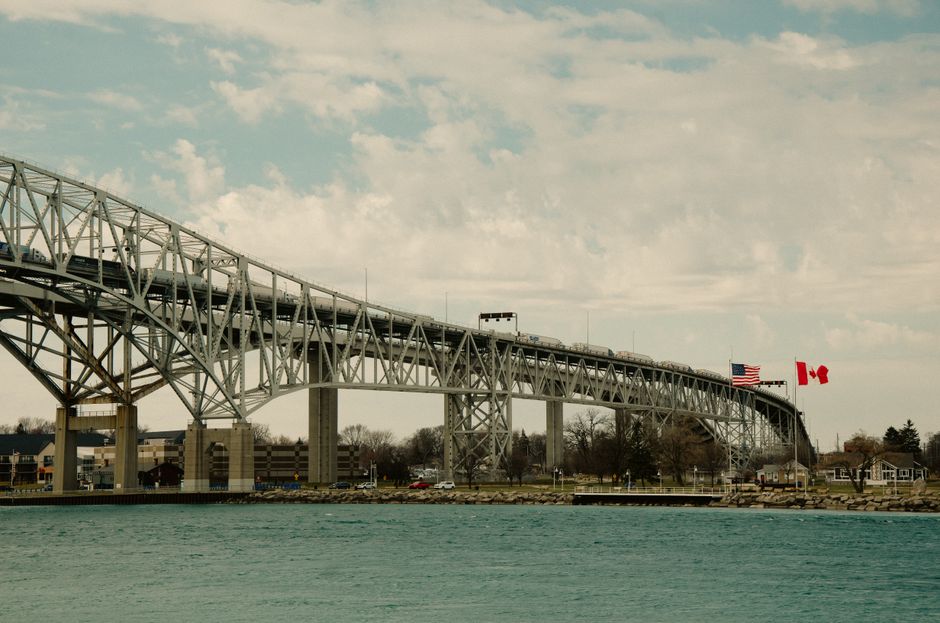
Local officials in both towns say they have no ability to counteract the economic effects of tariff policy set in Washington, despite maintaining friendly relations with one another. The mayors of Fort Frances and International Falls signed a joint declaration in 2025 affirming their towns’ friendship after Trump returned to office, and the flags of both countries, both provinces/states, and both towns fly outside Fort Frances’s town offices.
Andrew Hallikas, mayor of Fort Frances, said most residents distinguish between their feelings toward Americans generally, whom they still consider close to Minnesotans in outlook and interests, and their anger toward Trump specifically over his treatment of Canada and his 51st-state remarks. He said he wanted to be clear that Fort Frances residents have no interest in becoming part of the United States and consider Canada among the best places in the world to live.
Drake Dill, mayor of International Falls, said local leaders are simply hoping conditions improve. Hauschild expressed concern that even if trade tensions ease, the cross-border relationship may not fully return to its prior footing, as businesses seek new suppliers and shoppers on both sides grow accustomed to buying locally instead of across the border.
The two towns each grew up around paper mills; Fort Frances’s mill has since closed, while International Falls’s continues to operate. Fort Frances, the larger of the two, serves as a regional hub for the area and is set to receive an MRI machine at its hospital. Tourism tied to fishing, particularly for walleye, has historically drawn visitors to both towns, and shops on each side of the border sell souvenirs referencing both countries.
Hallikas said the prevalence of Canadian flags in Fort Frances storefronts reflects the town’s role in welcoming cross-border visitors rather than a surge in nationalism, describing the two communities as neighbours by geography but friends by choice.
This article references reporting from: