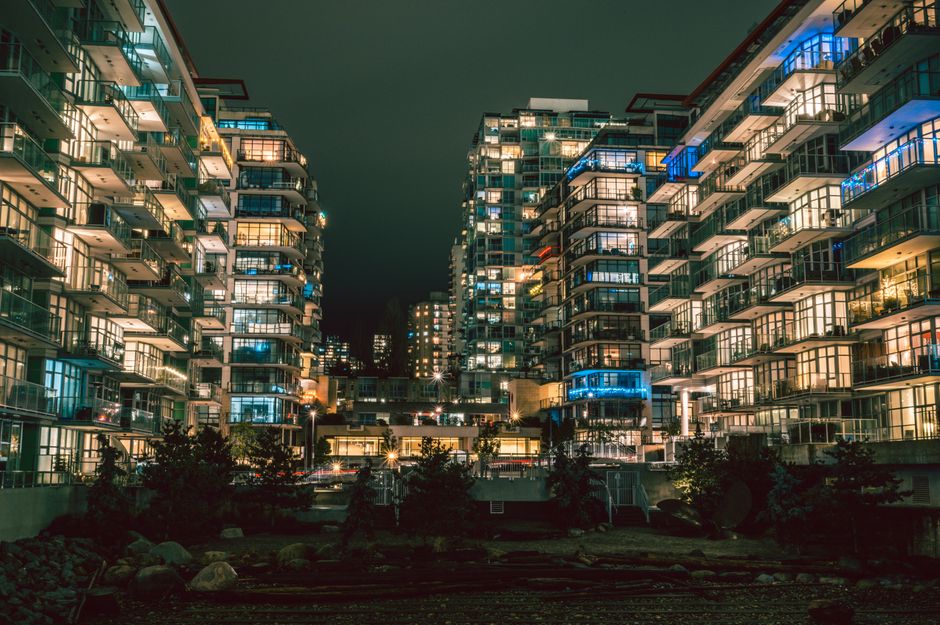
New condo construction in Metro Vancouver dropped 40 per cent in the first half of 2026 compared with the same period last year, making it the weakest first half for condo starts in the region in 15 years, according to the Canada Mortgage and Housing Corporation’s Fall 2026 Housing Supply Report.
The report, released Sept. 10, found that condo construction has not started this slowly in the region since 2011.
CMHC attributed the pullback to weak presales, elevated construction costs and a growing stockpile of completed but unsold units. The agency said the condo market remains constrained by these factors, noting that large concentrations of unsold inventory have built up in Surrey, Vancouver and Burnaby, with Burnaby experiencing particularly strong growth in unsold units.
The agency warned that the ongoing decline in condo starts could translate into fewer completions in coming years, adding further strain to the supply of ownership housing and creating risks for affordability. CMHC said future buyers could face heightened competition for a limited supply of ownership housing, which could push prices higher.
CMHC noted that condominiums have historically served as Vancouver’s main source of new ownership housing. The agency said the current pace of condo starts in the region remains 5,000 to 7,000 units below what would be needed to restore pre-pandemic affordability levels by 2036.
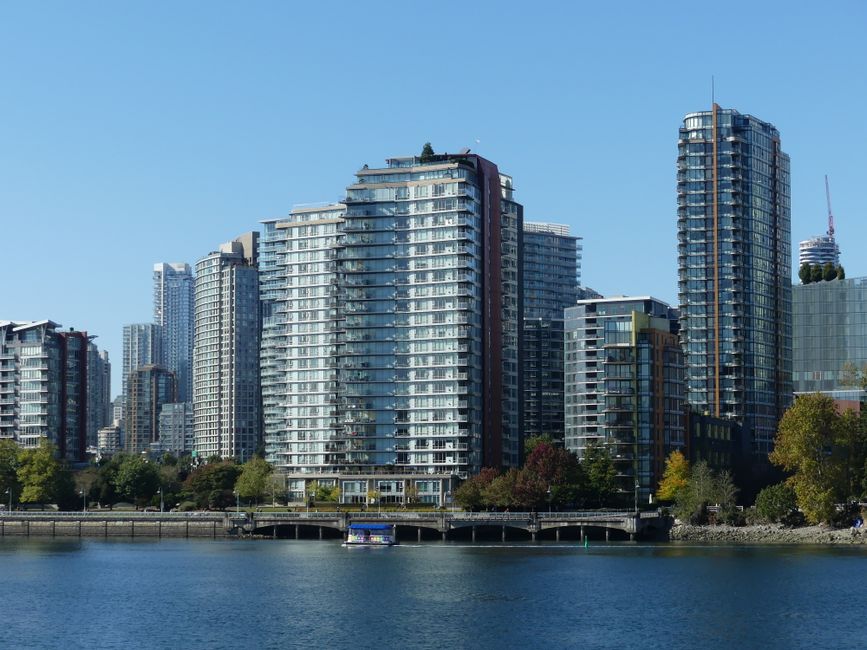
While condo construction has slowed, purpose-built rental apartments have become a much larger share of new building activity in the region. CMHC reported that rental units now make up about 60 per cent of new construction in Metro Vancouver, up from roughly 20 per cent a decade ago. The number of rental units under construction rose about 36 per cent compared with 2025.
CMHC said developers are increasingly turning to rental projects because they present less risk than condo developments under current market conditions. The agency pointed to a combination of supports helping sustain rental project viability, including municipal incentives, rental-specific zoning policies, development charge relief and favourable financing programs.
“The shift appears likely to continue,” CMHC said, adding that Vancouver is positioned to see several more years of strong rental completions, which could continue to ease pressure in the rental market.
The report suggests the region’s housing supply will continue leaning more heavily toward rental construction in the near term, even as the pipeline for new ownership housing narrows. CMHC’s Fall 2026 report did not specify when its next update on the region’s housing supply would be released.
This article references reporting from: