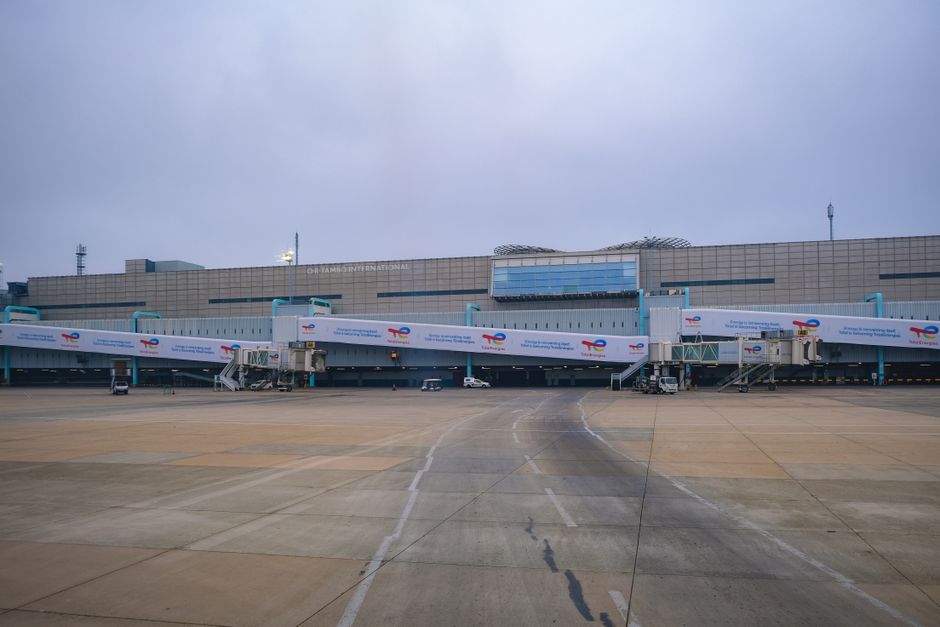
Prime Minister Mark Carney announced Tuesday that the federal government will pursue private investment in Canada’s four largest airports through long-term operating concessions, while keeping public ownership of the underlying land and assets.
Speaking in a keynote address at the Canada Investment Summit, Carney said the new approach would draw on practices used in other countries. He said the goal is to bring in outside capital and expertise to improve airport operations and support growth, rather than sell off the airports outright.
Carney said proceeds from the new investment arrangement would go toward infrastructure development, including upgrades to regional airports across the country. He pointed to Canadian pension funds, which already invest in airports internationally, as a source of expertise that could now be applied domestically. “It is time to bring that same expertise home to more directly benefit all Canadians,” he said.
The prime minister also said federal regulators would continue to oversee security and safety standards at the airports regardless of the new investment structure.
Labour Groups Raise Concerns
The Canadian Labour Congress criticized the plan, warning it could lead to higher costs for passengers and airlines, added strain on airport workers, and more revenue flowing to private investors instead of staying within public hands. Lily Chang, the organization’s secretary-treasurer, said that handing over profitable public infrastructure to private investors during a trade war moves in the wrong direction, arguing that Canada should instead invest in and retain the value of assets it depends on.
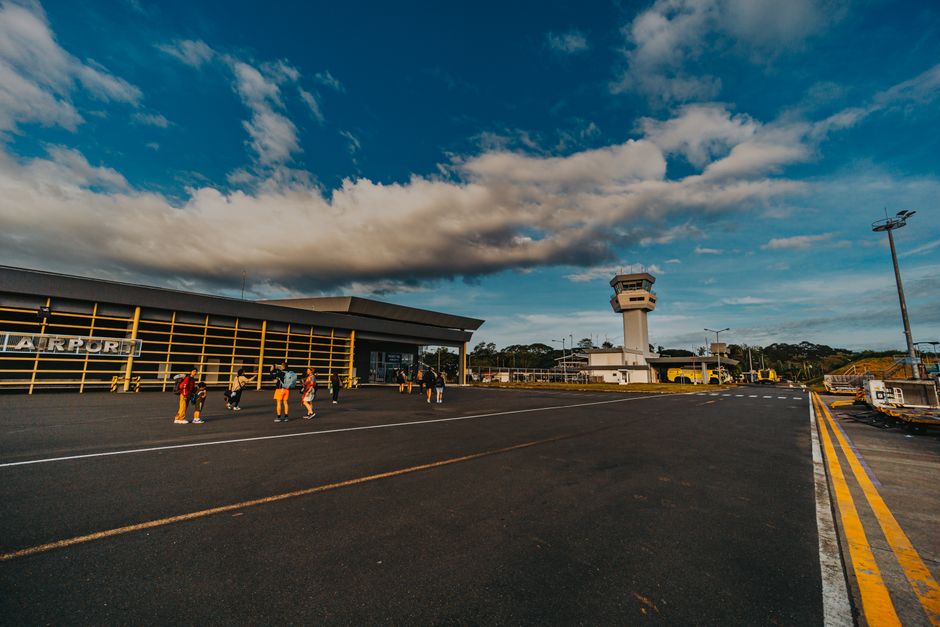
The plan builds on groundwork laid earlier this year, when details of the government’s interest in alternative airport ownership models appeared in the Spring Economic Statement. In that document, the federal government said it was working to “unlock the full potential” of Canada’s airports.
How Airport Privatization Has Played Out Elsewhere
Globally, close to 20 per cent of the world’s airports had been privatized as of 2020. A 2022 study by the U.S.-based National Bureau of Economic Research, which examined more than 2,400 airports across 217 countries, found that privatized airports run by private equity funds saw passenger traffic per flight rise by about 20 per cent, with total passenger volume climbing 84 per cent. The study also found that private ownership was linked to airport expansion, including new terminals and gates, along with fewer flight cancellations.
However, the same research found that fees airports charge to airlines tend to increase after privatization, which can translate into higher costs for travelers. The trend toward private airport ownership has also generally coincided with deregulation and reduced government limits on fees, according to the study.
Canada’s Existing Airport Framework
Canada has not fully privatized its airport system. In the early 1990s, the federal government opted to retain public ownership of airports while transferring day-to-day operations of many major facilities to non-profit airport authorities. Today, Transport Canada leases 23 airports to 21 private, not-for-profit airport authorities, with Montreal’s Trudeau and Mirabel airports run under a single authority.
Under the current system, the federal government collects rent equal to as much as 12 per cent of airport gross revenues, according to the Canadian Airports Council. The council says airports have paid more than $6.5 billion in rent to Ottawa between 1992 and 2019.
This article is for informational purposes only and does not constitute financial, investment, or legal advice. Consult a licensed financial advisor before making investment decisions.
This article references reporting from: