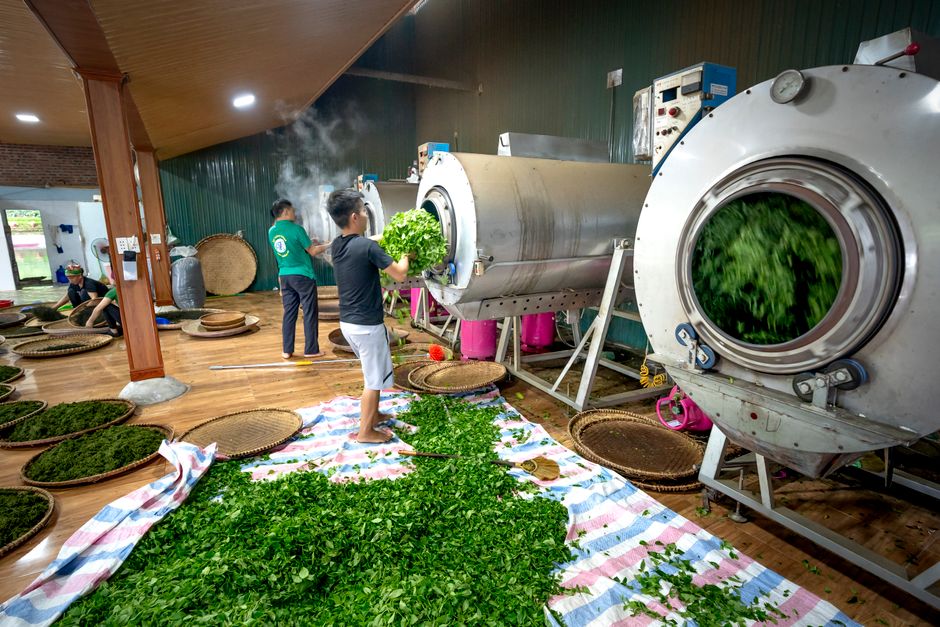
Farm Credit Canada (FCC) has opened a 60-day expression of interest process for a new $1-billion financing initiative aimed at supporting major agri-food processing and manufacturing projects across the country.
The program, called Agri-food Project Finance, is part of the federal government’s National Food Security Strategy. It is designed to help move construction-ready projects forward that would expand Canada’s capacity for food processing and manufacturing.
Goals of the New Fund
Agriculture and Agri-Food Minister Heath MacDonald said the initiative is intended to increase the amount of value-added agricultural products made in Canada, strengthen domestic supply chains, and support long-term food security by growing the country’s food processing sector.
MacDonald said the $1-billion fund works alongside a separate $150-million investment in Velocity Agri-Capital Partners, with both aimed at helping Canadian agri-food businesses expand their processing capabilities and grow their operations domestically.
How the Process Works
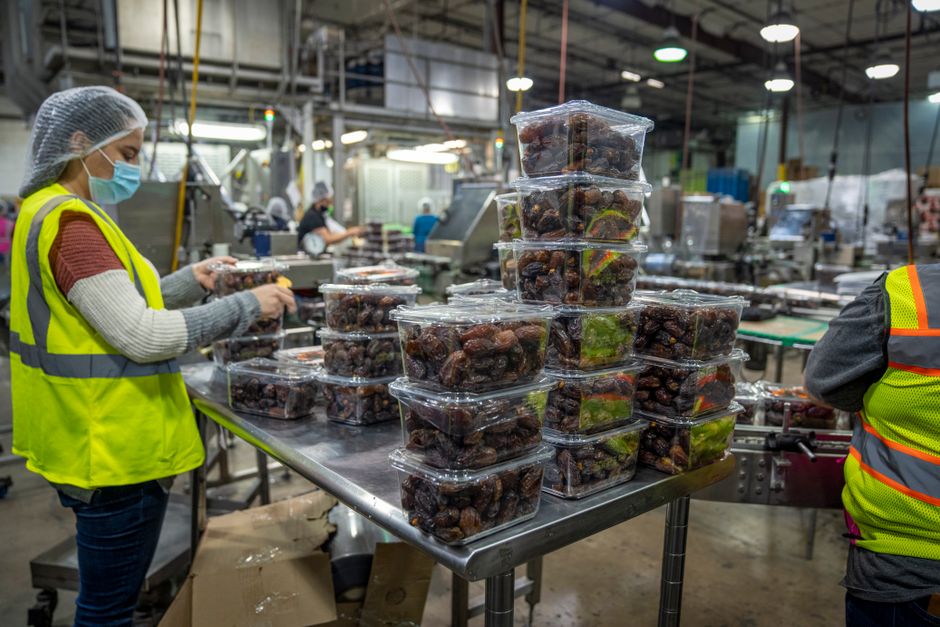
Organizations with major agri-food processing and manufacturing projects are being invited to submit expressions of interest during the 60-day window. FCC has positioned the fund specifically for projects that are considered construction-ready, meaning they are far enough along in planning to move quickly into development if selected.
According to MacDonald, the broader goal of investing in this kind of innovation and infrastructure is to support producers and help ensure Canada’s food system remains resilient going forward.
This article is for informational purposes only and does not constitute financial, investment, or legal advice. Consult a licensed financial advisor before making investment decisions.
This article references reporting from: