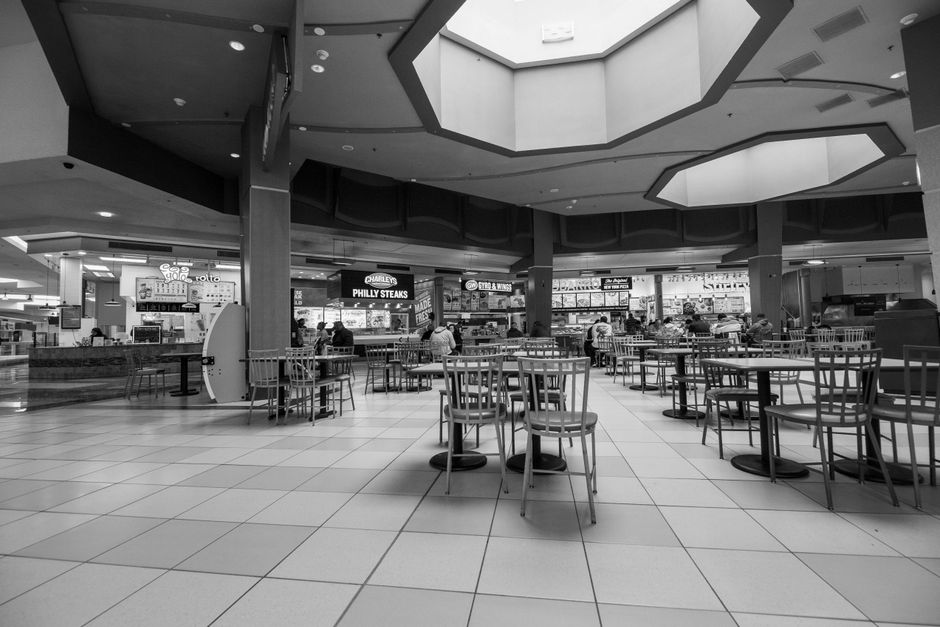
Canada’s retail real estate sector is settling into an uneasy equilibrium more than a year after the collapse of Hudson’s Bay sent shockwaves through shopping malls nationwide, with new data showing vacancy rates likely to stay elevated well into 2027 even as suburban markets tighten in the opposite direction.
According to a new forecast from CoStar Group, the commercial real estate data firm, national retail vacancy is expected to hold near 2.5 per cent over the next year as landlords and tenants work through the space left behind by Hudson’s Bay’s closures. That figure marks a jump from 1.8 per cent before the retailer shut its doors, but the more dramatic damage was concentrated in enclosed shopping malls, where vacancy spiked from three per cent to eight per cent in the second quarter of 2025 alone. Net absorption that quarter was negative roughly five million square feet, meaning far more retail space was vacated than leased.
Rent Growth Slows Toward Zero
CoStar’s chief economist for Canada, Mario Lefebvre, said the ripple effects are still working through rent trends. Rent growth stood at about four per cent in the first quarter of 2025, before the Bay closures, and had already decelerated to just above two per cent by the second quarter of 2026. Lefebvre said CoStar expects growth to bottom out near zero per cent by the second quarter of 2027 before climbing back to roughly three per cent by the end of 2028 as absorption improves.
“Notwithstanding a relatively tight market overall, we expect rent growth to continue decelerating over the next four quarters,” Lefebvre said, adding that malls specifically are expected to still be sitting at around seven per cent vacancy three years out. He cautioned that while retailers eyeing mall space currently have some negotiating leverage, “at an overall vacancy rate of 2.5 per cent, retailers should be careful not to push their luck and ask for big long-term discounts.”
Construction activity has slowed alongside demand. Retail construction starts have stayed below one million square feet per quarter since the third quarter of 2025, and only about five million square feet of retail space was under construction nationally in the second quarter of 2026 — the lowest level since the pandemic. Lefebvre said that restrained pipeline is ultimately expected to help the market rebalance, since the space vacated by Bay closures means new supply isn’t urgently needed.
Lefebvre pointed to tariffs, trade uncertainty, rising fuel costs and a declining population as downside risks that could push the recovery timeline further out. He said inflation pressures are also likely to favour “defensive” retail formats such as grocery-anchored centres over discretionary categories like enclosed malls, as consumers cut non-essential spending before essentials.
A Tale of Two Markets in Ottawa
The national numbers mask sharp regional and even neighbourhood-level divides. In Ottawa, commercial real estate firm CBRE describes the local retail market as “polarized” in its H1 2026 Retail Rent Survey, with downtown vacancy remaining stubbornly high while suburban space grows scarce. CBRE noted rising inquiries for space downtown and in the ByWard Market, but said many deals remain stalled as tenants wait to see whether the federal government’s return-to-office push will restore foot traffic to the core.
Along Bank Street in Centretown, that uncertainty plays out storefront by storefront. Samir El-Hage, who opened Mocha Mirage Café six months ago, said business has picked up as foot traffic increases, and he’s preparing to add staff for the lunch rush as more office workers return. Yet boarded-up and vacant units remain visible nearby. Centretown Business Improvement Area executive director Sabrina Lemay said the area is still in a slow-moving revitalization. “Everybody’s nervous. The economy has changed,” she said, adding that hesitant tenants are taking a cautious approach to signing new leases.
Suburbs See Opposite Pressures
Ottawa’s suburbs are facing the reverse problem. CBRE said new retail developments are being planned, particularly in the city’s south end, though residential projects continue to take priority over commercial space. Demand is growing for larger suburban units between 10,000 and 30,000 square feet, with recent leasing activity dominated by medical, entertainment and service tenants reflecting a broader shift toward experiential businesses.
In Barrhaven, Axis Ride Collective co-founder Sarah Boucher said finding affordable commercial space was difficult before the indoor cycling studio opened two months ago. “Commercial space in Barrhaven is hard to come by, especially at an affordable price,” she said, noting the business wanted to locate where its founders live and work.
CBRE said the pattern extends nationally, with suburban retail fundamentals remaining strong on the back of population growth and steady tenant demand, pushing businesses to lock down high-growth suburban locations early. The divide is visible in Ottawa’s rents: asking rates in suburban locations rose through the first half of 2026, while ByWard Market rents fell. ByWard Market space currently asks $25 to $45 per square foot, compared with a stable $40 to $55 per square foot in the Glebe and Westboro.
This article references reporting from: