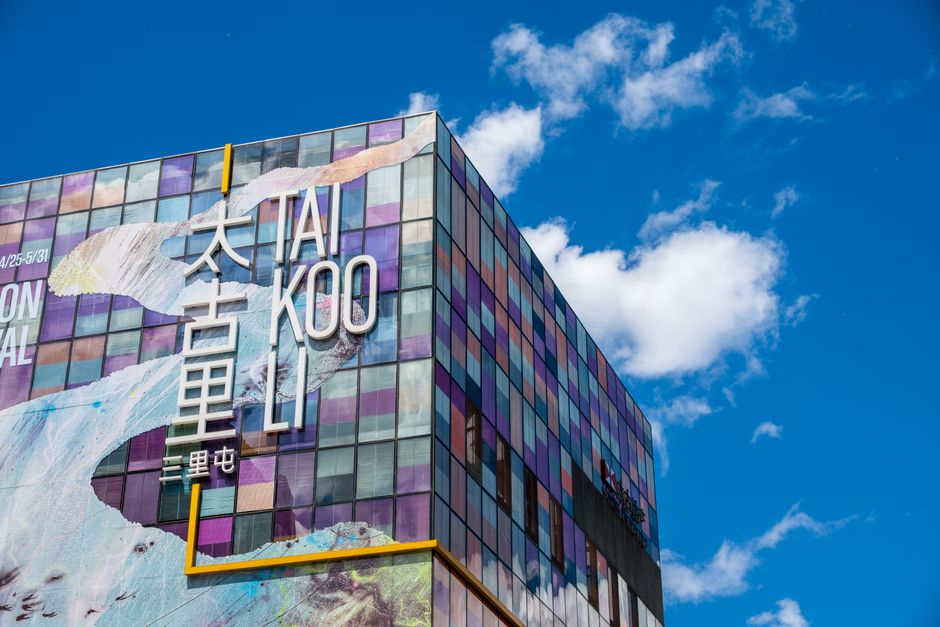
Canada’s retail real estate sector is showing signs of stabilization even as consumers stay selective with spending, according to a mix of REIT disclosures, retailer announcements and federal data tracked through the summer and into September 2026. Property owners are investing to modernize aging shopping centres and former department store space, while retailers themselves are pursuing more targeted expansion, pulling back in some categories and pushing into others.
Landlords and REITs Point to Improving Fundamentals
Primaris REIT has drawn attention for what analysts describe as a 4.24% income appeal, with commentary framing the trust’s steady distributions against a backdrop of improving retail real estate fundamentals, according to kalkine.ca. Primaris has also put capital behind repositioning older mall space, committing $19 million to convert a former Hudson’s Bay location at Galeries de la Capitale into a multi-tenant complex with new retail and dining anchors — part of a broader pattern of landlords converting vacated department store footprints into diversified, experience-driven destinations following Hudson’s Bay’s closures.
SmartCentres Real Estate Investment Trust (SRU.UN) was separately flagged by kalkine.ca as entering what it called a “pivotal stretch,” underscoring that not all retail landlords are viewed as equally positioned even as sector-wide sentiment improves.
Acquisition activity has also picked up. Westcliff re-entered the Western Canadian market by purchasing the 880,049-square-foot Kingsway Mall in Edmonton, a move Retail Insider reported was aimed at leveraging the city’s younger, educated demographic to strengthen the buyer’s national portfolio. Elsewhere, food court and shopping centre redevelopment continues, including a $49.5 million overhaul of Promenades St-Bruno intended to modernize dining offerings within the centre.
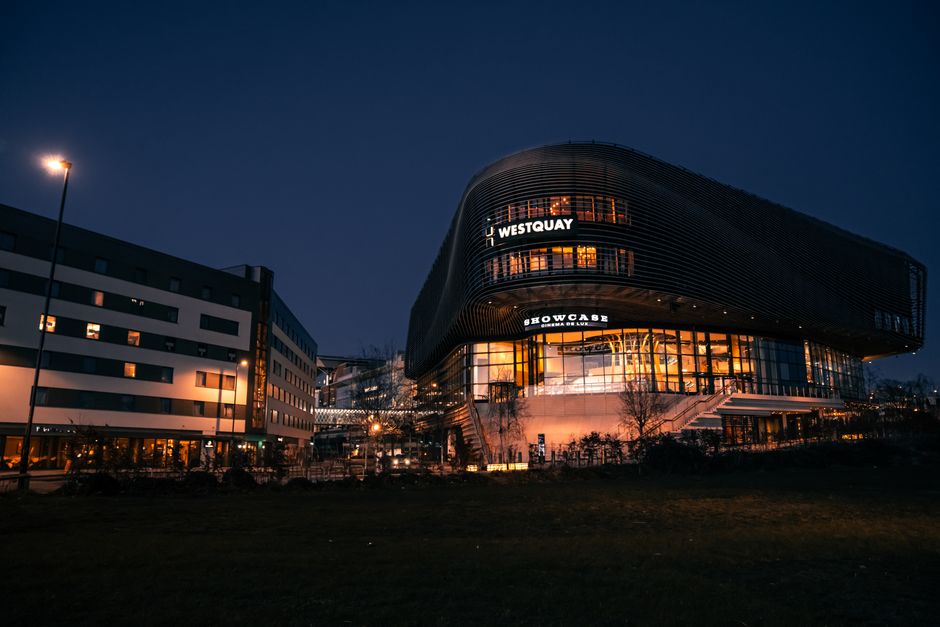
Retailers Reshuffle Their Store Networks
Tenant demand is uneven across categories. Off-price retailers Winners, Marshalls and HomeSense, all under TJX, have been gaining market share and expanding aggressively into malls and urban centres, filling some of the space vacated by Hudson’s Bay’s closures, per Retail Insider’s coverage. Canadian Tire has pursued a similar large-format repositioning strategy through its Destination Sport banner, repurposing bigger box spaces to tap into sporting goods demand.
Outdoor apparel retailer Arc’teryx has outlined plans to grow its North American store count from 75 to roughly 200 locations, targeting urban centres, mountain towns and premium retail concepts. Foodservice expansion has also been active, with Jimmy John’s opening its first Calgary location near dense institutional foot traffic, and chains including Jersey Mike’s and Happy Belly Food Group expanding across the country, adding to demand for prime quick-service retail real estate.
Not every retailer is expanding, however. Lululemon reported an 11% decline in Canadian sales for its second quarter, citing weak traffic and product relevance issues, and has responded by slowing physical store growth and trimming its product assortment. Kit and Ace, meanwhile, has been relocating to smaller but more strategically located stores within malls, reflecting a broader trend of retailers favouring flexible, right-sized real estate over larger footprints. Loblaw has taken the opposite approach in discount grocery, ramping up capital expenditure to grow its No Frills and Maxi banners as shopper preferences shift toward value.
Consumer Spending and Economic Headwinds
The retail real estate recovery is unfolding against a mixed economic backdrop. Statistics Canada reported retail sales surpassed $74 billion in June, supported by strength in general merchandise and clothing, with e-commerce sales up nearly 10%. Canada’s economy grew 0.8% in real terms in the second quarter of 2026, driven by household spending and business investment, though analysts have flagged tariff-related risks to that momentum.
At the same time, inflation and labour market pressures persist. Statistics Canada recorded a 3.0% year-over-year increase in the Consumer Price Index, led by gasoline and travel costs, while the broader economy shed 42,000 jobs in August — losses that touched retail employment as well. Retail Insider’s Canadian Retail Monitor for August noted rising sales volumes in categories such as health, personal care and apparel, even as grocery spending contracted and fuel sales climbed mainly due to higher prices rather than volume growth.
Foreign trade tensions are adding further complexity for tenants and landlords alike. Tariff pressures have pushed some manufacturers to pivot toward Canadian markets, and renewed “Buy Canadian” sentiment has been cited as a factor shaping merchandising and sourcing decisions. Commentary tracked by Retail Insider has also warned that the Canadian restaurant industry could lose thousands of independent full-service establishments in 2026, a trend that would directly affect retail landlords with significant foodservice tenant exposure.
Taken together, the data points to a retail real estate sector in transition: REITs and mall owners investing in repositioned, mixed-use space; some retail categories expanding aggressively while others retrench; and a consumer backdrop shaped by inflation, softer employment and continued price sensitivity heading toward the holiday season.
This article references reporting from: