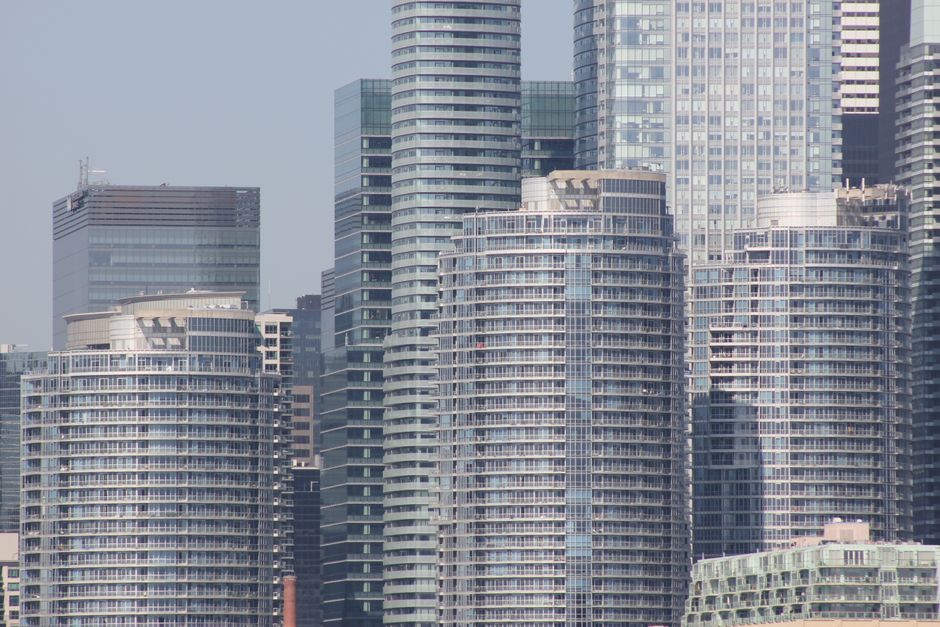
Canada’s condominium sector is caught in a rare squeeze: prices have fallen sharply enough to draw legal disputes over unfinished purchases, yet housing agencies warn the country still faces a severe shortage of new supply — with condo construction identified as one of the weakest links.
In the Toronto region, the epicentre of the correction, home prices have dropped by almost 25 per cent since the pandemic peak, according to the Toronto Star. Condos have fallen even further, down 23 per cent from their 2022 high, based on analysis by real estate data expert Christian Mijatovic. That decline has pulled some units within reach of moderate incomes: in Toronto’s Black Creek neighbourhood, a household earning about $77,000 can now qualify for the area’s median-priced condo of $355,000, Mijatovic found. At the other end of the scale, the Bridle Path—Sunnybrook—York Mills area still requires an income near $267,000 for a $1.425-million condo.
But analysts caution that cheaper price tags haven’t translated into meaningfully better affordability once carrying costs are factored in. John Pasalis, founder and broker of Move Smartly Realty, said monthly mortgage costs on an average home are down only about 10 per cent from their peak, even though sticker prices have fallen much further, because interest rates remain well above pre-pandemic norms. “We’re not that much more affordable once you take the higher interest rates into account,” Pasalis said. Jamie David, vice-president of mortgages at Ratehub.ca, said price declines were the main driver of the modest affordability gains recorded in July, with Toronto’s average price dipping under $1 million for the first time since January, according to Toronto Regional Real Estate Board data.
Construction Pulls Back as Prices Fall
The price correction is also discouraging new building. Canada Mortgage and Housing Corp.’s latest supply gap report estimates the country needs between 417,000 and 469,000 new housing units per year over the next decade to restore 2019-level affordability by 2036 — a target it is falling well short of. Housing starts totalled 131,851 through July, down four per cent from the same period in 2025, and CMHC projects Canada is on pace for roughly 231,000 units annually, about half of what’s required.
CMHC deputy chief economist Aled ab Iorwerth said the risk is that builders pull back just as demand eventually rebounds. “Although slower population growth has brought some improvements in affordability, new construction is slowing faster than demand,” he said, adding that “the key risk now is Canada underbuilds during this softer market and finds itself further short of housing when demand strengthens again.”
The report singles out condos as a particular weak spot. In Toronto, new construction activity has weakened “sharply,” especially in the condo segment, even as the overall supply gap narrows thanks to lower prices. Montreal shows a similar pattern — strong overall construction, but concentrated in rental housing, while weak condo supply limits ownership options. High construction costs, difficult presale financing conditions and cautious developers were all cited as factors weighing on new condo launches nationally.

When Presale Buyers Can’t — or Won’t — Close
The falling market is also generating legal fallout for buyers who signed pre-construction condo contracts when prices were higher. According to an analysis published in Law360 Canada, purchasers of newly built condo units who now find the unit’s market value well below their contracted price have few good options. Backing out of a purchase agreement can expose buyers to lawsuits for damages — including the gap between the contract price and the lower resale price, plus carrying costs, legal fees and interest — beyond just the loss of their deposit. The article notes that disputes of this kind echo cases from the early 1990s downturn, when purchasers who challenged deals in a falling market largely failed, and it advises that closing with one’s own funds, however painful, is generally preferable to the legal and financial consequences of walking away.
Foreign Buyer Ban Decision Looms
Adding to the uncertainty is a federal policy deadline: Canada’s ban on non-resident foreign homebuyers, introduced in 2022 and extended in 2024, is set to expire on January 1, 2027, with no indication yet from Ottawa on whether it will be renewed, amended or allowed to lapse. A recent Canadian Mortgage Professional survey found 58 per cent of mortgage industry respondents want the ban kept, while a Research Co. poll found about 76 per cent of Canadians support it.
Some industry voices argue the ban should be loosened specifically because of the condo glut. Dominion Lending Centres Group chief economist Sherry Cooper said she favours relaxing restrictions, pointing to Toronto listings that have sat for 18 months. “It just makes no sense to prohibit that activity, especially now that we have a glut as opposed to a shortage,” she said. Mike Moffatt, economist and founding director of the Missing Middle Initiative, said the ban likely had limited real impact, arguing it targeted problems concentrated in Toronto and Vancouver and arrived “a few years too late to really accomplish much of anything.” A legal analysis by Borden Ladner Gervais suggested Ottawa could look to Australia’s model, which allows foreign purchases of vacant land, newbuilds and large-scale redevelopment projects rather than a blanket ban.
Meanwhile, broader market conditions remain unsettled. The Canadian Real Estate Association reported national sales activity fell 6.9 per cent year-over-year in a recent month, and rising bond yields have put upward pressure on fixed mortgage rates even as the Bank of Canada holds its policy rate steady. Mortgage broker Drew Donaldson of Donaldson Capital said he still expects a typically busy fall and winter season despite the headwinds, though he flagged a resolution to the ongoing Canada-U.S. trade dispute as the single biggest factor that could determine when the broader housing market, including condos, sees a sustained rebound.
This article references reporting from: