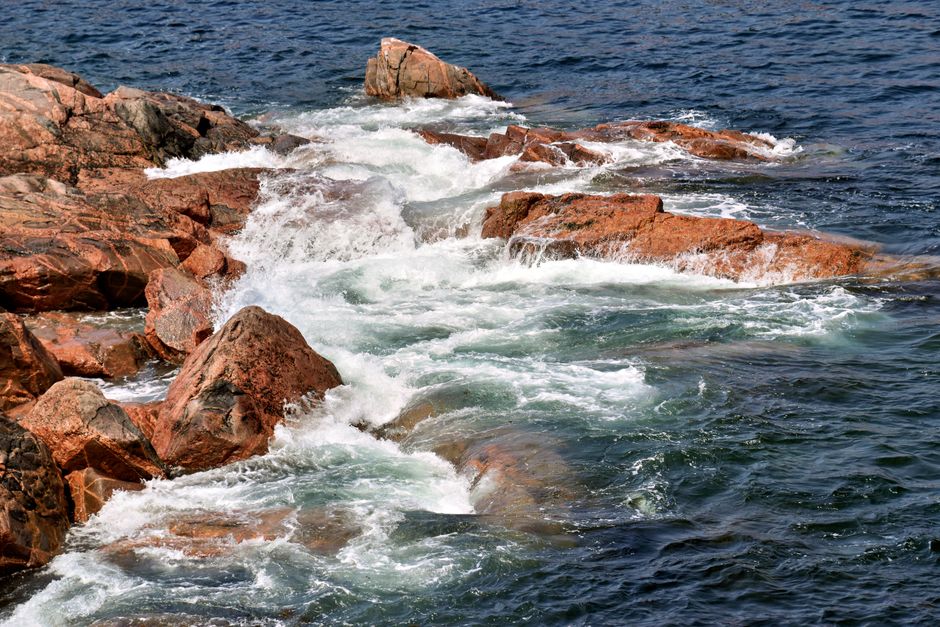
For a decade, Dennis MacLeod has been trying to buy a cottage along the shoreline near Seafoam and River John, N.S., drawn by what he describes as some of the best sunsets in the country. He hasn’t managed to close a deal yet — not because he can’t afford one, but because there simply aren’t enough listings to choose from. “For the last 10 years I have been looking to buy a cottage, but I can’t seem to get one,” said MacLeod, who lives in Truro, N.S. Cottages that do come up for sale in his price range, roughly $200,000 to $300,000, often need renovations that push the true cost higher.
MacLeod’s frustration is playing out against a broader reshaping of Canada’s recreational property landscape, one in which buyers are increasingly looking east as prices in the country’s traditional cottage strongholds climb out of reach for many.
A Widening Price Gap Across the Country
New regional data compiled by RE/MAX illustrates just how far apart cottage markets have drifted. In Northern Nova Scotia, the average cottage price sits at $372,590 — well below Charlottetown’s average of $444,900, and less than half the $722,839 average recorded in Ontario’s Muskoka region, long considered the benchmark for Canadian cottage country. That gap has turned Nova Scotia into what Royal LePage Atlantic president Matt Honsberger calls a comparatively affordable entry point, even as prices there have already moved sharply.
“As people in Canada start to wake up as to what’s available in Nova Scotia, you are going to see people coming from away and buying recreational properties,” Honsberger said. He noted that even the region’s more modest recreational properties have surged in value over the past five years. “I would say lots of them are up 60, 70, 80 even 100 per cent,” he said.
What’s Driving Buyers to Look East
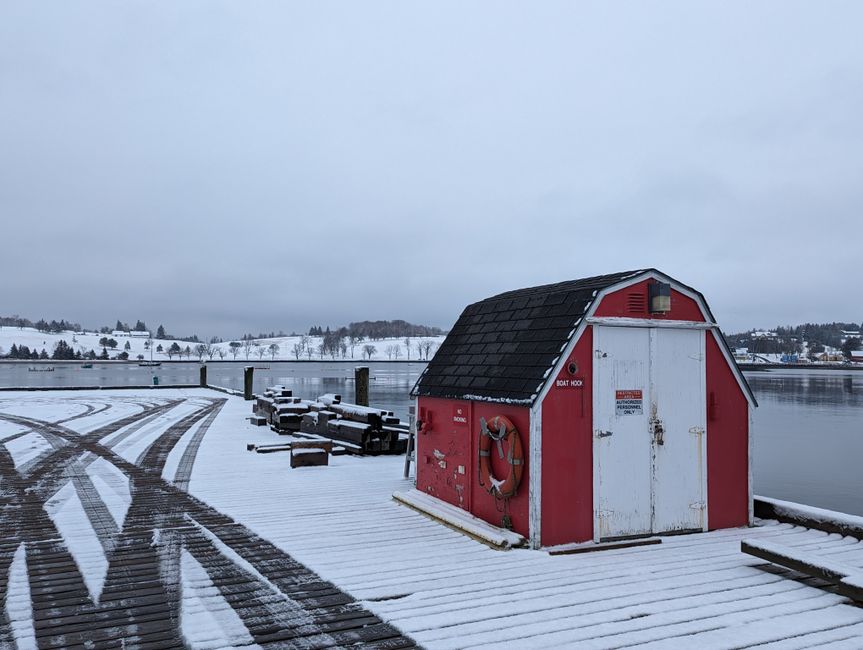
Dalhousie University professor Lorn Sheehan, who specializes in tourism and destination management, said the shift is being fuelled by cottage seekers who first encounter Nova Scotia as visitors and return later as prospective owners. “They are amazed at what they see and the experiences that they have,” Sheehan said. “And as they come back, perhaps for a second time they are then hunting for a cottage.”
Sheehan pointed to the pandemic-era remote-work boom as an early accelerant of cottage demand across Canada, as many Canadians in 2021 were able to work from anywhere. That flexibility has since receded for a large share of workers, prompting some owners to reassess how much value they’re actually getting from a second property. “Now, as working from home becomes less of an option for many people and many organizations, we are seeing a lot of people revisit what value they are getting from that recreational property,” Sheehan said.
He also argued that Nova Scotia offers something the Ontario market structurally cannot: a choice between lake and ocean settings within the same region. “Do buyers want to be located on lake because that’s going to be more affordable, or do they want to be located on the ocean?” Sheehan said. “That is something that is not offered to buyers in the Ontario market.”
A Buyer’s Market That May Not Last
For now, the imbalance between limited inventory and rising interest has created what’s described as a buyer’s market in parts of Northern Nova Scotia — but one that observers expect to tighten as awareness of the region spreads among cottage shoppers from other provinces. Honsberger’s comments suggest that outside buyers discovering the region’s relative affordability could accelerate the kind of price growth already seen in Muskoka and Charlottetown, narrowing the gap that currently makes Nova Scotia attractive.
That dynamic is exactly what MacLeod is racing against. He acknowledges the competition from other buyers eyeing the same stretch of coastline, but says the region’s prices remain within reach for now. “I am going to get one of them, one of these days,” he said.
The Bigger Picture for Cottage Country
The data comparing Muskoka, Charlottetown and Northern Nova Scotia points to a national cottage market that is no longer defined by a single dominant region. Where Ontario’s lake districts have long set the price ceiling for Canadian recreational property, the emergence of coastal Atlantic Canada as a lower-cost alternative — with the added draw of ocean access — is redirecting some buyer attention eastward. Whether that shift proves durable will depend on how quickly inventory expands to meet demand, and how long the current price gap between regions persists before out-of-province buyers close it themselves.
This article references reporting from: