A new survey from the National Payroll Institute has found that more than a third of Atlantic Canadians would struggle to meet their financial obligations if their paycheque arrived even a week late, a figure that outpaces the national average and is being felt acutely at food banks across the region.
The survey found that 28 per cent of Canadians nationally would have trouble covering their bills if their pay were delayed by a week. In Atlantic Canada, that number climbs to 34 per cent. Peter Tzanetakis, president and CEO of the National Payroll Institute, said the findings point to a broader financial strain among working Canadians.
“Working Canadians are in financial crises,” Tzanetakis said. “More are losing control of their finances.”
Stress Extends Beyond Low-Income Earners
Tzanetakis said the financial pressure captured in the survey is not limited to people earning average or below-average incomes. He noted that even individuals with six-figure salaries are considered financially stressed under the survey’s findings.
In Atlantic Canada specifically, the survey found that 60 per cent of respondents identified groceries as their largest source of financial stress. Nearly half of respondents in the region, 48 per cent, reported feelings of anxiety or depression tied to their financial situation.

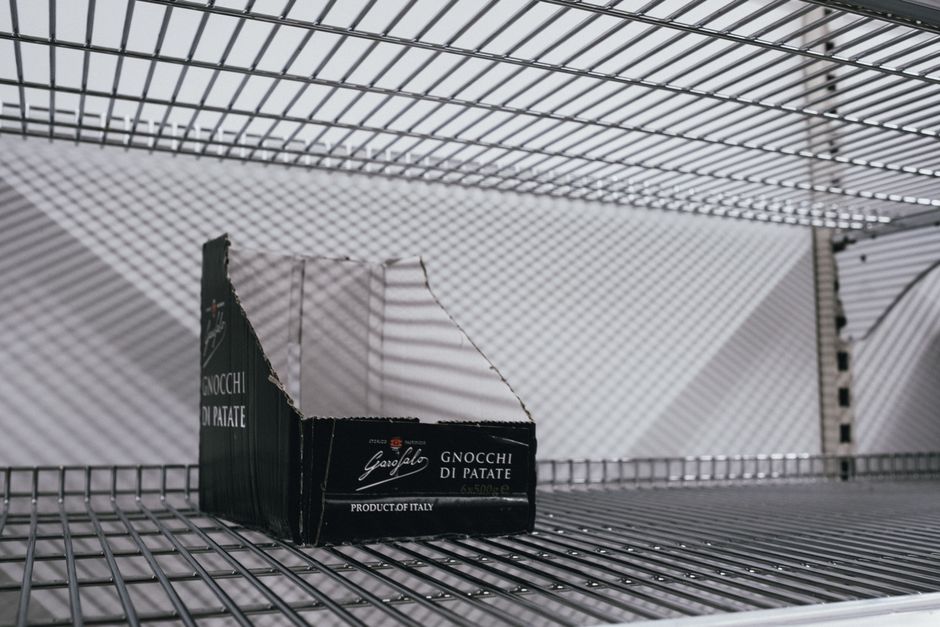
The strain described in the survey is playing out in real time at the Glace Bay Food Bank in Nova Scotia, where co-ordinator Linda MacRae said shelves that are normally stocked have been running bare. MacRae said she has seen a growing number of people with steady employment coming through the food bank’s doors, and that those earning lower wages are increasingly anxious as winter approaches and heating costs rise.
“Even when people are getting their paycheques on time, they’re still not making it work,” MacRae said. She described conversations with clients as emotionally difficult, with some expressing fear about how they will manage the cost of heating oil this winter.
Donations Down as Need Rises
MacRae said donation levels at the food bank have declined, particularly since the spring, even as the number of people seeking help continues to grow. She attributed the drop in part to donors themselves facing financial pressure and prioritizing their own households.
“I understand people are finding it hard to donate because they are trying to look after themselves,” MacRae said. “So, we are really in a catch-22 right now. Our client list is going up and donations have gone down.”
The survey also measured broader sentiment about financial futures. Nationally, 29 per cent of respondents said they feel optimistic about their financial outlook, while 50 per cent described themselves as uncertain and 22 per cent said they feel pessimistic.
Tzanetakis said the workplace is increasingly becoming a place where financial strain surfaces, and suggested that employers pay closer attention to the issue. He pointed to automatic savings programs, which allow a small portion of pay to be set aside, as one way employees could build a financial buffer over time.
This article references reporting from: