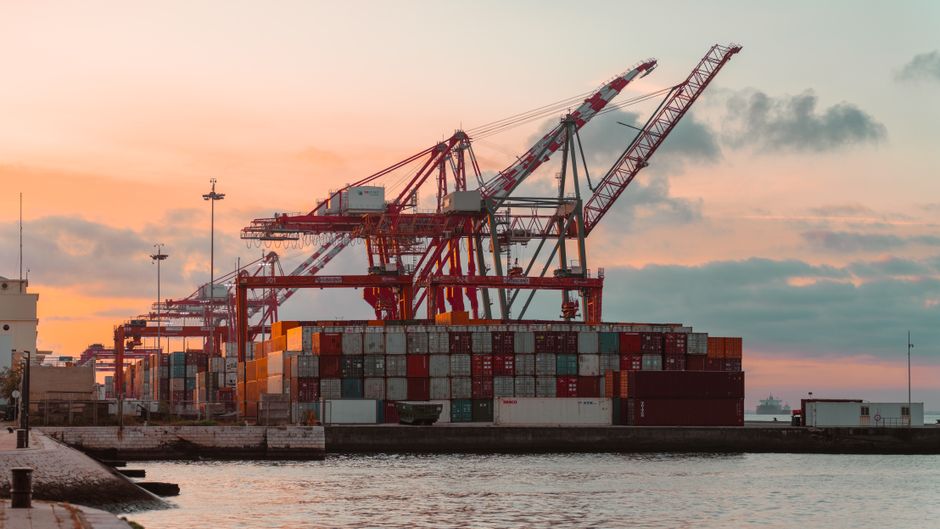
The Bank of Canada says shifting global trade patterns, including new U.S. tariffs, are forcing Canadian businesses to rethink where they produce goods and who they buy from, with lasting effects on how the domestic economy functions.
In a new explainer published September 24, the central bank notes that international trade has long been central to Canada’s prosperity, allowing Canadian companies to sell products to a much larger global customer base than the country’s own population could support, while also giving businesses and consumers access to a wider range of imported goods. Trade between countries, the bank says, helps keep prices lower by allowing nations to specialize in what they produce most efficiently, and it fosters competition that keeps Canadian companies from raising prices unnecessarily.
A Sudden Shift With the U.S.
The United States remains Canada’s largest trading partner by a wide margin, with Canada selling more goods and services to the U.S. than to all other countries combined. The Bank of Canada points to several built-in advantages in the relationship, including the size of the U.S. economy, its geographic proximity to Canada, a shared language, and similar business practices.
That relationship changed abruptly in early 2025, when the United States began imposing tariffs on a range of Canadian-made products. According to the Bank of Canada, tariffs function as a tax on imported goods, and businesses often respond by shifting production domestically or switching to suppliers in countries facing lower tariff rates. Such shifts can reduce demand for Canadian exports — for instance, if a U.S. company opts for an American-made product instead of a Canadian one — which can translate into fewer jobs and slower economic activity in Canada over time. The central bank notes that reduced demand can also lead businesses to pull back on investment, potentially weighing on the economy’s overall capacity to produce goods and services.
How Businesses Are Responding
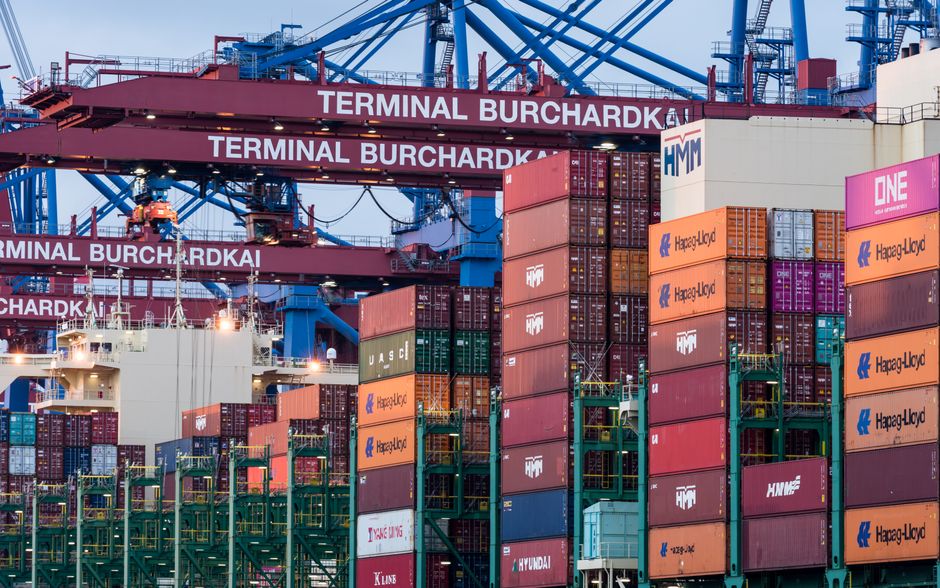
The Bank of Canada says Canadian companies are adjusting in several ways, including changing suppliers and investing in new technology aimed at cutting costs and improving resilience. Many exporters are also looking to diversify by seeking customers in markets outside the United States, according to the bank.
However, not all sectors are equally positioned to adapt. Producers of agricultural products, mineral resources and energy tend to have an easier time finding buyers internationally because global demand for these goods is broad. Manufacturers face a tougher path, the bank says, often contending with fierce international competition, lower labour costs abroad, and significant government subsidies in other countries. Even manufacturers that do find new customers face a lengthy process in building those business relationships.
The Bank of Canada identifies the automotive, steel, aluminum and lumber industries as among those hit hardest by U.S. trade actions. Still, the bank notes that broader economic activity has not suffered as much as initially feared, largely because the Canada-United States-Mexico Agreement (CUSMA) continues to shield many Canadian goods and services from tariffs. The bank cautions, however, that uncertainty remains over how CUSMA will evolve, and as long as that uncertainty persists, companies may keep reconsidering where they produce and source their inputs.
Trade’s Long Evolution
The report places the current disruption within a longer history of global trade policy. In the late 1940s, 53 countries signed the General Agreement on Tariffs and Trade (GATT), aimed at reducing trade barriers, which the Bank of Canada credits with supporting decades of global economic growth. Canada and the United States signed a bilateral free trade agreement in 1988, followed by the North American Free Trade Agreement among Canada, the U.S. and Mexico in 1994. The World Trade Organization was established in 1995, replacing GATT as the framework for global trade rules.
The bank also points to China’s entry into the WTO in 2001 as a major turning point. China’s manufacturing sector initially produced simple, low-cost goods but has since expanded into complex products such as aircraft and electric vehicles, putting Chinese manufacturers in direct competition with producers in Canada, Europe and the United States. China now accounts for roughly a third of global manufacturing, according to the Bank of Canada, a shift it describes as a major transformation for the global economy.
This article references reporting from: