Poor health among workers and unmet caregiving needs cost the Canadian economy more than $100 billion in 2025, according to a new report from Deloitte Canada released Tuesday.
The report describes Canadian workers as being sidelined by illness, poor mental health, or caregiving responsibilities. Michelle Theroux, national health leader at Deloitte Canada, said productivity is one of Canada’s most pressing challenges, yet health is rarely treated as part of the productivity conversation. Theroux added that technology, artificial intelligence, or workforce upskilling alone cannot be expected to resolve the country’s productivity challenges.
Two Gaps Driving the Losses
Deloitte’s report points to two distinct healthcare-related gaps weighing on the economy. The first, described as a “prevention gap,” reflects productivity lost to illnesses that could have been prevented, amounting to $55.1 billion in losses tied to time away from work.
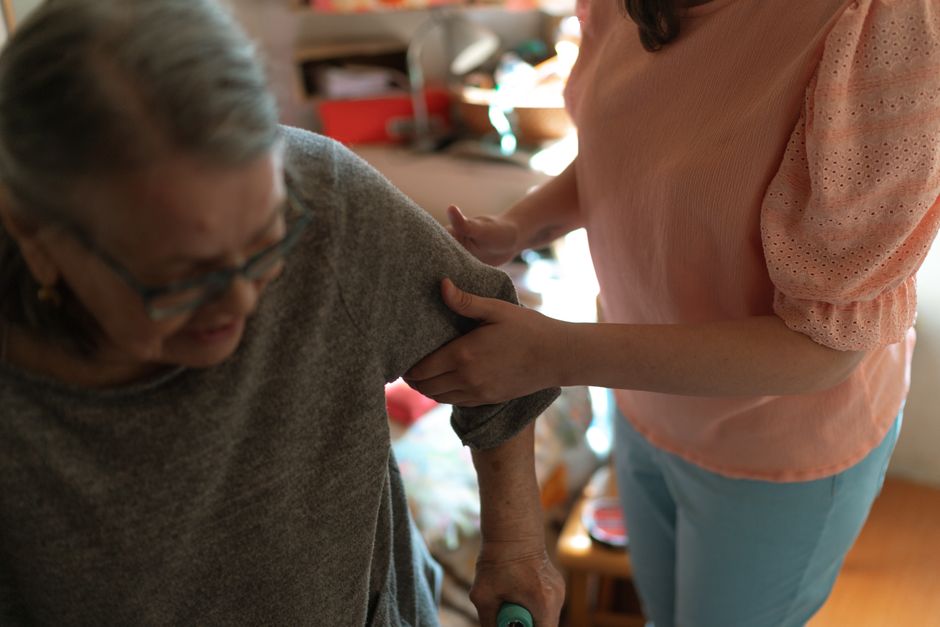
The second is called the “participation gap,” which captures workers missing work due to chronic disease, mental health challenges, and caregiving duties. According to the report, unpaid caregiving responsibilities alone caused $48.5 billion in lost labour income in 2025. An additional $1.1 billion in losses was attributed to premature mortality, reflecting the costs of replacing and training workers.

The report estimates that reducing health-related barriers to workforce participation could recover more than $25 billion annually for the economy. Among its recommendations, Deloitte suggests enrolling every Canadian in what it calls a “Health Home,” an integrated system of primary and preventative care, along with financial tools aimed at disease prevention and steps to reduce participation barriers for people managing chronic illness or caregiving obligations.
Caregivers Under Financial Strain
The Deloitte findings echo an earlier survey published this year by the Canadian Centre for Caregiving Excellence, which found that Canada’s caregivers are increasingly financially squeezed as they attempt to balance careers with caring for family members in need.
That survey found 59 per cent of respondents said they are juggling caregiving duties alongside their careers, while 36 per cent said caregiving responsibilities had hurt their productivity and reduced their earnings. The Centre’s report also found that one in four Canadians is currently a caregiver, and at least half of Canadians will take on caregiving responsibilities at some point in their lives, together contributing an estimated $97 billion in unpaid labour annually.
Economic Costs of Worker Health and Caregiving Gaps in 2025
The availability of professional care is also becoming more limited, the Centre for Caregiving Excellence report found. More than three-quarters, or 76 per cent, of care providers said they are considering leaving the profession, citing low wages and safety concerns.
This article references reporting from: