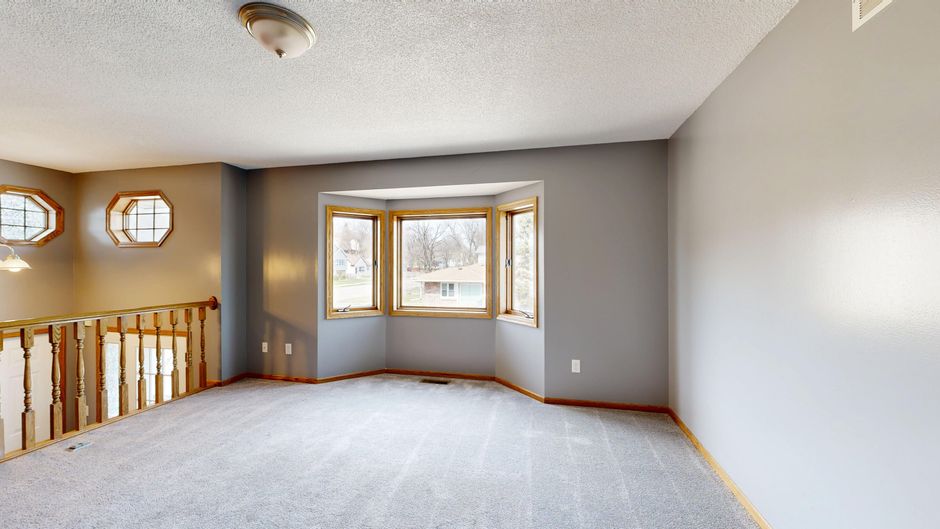
Artificial intelligence is increasingly being used to stage homes in Canadian real estate listings, prompting mixed reactions from prospective buyers and renters who question whether the practice misrepresents properties.
Two recent listings highlighted the trend. A five-bedroom home at 41 Grange St. in Guelph, Ontario, listed for close to $1.3 million, included both standard photos of empty rooms and AI-generated versions showing the same spaces filled with period-style furniture, a family seated for a meal, and even a depicted household staff member. The listing was shared on the RealEstateCanada subreddit, where reactions were split. Some commenters said they appreciated seeing a room’s potential, while others argued the AI images exaggerated the size of the spaces and called for the practice to be banned outright.
A second listing, for a one-bedroom rental unit in Vancouver advertised at $2,400 a month, drew similar scrutiny. The Craigslist post included a disclaimer stating that the first four images were “virtually staged using the same dimensions as actual,” but comparisons between the original and AI-altered photos showed more than just added furniture. The virtually staged images appeared to smooth out crooked angles in the original room and even added a dishwasher that was not present in the real unit. Commenters on the VancouverHousing subreddit said the discrepancies made them distrust the accuracy of the listing altogether, with one person noting they wanted to see the actual floor rather than an idealized version.
Industry Group Weighs In
The Canadian Real Estate Association (CREA) addressed the growing use of AI in the industry in a release published in June. The association said AI use should be guided by transparency, accuracy, and accountability. CREA’s code of conduct for realtors, last updated in April 2023, does not specifically mention artificial intelligence, though its broad language could be interpreted to permit AI-generated content in listings or descriptions.
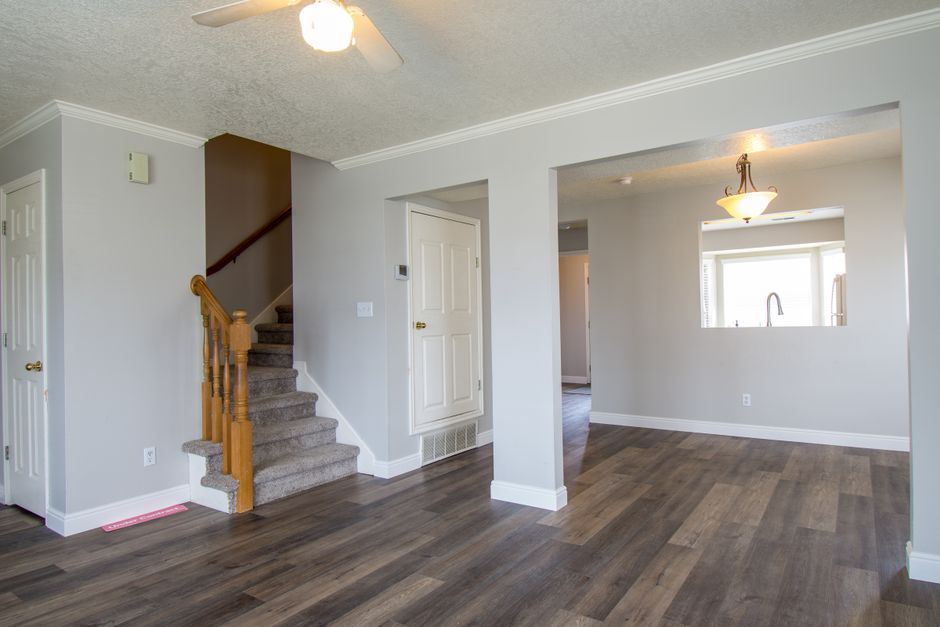
In a separate release from May, CREA posed the question of whether realtors should adopt AI-based home staging. Theresa Kerr, a realtor with Century 21 in Ontario, told CREA that AI staging can help demonstrate a home’s potential to buyers. She also pointed to cost as a major driver behind the trend, noting that generating an AI-staged room costs a fraction of traditional staging, which typically requires renting or purchasing furniture at significant expense to either the homeowner or the realtor.
Balancing Cost Savings With Buyer Trust
While AI staging offers a cheaper alternative to physically furnishing a home for photos, the online reactions to the Guelph and Vancouver listings suggest some buyers and renters remain wary of how the technology is disclosed and used. Concerns raised in online discussions centered on whether AI-enhanced images accurately reflect a property’s true size, condition, and layout, particularly when alterations extend beyond furniture to details like room proportions or added fixtures.
This article references reporting from: