
Canada’s export credit agency is pouring more money into supporting exporters squeezed by an escalating tariff dispute with the United States, even as the country’s overall trade balance has been buoyed by a separate force: oil.
Export Development Canada (EDC) said it is expanding its Trade Impact Program (TIP) from September 1, adding a C$700 million envelope of direct financing aimed largely at small and medium-sized businesses. The program, first launched in March 2025 after an early round of US tariffs on Canadian steel and aluminum, had committed up to C$5 billion in financing and insurance capacity over two years. By August 2026, EDC said it had deployed roughly C$3 billion of that through more than 6,000 transactions supporting over 800 Canadian companies. Support has been spread across the country, with Ontario receiving 31% of it, Quebec 26%, Western Canada 23% and Atlantic Canada 20%, according to the agency.
“We are reaffirming our commitment to helping Canadian businesses navigate the impacts of tariffs and build long-term resilience,” said Alison Nankivell, president and CEO of EDC, adding that expanding the agency’s risk appetite would let “more companies… have the financing, insurance and support they need to manage risk, seize new opportunities and grow with confidence.”
A Trade War That Keeps Escalating
The expanded program follows the collapse of trade talks between Washington and Ottawa, after which the US imposed 50% tariffs on roughly US$20 billion of Canadian goods — about 5.5% of the country’s cross-border exports — starting August 22. The levies hit a broad range of products including furniture, dairy, electrical goods and plywood. Prime Minister Mark Carney responded by vowing to match the US tariffs “dollar for dollar,” and Finance Minister François-Philippe Champagne has since confirmed retaliatory measures on hundreds of American goods, including steel, dairy, furniture, appliances and clothing.
Ottawa’s counter-tariffs, valued at $27.6 billion, are set to escalate further: rates on certain steel, aluminum and iron products from the US are due to rise from 25% to 50% on September 8, alongside new levies on select American motorcycles, trailers and other vehicle-related goods. The federal government has also rolled out a C$7.5 billion package of broader economic support measures, while the Business Development Bank of Canada separately announced up to C$1 billion in favourably priced loans for steel, aluminum and copper producers whose operations have become unviable under the tariffs.
EDC's Trade Impact Program by the Numbers
Analysts note the impact will vary widely by sector and region on both sides of the border. Inu Manak, a senior fellow at the Peterson Institute for International Economics, said Canada’s targeting of goods like dairy is partly designed to draw political attention in the US ahead of November’s midterm elections. “It’s the concentration of dependency that matters more than value,” Manak said, pointing to states such as Vermont, which sends 80% of its dairy exports to Canada. Ed Gresser of the Progressive Policy Institute said Michigan, where 38% of exports go to Canada and where autos are central to the economy, would likely be “the single state hit hardest.”
Oil’s Carve-Out and Canada’s Surplus
While many Canadian goods have been swept into the tariff fight, crude oil has notably been left out of the latest 50% levies. The US remains by far the largest buyer of Canadian crude, taking about 90% of Canada’s crude exports in 2025 — roughly CA$126 billion of a total CA$140 billion — while Canada supplied about 63% of all US crude imports last year. Energy exports have faced a separate 10% tariff since March 2025, though some Canadian crude can avoid it under preferential treatment in the US-Mexico-Canada Agreement.
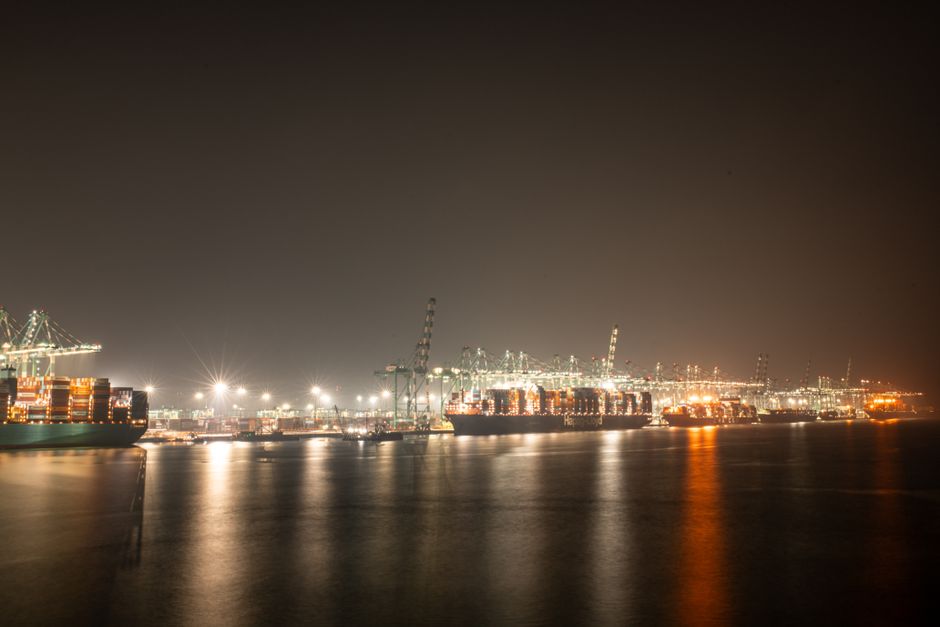
That energy trade has been a key driver of Canada’s headline trade figures: the country’s overall trade surplus hit a 15-month high in April, lifted by soaring crude prices. But the interdependence cuts both ways. Canada’s expanded Trans Mountain pipeline gives producers access to overseas markets via the Pacific coast, but its roughly 890,000 barrels-per-day capacity is dwarfed by the approximately 3.9 million barrels of Canadian crude shipped daily to the US last year, leaving Canadian producers with limited options to redirect supply if energy trade were ever drawn into the dispute.
Financing as a Buffer
For exporters outside the energy sector — particularly those in steel, aluminum, automotive and agri-food industries facing the sharpest tariff pressure — trade finance tools like TIP are intended to provide working capital, longer loan terms, extended coverage for receivables, foreign exchange hedging and adapted customs-related coverage. EDC said the program is designed to “complement facilities” already offered by exporters’ own banks rather than replace them, reflecting an effort to keep credit flowing to businesses navigating both higher costs and diversifying markets amid the trade standoff.
With counter-tariffs set to widen further in September and no resolution to the broader dispute in sight, the scale of financing support extended through programs like TIP is likely to remain a closely watched indicator of how deeply Canadian exporters are being affected — and how much government-backed capital is being deployed to help them adapt.
This article is for informational purposes only and does not constitute financial, investment, or legal advice. Consult a licensed financial advisor before making investment decisions.
This article references reporting from: