Greater Sudbury’s mayor is questioning why his city, home to nine operating mines, two smelters and roughly 3,200 square kilometres of municipal road network, was left off the list of projects highlighted at Prime Minister Mark Carney’s inaugural Canada Investment Summit in Toronto this week.
The summit outlined 167 proposed projects across the country, including mines, ports, LNG facilities and data centres. Mayor Paul Lefebvre says none of Sudbury’s active mining and smelting operations appeared among them, even though he argues the city hosts a mining and processing cluster that does not exist anywhere else in the world within a 50-kilometre radius.
Roads Built For a National Supply Chain
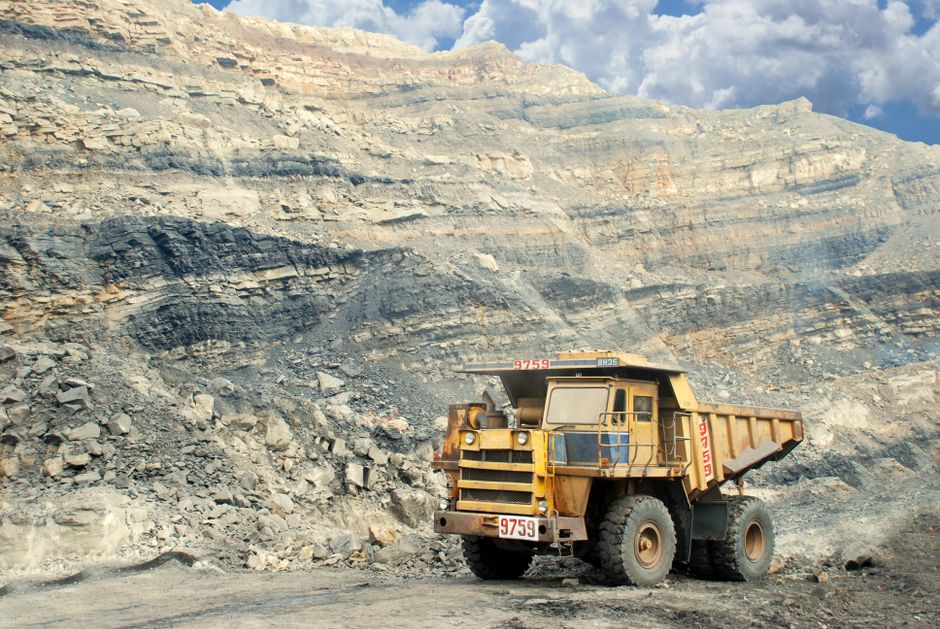
Lefebvre points to the roughly 70 kilometres of municipal pavement that ore trucks travel from Glencore’s Craig Mine, part of the Onaping Depth project, to the smelter. Ontario Premier Doug Ford recently visited the site to mark first access to ore there. According to Lefebvre, Sudbury’s municipal roads effectively function as part of a national industrial supply chain, yet the city bears the cost of maintaining them.
Under Ontario’s mining tax structure, non-remote mines like those in Sudbury pay a 10 per cent tax on profit, compared with five per cent for remote operations. That revenue goes to the provincial government, while corporate income tax collected from mining companies goes to Ottawa. Sudbury’s own revenue from the industry is limited to property tax on assessable mining land and buildings.
Assessment Losses and Capped Provincial Funding
Lefebvre says the city already tried to increase its share of revenue through the property assessment system and lost. Following the last major review by the Municipal Property Assessment Corporation roughly a decade ago, the assessed value of Sudbury’s mining properties was cut by about 47 per cent. The city challenged the decision at the Assessment Review Board and lost the case in 2025.
Ontario does offer a funding program for small, rural and northern municipalities called the Ontario Community Infrastructure Fund, but Lefebvre notes that funding available to any one community under the program is capped at $10 million.
Lefebvre says he is not seeking to penalize mining companies, stating that they already pay required taxes and royalties. Instead, he wants a different split of existing mining-tax revenue directed toward the municipality that hosts the industry. He has also proposed that Greater Sudbury be designated a special economic zone. He notes that Ontario’s special economic zone legislation is a permitting mechanism and does not on its own redirect any tax or royalty revenue — that remains a separate negotiation with the province.
Ownership, Local Companies and Cross-Border Ties
Lefebvre says the reason Sudbury’s major mining and smelting operations were not named among the summit’s project list may be tied to ownership: Vale is based in Brazil with Saudi investment, Glencore is Swiss, and KGHM, which operates the Victoria Mine, is Polish and state-linked. He suggests these companies do not require the kind of investment support the summit is meant to attract.
He instead points to Sudbury-based companies as investment targets, including Magna Mining, a Canadian company restarting older mines with workers who previously operated them, and Frontier Lithium, which is headquartered in Sudbury though its lithium deposit is located in northwestern Ontario and was included in the summit’s project list.
Lefebvre also described Sudbury’s mining sector as closely tied to the United States. He noted that the only operating nickel mine in the U.S. is in Michigan, where ore is milled before the concentrate is shipped to Sudbury for smelting, a relationship he said has existed since before the Second World War, supplying materials used in American armour and aerospace alloys.
Mayor Faces Re-Election Amid Political Divide
Lefebvre, a former two-term Liberal member of Parliament, is seeking re-election as mayor on Oct. 26. Ontario’s government is led by Progressive Conservative Premier Doug Ford, while Sudbury’s provincial ridings are held by two New Democratic Party members. Lefebvre says his approach has been to maintain a working relationship with the province regardless of party lines.
He has also raised the revenue-sharing issue with Indigenous leaders from First Nations located in and around Sudbury, saying they were surprised to learn that neither the province nor mining companies currently provide them direct benefits from the industry’s profits.
This article is for informational purposes only and does not constitute financial, investment, or legal advice. Consult a licensed financial advisor before making investment decisions.
This article references reporting from: