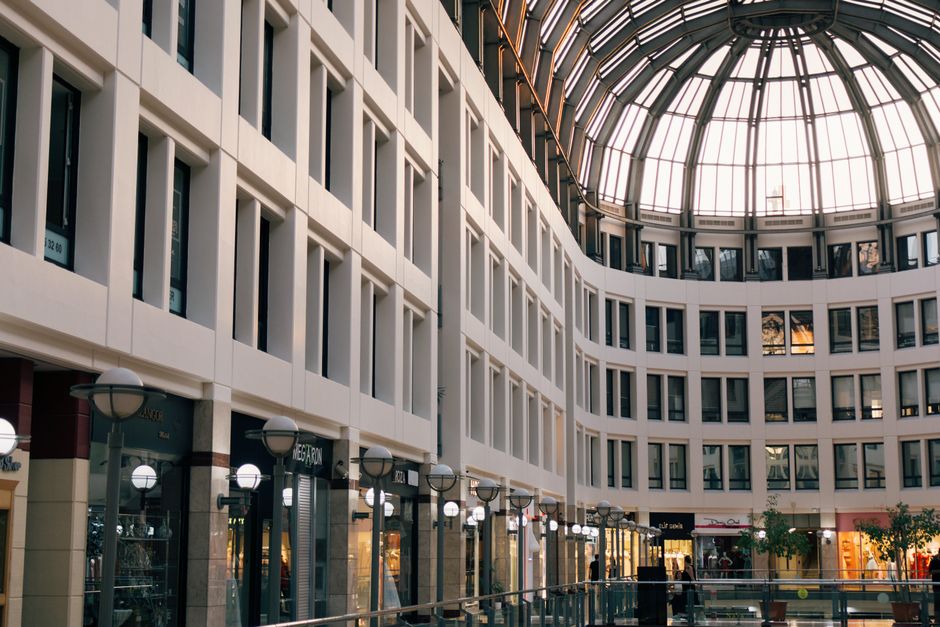
Canadian retail real estate is entering a period of visible consolidation, with institutional investors, mall operators and grocery chains all making significant moves even as shoppers grow more cautious about spending. Recent deals worth hundreds of millions of dollars, a wave of store openings from national and international retailers, and a mixed set of consumer spending signals are together reshaping who owns Canada’s shopping centres and how retail space gets used.
Malls Change Hands as Institutional Capital Rotates
Some of the largest transactions in years are reworking ownership of Canadian shopping centres. Leyad’s purchase of a Loblaw-occupied portfolio has been described by the buyer as the country’s biggest retail real estate deal of the year, according to CoStar. Toronto-based Primaris Real Estate Investment Trust, meanwhile, is raising $200 million specifically to fund mall acquisitions and is pursuing more than $1 billion in deals overall, according to Retail Insider, as institutional owners rebalance their portfolios and, in some cases, exit enclosed shopping centres altogether. Primaris also carries a 4.24% dividend yield, per kalkine.ca, a level analysts have tied to improving retail real estate fundamentals.
Regional deal activity has followed a similar pattern. Westcliff re-entered the Western Canadian market by acquiring the 880,049-square-foot Kingsway Mall in Edmonton, a move Retail Insider linked to the city’s younger, more educated demographic profile. Elsewhere, physical retrofits are underway rather than outright sales: the food court at Promenades St-Bruno is undergoing a $49.5 million redevelopment aimed at bringing dining offerings in line with current consumer preferences.

Retailers Expand Selectively Amid Consumer Pressure
Despite economic uncertainty, several retailers are still committing to physical growth, though often with sharper targeting than in past expansion cycles. Outdoor apparel brand Arc’teryx is aiming to grow its North American store count from 75 to roughly 200 locations, focusing on urban centres and mountain towns. LEGO added three stores in the Greater Toronto Area, a 25% expansion of its footprint in the region. On Toronto’s Bloor Street, new flagship locations from RH and Tiffany & Co., a new Delysées Café, and major repositionings from Holt Renfrew and Harry Rosen are reshaping the corridor’s luxury retail mix.
Grocery banners are expanding as well. Empire Company Limited raised its store-opening target to more than 25 new locations in fiscal 2027 across its Sobeys and FreshCo banners, according to Retail Insider, even as it resists supplier price increases tied to tariffs by leaning on diversified sourcing. Foodservice brands including Jersey Mike’s, Happy Belly Food Group and Jimmy John’s — the latter opening its first Calgary location near the University of Calgary and Alberta Children’s Hospital — are also adding locations, pointing to sustained demand for quick-service retail space.
Value Retail vs Premium Retail Landscape
Consumer behaviour is diverging sharply by category, and that split is filtering into leasing and store-format decisions. Dollarama posted a 17.6% sales increase in its second quarter of fiscal 2027, reaching $2 billion, while maintaining its $5 price ceiling, according to Retail Insider. The North West Company reported same-store sales growth of more than 7% in Canada, aided by First Nations settlement payments that boosted spending power in northern communities.
Recent Canadian Retail Real Estate Figures
At the other end of the market, some previously strong performers are pulling back. Lululemon reported an 11% decline in Canadian sales for its second quarter, citing weak traffic and product relevance issues, and has responded by slowing physical expansion and trimming its product assortment. Kit and Ace has been relocating to smaller but more strategically positioned stores within malls, reflecting what Retail Insider described as more flexible real estate strategies among mid-sized apparel retailers.
Financial Stress Beneath the Surface
Broader economic indicators offer a mixed backdrop for retail real estate. Statistics Canada reported real GDP growth of 0.8% in the second quarter of 2026, driven by household spending and business investment, though tariff risks were flagged as a potential drag on future momentum. At the same time, the economy shed 42,000 jobs in August, with retail employment among the sectors affected, according to Retail Insider’s coverage of labour market data.
Retail Insider also reported that many small and mid-sized Canadian retailers are contending with cash flow pressure driven by late payments and rising debt, even when they remain profitable on paper — a dynamic that could affect tenant stability in some retail properties even as larger players continue to invest. Leadership changes are also underway at some retail chains, including RONA, where Alain Ménard takes over as CEO effective October 1, succeeding J.P. Towner, who moves into an advisory role and board seat.
Taken together, the recent deal activity, expansion announcements and uneven sales results suggest that Canadian retail real estate is being reshaped less by a single trend than by a series of parallel adjustments — landlords repositioning portfolios, grocers and value retailers expanding, and some premium and mid-market chains recalibrating their physical footprints in response to shifting consumer demand.
This article references reporting from: