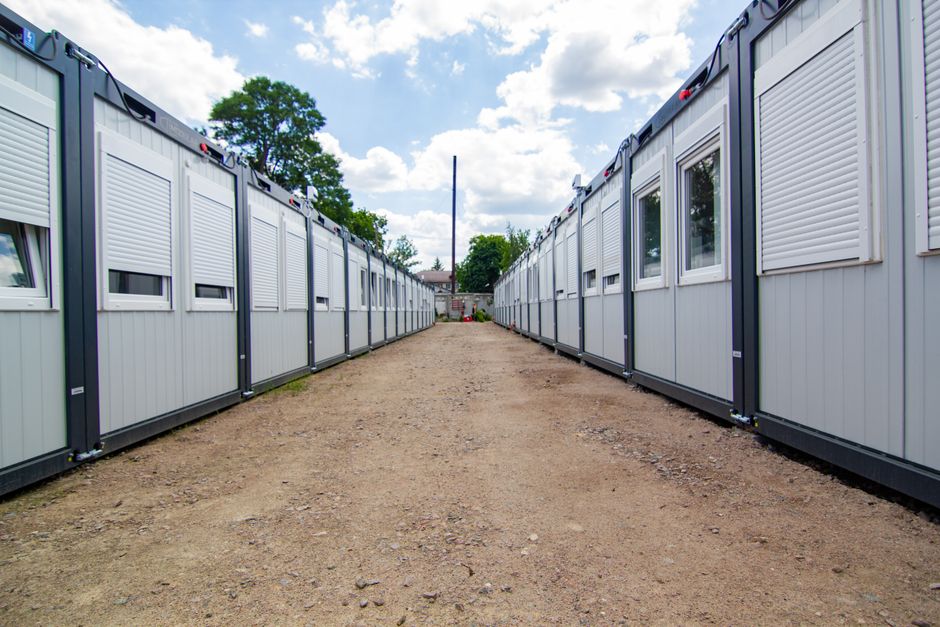
A new survey suggests a growing number of Canadians are willing to consider alternative paths to home ownership, including modular, prefabricated and tiny homes, as affordability pressures continue to weigh on the housing market.
The survey report, released Tuesday by Meridian Credit Union, polled 1,500 Canadian consumers along with a national panel of 250 construction industry owners, operators and executives between May 13 and June 8, 2026, gathering their views on the state of the housing market.
More than three-quarters of consumers, or 77 per cent, said housing attainability is a critical issue for Canada’s future. Nearly two-thirds, or 62 per cent, said they would consider non-traditional housing options such as modular, prefabricated or tiny homes as a way into home ownership.
What Alternative Housing Means for Buyers
Modular or prefabricated homes are built in factories, either as complete units or individual components, before being shipped to customers for relatively quick assembly. This approach is typically less expensive than building a home on-site from the ground up. For buyers, that can translate into a lower purchase price and potentially more affordable mortgage options compared to traditional homes.
The survey found younger respondents were particularly drawn to these alternatives, with 87 per cent of Millennials and 81 per cent of Gen Z respondents reporting ongoing stress related to housing costs.
Jay-Ann Gilfoy, president and CEO of Meridian Credit Union, said in the report that home ownership is no longer a uniform path for Canadians, pointing to co-ownership arrangements, modular housing and rent-to-own models as examples of how people are adjusting their expectations. She said the key challenge going forward is ensuring these options are backed by adequate financing, supply and partnerships to make them practical.
The findings come roughly a year after the federal government announced funding and federal land to support the addition of 540 modular homes at Downsview Park in Toronto. At the time, the government said at least 40 per cent of those units would be classified as affordable, with the development offering studios and one- to three-bedroom homes.
Builders Face Financing and Labour Hurdles
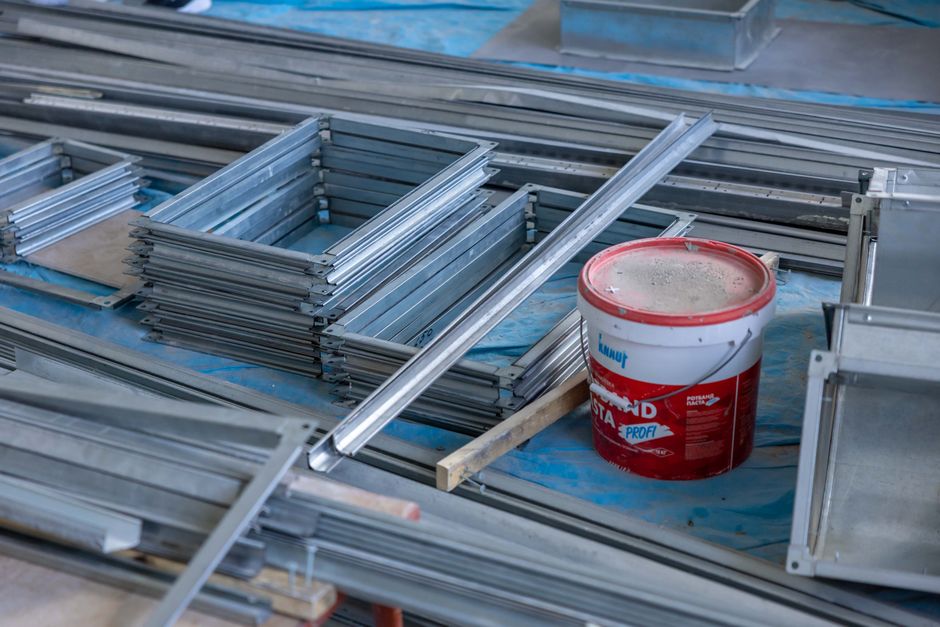
Despite the apparent consumer appetite for alternative housing, the survey indicates the construction industry is struggling to keep pace with demand. Among the construction industry participants surveyed, nearly two-thirds, or 63 per cent, said they are having difficulty securing financing for projects due to rising material costs combined with broader economic uncertainty.
Even in a scenario where financing was readily available and materials were affordable, 78 per cent of construction firms and 94 per cent of enterprise-level employers said a shortage of skilled trades workers would still hold back new projects from moving forward.
Forty-one per cent of builders said the shrinking pool of skilled trades talent has driven up the cost of available labour. When asked which construction roles were hardest to fill, 28 per cent of respondents pointed to construction labourers, while 18 per cent cited carpenters or framers.
Jason Teal, vice president of business banking at Meridian, said in the report that builders are eager to move forward but are contending with a market shaped by rising costs, financing pressures and weaker buyer confidence, all of which make it harder to advance new projects. He said creating more attainable housing will require an environment where development remains economically viable and where prospective homeowners have both the confidence and the financial means to enter the market.
This article references reporting from: