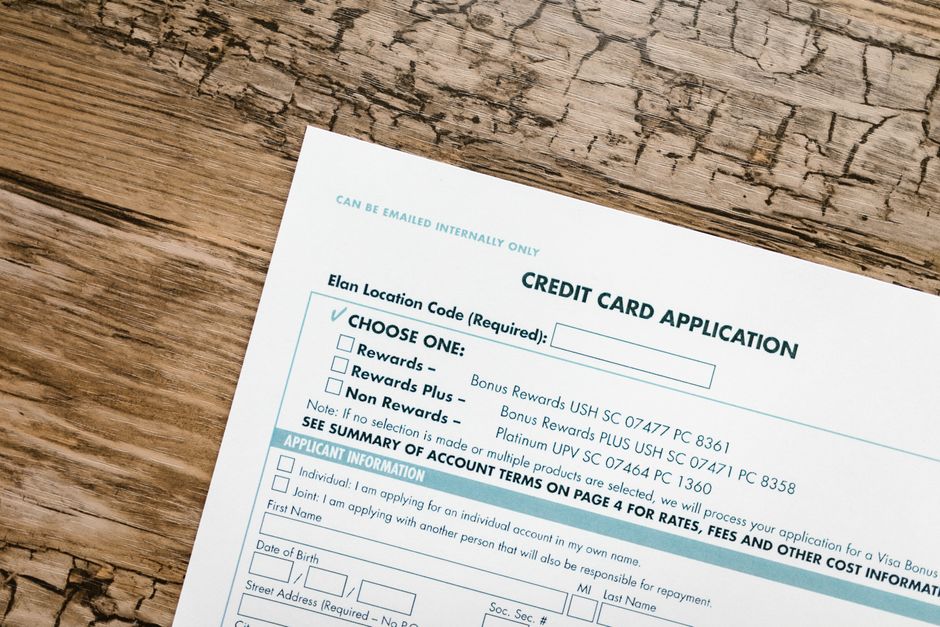
Canadian households and businesses alike are grappling with mounting debt pressures, as new insolvency data and corporate receivership filings point to a credit environment where repayment is becoming harder to sustain for some borrowers.
Statistics Canada data cited by MoneySense shows Canadian households were carrying $3.25 trillion in credit-market debt in the first quarter of 2026. Household debt reached 179.6% of disposable income, meaning Canadians owed about $1.80 for every $1 of disposable income. The household debt-service ratio climbed to 14.75%, meaning households were putting roughly 15 cents of every disposable dollar toward required debt payments.
Ontario’s Insolvency Numbers Stand Out
Those national figures are playing out unevenly across the country, with Ontario emerging as a particular pressure point. According to the Office of the Superintendent of Bankruptcy, Ontario recorded 14,642 consumer insolvencies in the second quarter of 2026, up 10.2% from the same quarter a year earlier — a faster increase than Quebec, Alberta, Manitoba and New Brunswick. Over the 12 months ending in June 2026, the province logged 55,968 consumer insolvencies, an 8.8% increase year over year.
Credit counsellors say the rise isn’t typically driven by a single factor but by several expenses becoming unaffordable at once. “There are often several reasons why a household starts to struggle with debt. Looking at the full financial picture can help explain why someone who has been keeping up with payments may eventually find those payments are no longer affordable,” said Mike Bergeron, a counselling and client services manager at Credit Canada.
Housing costs remain central to the strain. Mortgage holders renewing at higher rates, along with property taxes, insurance, utilities and maintenance, can leave little room for other expenses. Renters, meanwhile, can face steep increases on units first occupied after November 15, 2018, which are generally exempt from Ontario’s rent-increase guideline. When an unexpected expense — a car repair or medical bill — lands on top of an already tight budget, it often ends up on a credit card or line of credit, adding a new payment households must absorb.

Economic Headwinds Compound the Pressure
The debt strain is unfolding against a weaker economic backdrop in Ontario specifically. The province’s manufacturing and automotive sectors have been affected by trade uncertainty and tariffs, and Signal49 Research forecasts Ontario’s economy will grow by just 0.2% in 2026, the lowest among the provinces. TD Economics economist Rishi Sondhi wrote in an August 2026 analysis that “Ontario’s economy is facing some of the stiffest headwinds in the country,” citing weak employment, tariff uncertainty, slow residential construction and a wave of higher mortgage renewals. Sondhi noted some offsetting factors, however: Ontario’s inflation rate was 2.0% in June, below the national rate of 2.6%, and wage growth has outpaced inflation in the province.
Business Borrowers Under Strain Too
Debt stress isn’t confined to households. A string of recent receivership filings shows banks moving to enforce credit agreements — often including business credit-card facilities alongside larger loans — after companies fell behind on payments. Royal Bank of Canada placed Smithers, B.C.-based civil contractor West Horizon Contracting into receivership in September 2026 after the company exceeded a temporary borrowing limit under a credit agreement that included a $200,000 credit-card facility, missed payments and failed to secure refinancing through National Bank of Canada. RBC alleged the company owed approximately $3.9 million, while the receiver’s statutory notice listed roughly $10.7 million in total estimated creditor claims.
Similarly, Ontario jewellery retailer Graziella Fine Jewellery was placed into receivership in September 2026 after failing for more than a year to repay over $527,000 owed under demand credit facilities that included business credit-card availability of up to $150,000, alongside a revolving line of credit. And National Bank of Canada sought receivership over product-testing firm Labtest Certification and related companies, which together owed approximately $17.6 million, after facilities that included credit-card components went into default amid missed payments, tax arrears and what the bank described as unreliable financial reporting.
Snapshot of Canadian Household and Corporate Debt Pressures
Looking for Support
Amid these pressures, some Canadians are turning to credit unions for financial guidance rather than larger banks. Laura Keller, a communications specialist at Kindred Credit Union in Kitchener, Ont., said young people in particular face a “real cost-of-living challenge,” often graduating with debt while trying to afford housing. Credit unions have responded with financial literacy initiatives — including the Each One, Teach One program run by the Canadian Credit Union Association — aimed at helping younger members build budgeting and savings habits before debt problems take hold. Tracy Fortino of Tru Cooperative Bank in Langley, B.C., pointed to research showing 64% of Canadians say they received no financial education in school, and 84% say earlier financial education would have eased money-management stress.
Together, the data paint a picture of a credit environment where elevated debt loads, higher borrowing costs and slower economic growth in some regions are testing both household budgets and business balance sheets, even as support programs aim to help some borrowers avoid the same fate.
This article is for informational purposes only and does not constitute financial, investment, or legal advice. Consult a licensed financial advisor before making investment decisions.
This article references reporting from: