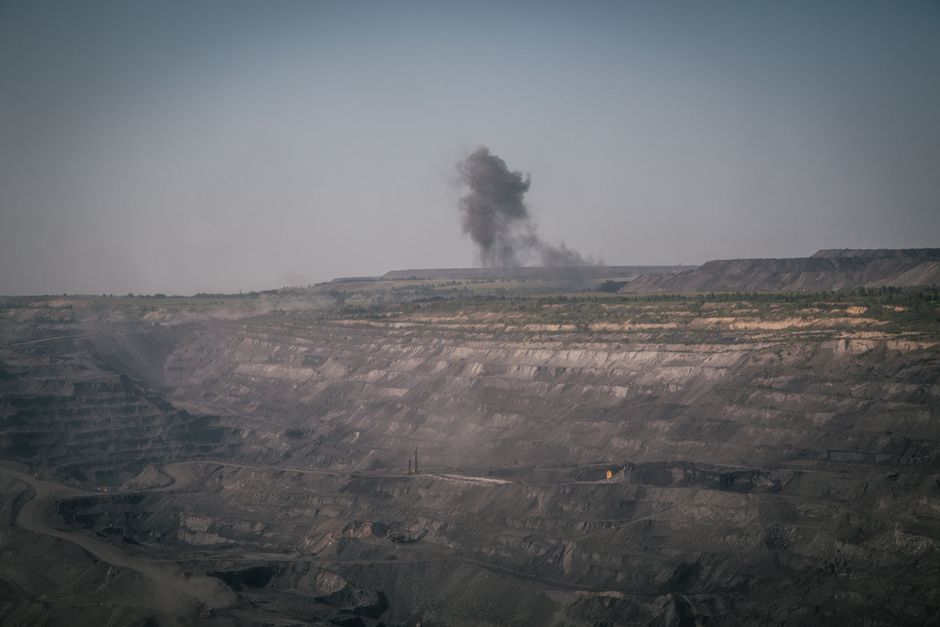
Diavik diamond mine’s closure remains on track, with major reclamation work expected to be finished by the end of 2028 and the company planning to leave the site by 2030, mine managers told a Yellowknife town hall on Thursday evening.
General manager Gord Stephenson said the company is “quite happy to be on track and on schedule” with its closure timeline. The update came after commercial diamond production ended in March, closing out nearly 23 years of operation.
Filling the Pits and Demolition Progress
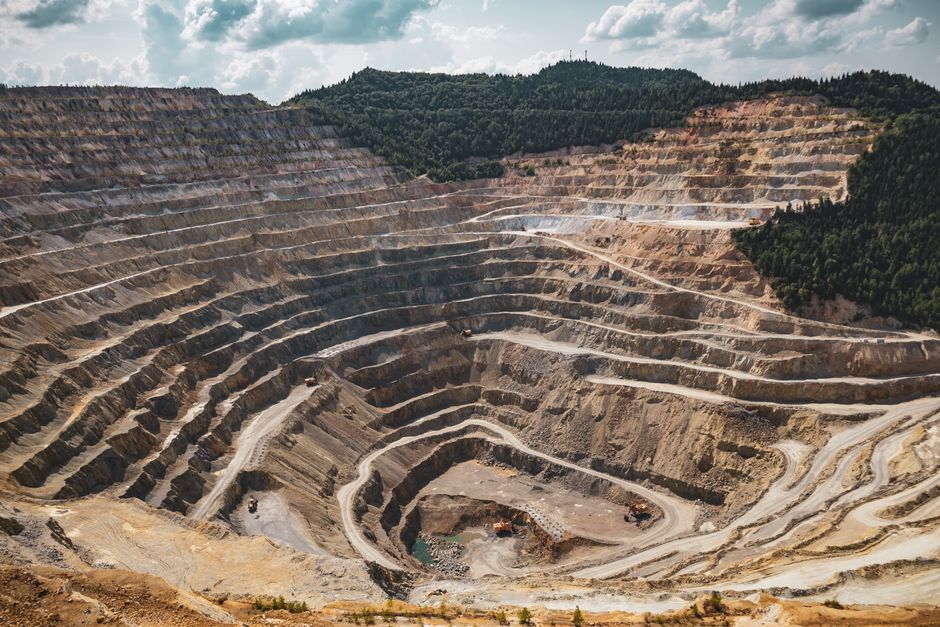
One of the largest projects under way is the filling of three open pits with water from Lac de Gras. Diavik began the process in July using nine siphons to move lake water into the former mining areas. Closure manager Sean Sinclair said the work is about 50 percent complete, with the pits expected to be full this winter. Once filled, the water will be tested against environmental and cultural-use criteria before the pits are reconnected to the lake. The company expects to begin breaching the dikes separating the pits from Lac de Gras next summer, provided the water meets required standards.
Demolition work is also under way, with several major buildings already removed, including the mine’s crusher and backfill plants and a powerhouse. Stephenson said demolition began a year earlier than originally planned, putting that part of the project slightly ahead of schedule. Most reclamation work is expected to wrap up by the end of 2028, with final cleanup continuing into 2029. Diavik expects to leave the site by 2030, though environmental monitoring could continue in some areas until 2050.
Shrinking Workforce and Rio Tinto’s Future Presence
The closure is bringing significant change to employment in the Northwest Territories. During operations, Diavik employed between 1,100 and 1,200 people; that figure has fallen to around 400, with 150 to 200 workers on site at any given time.
“We do have pretty steady employment in the closure context through 2028 and then, after that, it will drop significantly as the works are wrapped up,” Stephenson said.
Asked whether owner Rio Tinto plans a long-term presence in Yellowknife, Stephenson said the closure team is locally managed and the company will continue overseeing the site after active reclamation ends, with monitoring continuing through eventual relinquishment. He did not specify how many Yellowknife-based positions would remain over the longer term. Stephenson acknowledged the closure will carry economic consequences for the territory but said the company continues to prioritize northern hiring and spending during the reclamation period.
Diavik Mine Closure by the Numbers
Environmental Oversight Questions
Questions remain about environmental oversight as Diavik moves toward long-term monitoring. Earlier this year, the NWT’s environment minister approved winding down Diavik’s independent Environmental Monitoring Advisory Board, known as Emab, by March 31, 2027. Sinclair said that does not mean regulation of the site will stop, pointing to continued oversight by the Wek’èezhìı Land and Water Board and a traditional knowledge monitoring program involving Indigenous partners that began this year.
Diavik also gave an update on its Frame Lake aerator project, meant to improve fish habitat conditions in the Yellowknife lake. The company had earlier delayed plans to reintroduce fish to Frame Lake while reviewing monitoring data. Sinclair said the aerator will run through a third winter, with some improvement in performance being observed, though fish reintroduction remains on hold with another update expected next year.
Former Diavik employee Tom Hoefer, who worked at the mine for about 11 years, said he was glad to see the company following through on commitments made in 1998, calling the closure process “textbook.” Yellowknife city manager Stephen Van Dine also attended, saying Diavik had played an important role in the community and had outlined a comprehensive cleanup and monitoring plan. During the event, Diavik presented one of its last rough diamonds to the Yellowknife Historical Society, and Sinclair said he hopes the closure will serve as an example for other mining operations once the active phase wraps up.
This article references reporting from: