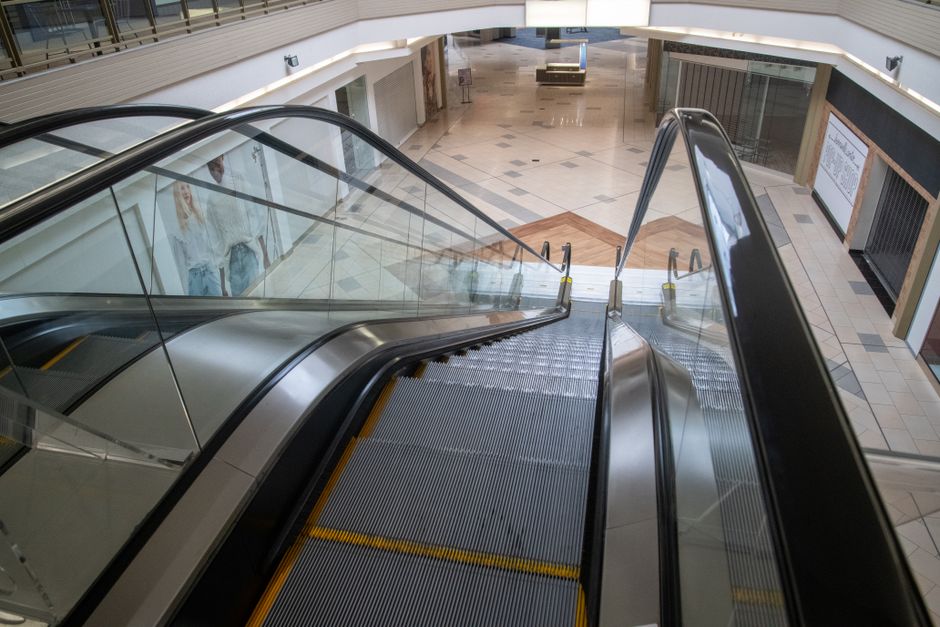
Canada’s retail real estate market is bracing for a prolonged period of soft rent growth and elevated vacancy as landlords and tenants continue to work through the fallout from the closure of Hudson’s Bay stores, according to a new forecast from commercial real estate data firm CoStar Group.
The company projects the national retail vacancy rate will hold near 2.5 per cent over the next year, little changed from where it has sat since the Bay’s closures rippled through the sector in 2025. Before those closures, overall retail vacancy stood at 1.8 per cent. The impact was far more severe at shopping malls specifically, where vacancy jumped from three per cent to eight per cent in the second quarter of 2025 alone.
The Scale of the Bay Fallout
CoStar’s chief economist for Canada, Mario Lefebvre, said the headline vacancy figures understate the disruption caused by the closures. Net absorption — the difference between space leased and space vacated — was negative nearly five million square feet in the quarter the closures hit, a figure Lefebvre described as the more telling measure of the shock to the system.
“This is the important number, as the rise in overall retail sector vacancy does not pay justice to the impact that these closures are having,” Lefebvre said. He added that mall vacancy is expected to still be sitting around seven per cent three years from now, underscoring how long it could take enclosed malls in particular to recover the space left behind.
Canada's Retail Market by the Numbers
Rent Growth Losing Steam
The slower absorption of vacant space is also weighing on what landlords can charge. Rent growth across Canada’s retail sector was running at about four per cent in the first quarter of 2025, before the Bay closures began. By the second quarter of 2026, that pace had slowed to just above two per cent. CoStar expects rent growth to keep decelerating, bottoming out around zero per cent by the second quarter of 2027, before climbing back to roughly three per cent by the end of 2028 as absorption strengthens.
“Notwithstanding a relatively tight market overall, we expect rent growth to continue decelerating over the next four quarters,” Lefebvre said. He noted that even with soft rent growth ahead, retailers negotiating leases — particularly in shopping malls where landlords have less leverage — should not assume they can extract steep long-term concessions given the overall vacancy rate remains comparatively tight at 2.5 per cent.
Construction Pipeline Stays Thin
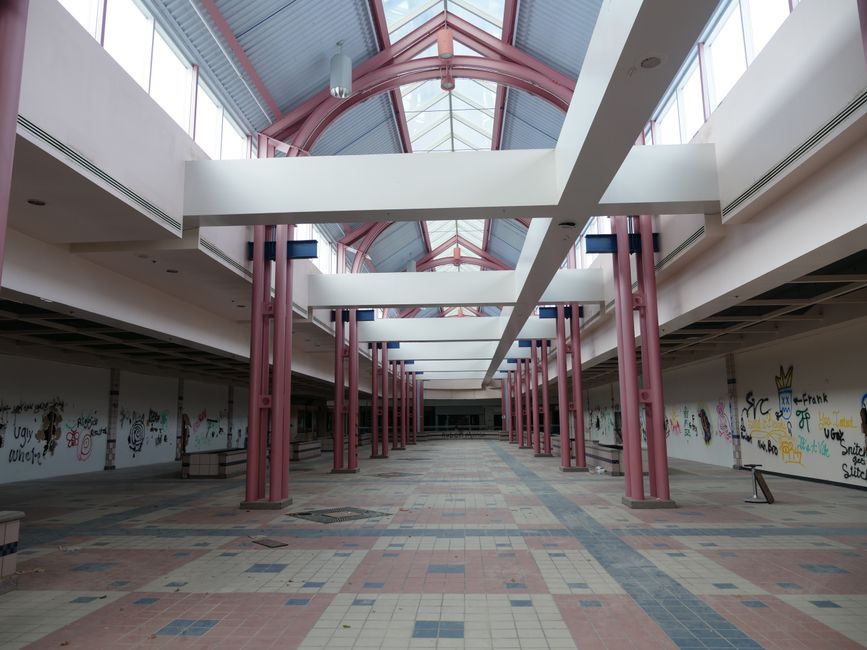
One factor CoStar says is helping keep the market from deteriorating further is a subdued construction pipeline. Retail construction starts have remained below one million square feet per quarter since the third quarter of 2025, and roughly five million square feet of retail space was under construction as of the second quarter of 2026 — the lowest level of retail construction activity since the pandemic.
Lefebvre said this limited pipeline is not expected to become a problem given how much space the Bay closures freed up. “The roughly five million square feet of space vacated by the closures of The Bay stores means that there is space available, particularly in shopping malls,” he said. “Therefore, CoStar does not believe that limited development pipeline will be an issue down the road. Indeed, it is the limited development pipeline that will help restore equilibrium in the sector over the coming years.”
Risks Tilted to the Downside
Lefebvre cautioned that broader economic pressures could push the timeline for recovery out further. “The balance of risks in this forecast remains tilted to the downside,” he said, pointing to trade and tariff uncertainty between Canada and the United States, higher fuel costs, and a declining population as factors that could weigh on consumer demand and delay the retail sector’s rebound.
He said ongoing tariff disputes are likely to push up prices for a wide range of goods and services, compounding pressure from higher fuel costs and a shrinking pool of consumers. In that environment, Lefebvre said necessity-driven retail formats such as grocery-anchored centres are likely to hold up better than discretionary-focused properties like enclosed malls, since consumers tend to cut discretionary spending before essentials such as food and medicine.
Despite the near-term softness, CoStar’s longer-range outlook points to improvement. The firm expects demand for retail space in Canada to strengthen over time as consumer spending grows and developers continue to bring limited new supply to market, setting up what Lefebvre described as a more pronounced recovery in absorption and rent growth by the end of the forecast period in 2028.
This article references reporting from: