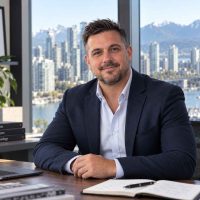
Toronto mayoral candidate Brad Bradford is pitching a one-year freeze on property taxes if elected, a proposal that incumbent Mayor Olivia Chow says could force cuts to city services.
Bradford unveiled the plan at a Toronto Region Board of Trade debate before elaborating on it Wednesday, saying the freeze would apply to every home and business in the city to provide what he called immediate affordability relief. He is also pledging to keep property tax increases below inflation for three years following the freeze.
How Bradford Says He’d Pay For It
Bradford argues the freeze would not require cuts to frontline services because it could be funded through what he calls “recurring room” in the city budget — money left over when the city spends less than it collects through tax-funded revenue. He pointed to 2025 figures showing the city budgeted about $5.6 billion for the portion of its budget funded by property taxes but spent roughly $5.5 billion, calling attention to a similar gap of about $130 million in 2024.
Bradford is also calling for an independent, line-by-line review of every city division, agency and program, saying the last such external review took place in 2011 under former mayor Rob Ford, who commissioned KPMG to carry out a core services review. He criticized Chow’s record on property taxes, citing increases of 9.5 per cent in 2024, 6.9 per cent in 2025 and 2.2 per cent this year, describing the 2024 increase as the largest tax hike in the city’s history. He also noted that Chow had promised a modest increase in 2023 before the 9.5 per cent hike followed.
Chow Defends Her Approach
Chow, speaking separately to reporters, warned that a tax freeze risks reversing gains made under her leadership, when she says residents have seen improved services alongside tax increases. She said a freeze could mean returning to what she called “the bad old days,” when libraries, fire stations and long-term care homes faced closure.
Chow also rejected Bradford’s call for a new independent review, saying the city already conducts a line-by-line budget review every year. She said that process identified about $700 million in savings in the 2026 budget, which she credited with allowing the city to lower the property tax increase.
Her own affordability platform includes keeping property tax increases at or around the rate of inflation while asking what she describes as luxury property owners and speculators to contribute more. She has also proposed lower TTC costs, expanded school meal programs, longer library hours and stronger protections for renters.
Renters And Other Candidates Weigh In
Bradford pushed back on the idea that property taxes only affect homeowners, arguing that renters in Toronto also bear the cost of property taxes indirectly through their rent.
Another mayoral candidate, Chris Alexander, has proposed a similar approach, promising no property tax increase in his first year followed by increases below inflation in his second year. Alexander has said property taxes have been rising quickly while housing construction and city services have lagged.
This article references reporting from: