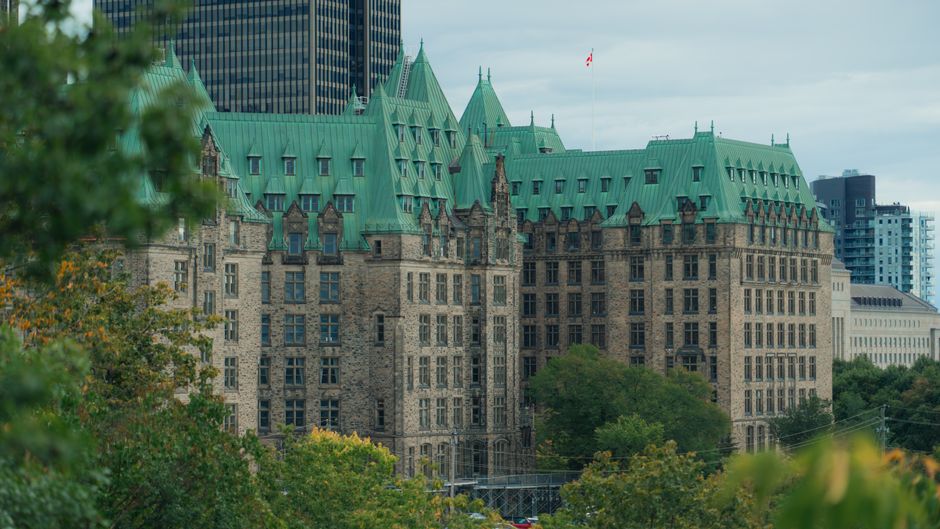

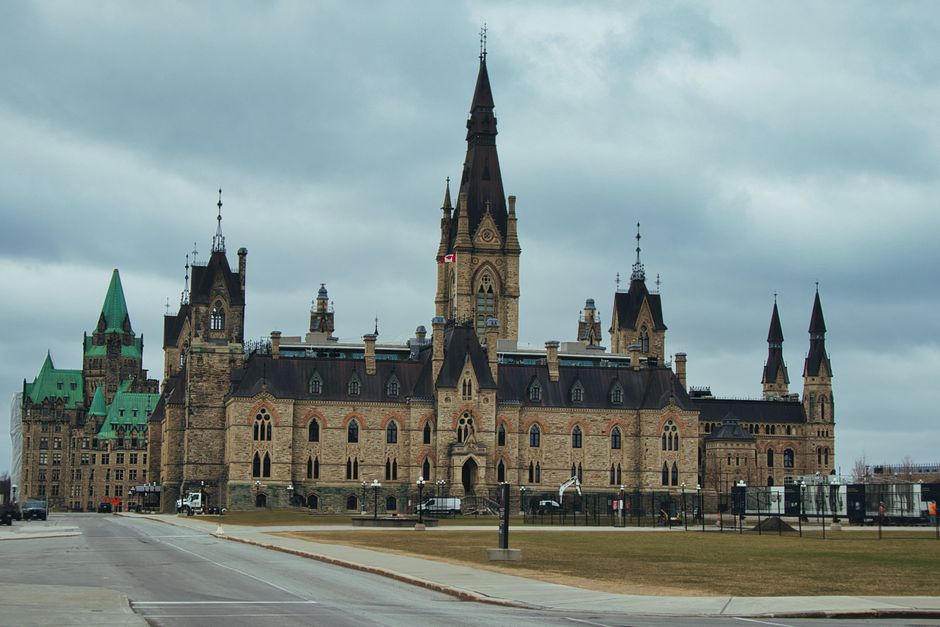
More than a thousand demonstrators gathered on Parliament Hill Saturday to call on the federal government to resist what they described as growing privatization in Canada’s public health care system, with particular concern focused on a new policy in Alberta.
Among those who travelled to Ottawa was Dr. Dannica Switzer, a family doctor from Wawa, Ontario, who made the journey with her family after a drive of more than two hours to the nearest airport and two connecting flights. Switzer said she came because she believes public health care is worth saving, citing existing shortages of doctors and nurses in her region that she said privatization would worsen.
Demonstrators who travelled from Ontario and Quebec pointed to trends already underway in those provinces, including private clinics in Quebec and doctors leaving the public system, and the expansion in Ontario of private clinics delivering publicly funded procedures such as MRIs, CT scans, cataract surgeries, knee replacements and hip replacements.
Alberta’s Dual Practice Model
The most immediate concern raised at the rally involved Alberta, where the provincial government passed legislation formerly known as Bill 11 late last year. The amendment introduced what is called a dual practice model, under which doctors who work a minimum number of hours in the public system are permitted to begin charging patients directly for care outside that system.
Supporters of the model say it helps optimize the health care system to meet patient needs and can reduce wait times for medical tests and procedures. Demonstrators in Ottawa, however, argued the policy marks the start of a two-tier health care system in Canada that echoes the structure of the United States health care system.
Natalie Mehra, executive director of the Ontario Health Coalition, said Alberta is introducing private health insurance and private payment for care, and allowing private clinics to sell faster access to those who can pay while others face longer waits or added pressure to pay themselves. Jason MacLean, who chairs the Canadian Health Coalition, said Alberta’s approach is unprecedented in allowing doctors to operate simultaneously in both the private and public systems, which he said conflicts with the single-payer system set out in the Canada Health Act.
Under the Canada Health Act, medical services are intended to be public, available to Canadian residents, and accessible regardless of income without discrimination. Demonstrators argued the situation in Alberta violates those principles.
Calls for Federal Action
Mehra said she believes there is a mistaken belief within the federal government that there is time to address the issue, arguing that once Alberta brings in American private health care companies, the process would be difficult to reverse. She said action is needed now to protect public Medicare before private health insurance becomes established.
The federal health minister has expressed concern about Alberta’s dual model, according to the demonstrators, though they said they are seeking more immediate action from the prime minister. Former NDP Member of Parliament Charlie Angus, who attended the rally after encouraging his network to participate, said he recognizes the prime minister is managing many issues internationally, but said he has an obligation to address health care domestically, calling it a fundamental Canadian value.
Switzer, reflecting on her own experience as a part-time family doctor in Wawa, said her region already faces significant health care shortages, and warned that private clinics could draw further from a limited pool of health care workers, worsening existing inequities.
This article references reporting from: