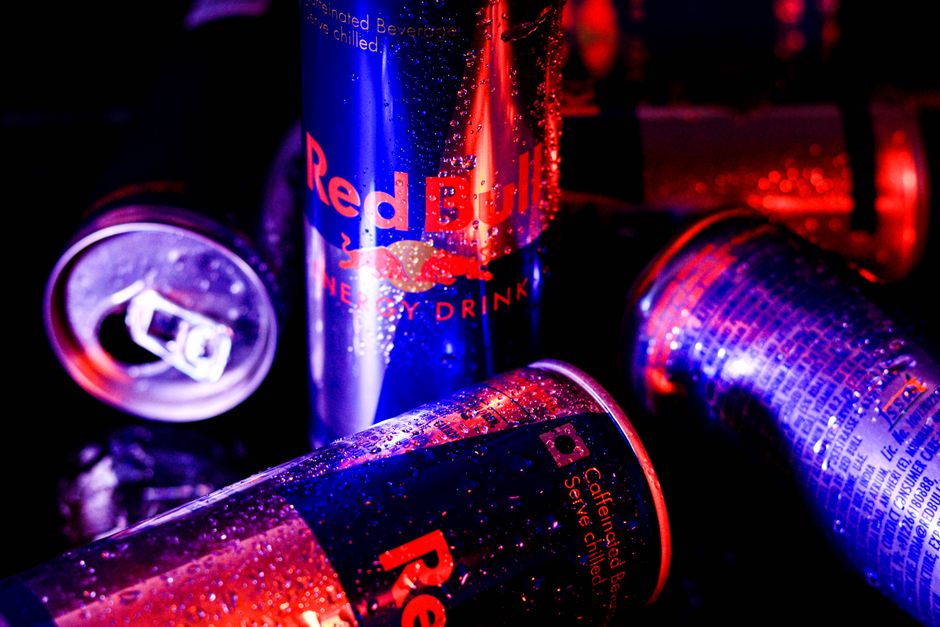

Quebec is moving to become the first jurisdiction in North America to restrict energy drink sales by age, after its National Assembly passed Bill 9, the Act to prevent the harmful effects of energy drinks on the health of young people, on June 11, 2026. The law is scheduled to come into force on December 11, 2026.
Under the legislation, an energy drink is defined as a beverage containing at least 150 milligrams of caffeine per litre along with ingredients such as taurine, vitamins or minerals, with coffee and tea excluded from the definition. The law bars anyone from selling an energy drink to a person under 16, or to an adult purchasing one on behalf of a minor. People under 16 are also barred from buying the drinks or misrepresenting their age to do so.
How the Law Will Be Enforced
Sellers will be permitted to demand government-issued photo identification and must refuse a sale if a buyer’s age cannot be confirmed. The law also requires that sales take place in person, which in effect rules out online sales and vending machine distribution of the drinks. Merchants who violate the law face fines of up to $25,000.
The legislation has become informally known as the Zachary Miron Act, named for a 15-year-old who died in January 2024 during a school skiing trip after consuming a can of Red Bull in combination with ADHD medication. His parents, Veronica Martinez and David Miron, campaigned for the restrictions, and their efforts contributed to the law’s passage.

Debate Spreading Beyond Quebec
A family physician has recommended that Ontario adopt a similar restriction for minors, a sign that discussion of such a ban is extending beyond Quebec. Ontario currently has no comparable restriction in place.
Public reaction to the law has been mixed. Some commenters, including several who say they consume energy drinks while on ADHD medication, have expressed skepticism about the ban, questioning whether it is necessary. Others have voiced support for restricting sales to minors, framing it as a matter of protecting children. The broader debate, as reflected in public commentary, centers on where to draw the line between protecting young people and limiting what adults are allowed to consume or provide to their children.
With Quebec’s law set to take effect within months, the question of whether other provinces, including Ontario, will consider similar restrictions remains open.
This article references reporting from: