Institutional investors should take a closer look at Asian markets as the global order shifts toward a multipolar system, according to Daniel Araya, speaking at the Canadian Investment Review’s 2026 Alternative Investment Conference.
Araya, a professor of artificial intelligence and learning at East China Normal University, senior partner at the World Legal Summit and senior fellow at the Centre for International Governance Innovation, told conference attendees that the global order in place since the end of the Cold War has ended, with a fragmented system emerging in its place. He described himself as an advocate of “multipolarity,” saying the concept helps explain the scale of change currently underway.
Araya pointed to friction in the Middle East as a structural change that will push more trade overland, building on infrastructure China has developed for decades through its Belt and Road Initiative. He said the centre of economic gravity is shifting toward Asia, where China and India are the dominant economies, and that future trade will increasingly move through the Arctic and a “middle corridor” running through Central Asia rather than solely by sea.
Three Forces Shaping the New Order
According to Araya, multipolarity is being driven by three forces: geopolitical rivalry between the United States and China, regionalization occurring around the world, and connectivity through pipelines, rail, telecommunications and data centres.
He described three centres of gravity in this emerging system: the United States, a services-driven economy focused on digital ecosystems; China, focused on manufacturing; and regional governance structures. Araya said the U.S. has close to $1 trillion in exports, with two-thirds of its services now digital, while China continues to prioritize manufacturing and the infrastructure needed to support it. He said the two countries are both superpowers but operate from fundamentally different economic bases, arguing it is unlikely the U.S. would compete directly with China in manufacturing.
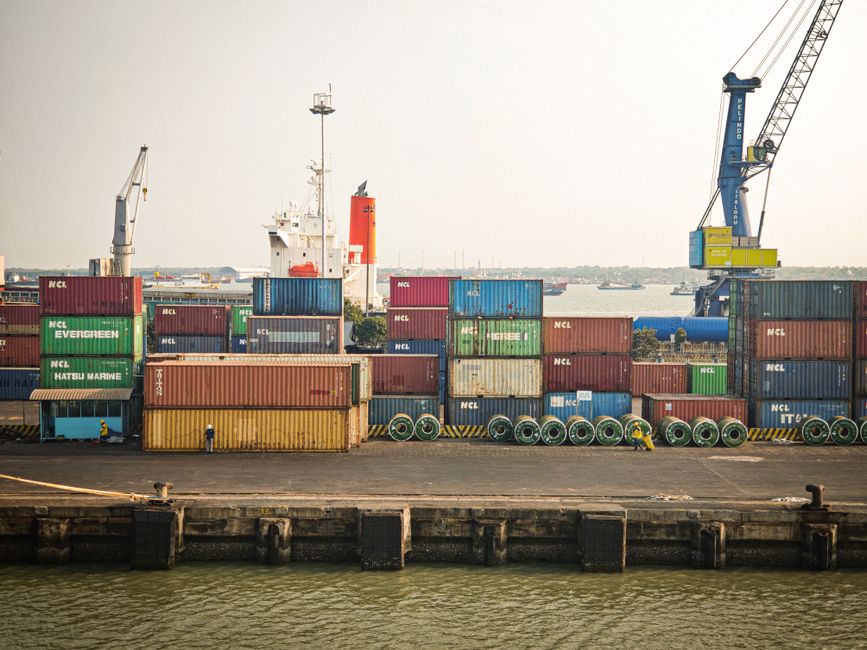
Araya traced China’s economic evolution from a manufacturing base for Western textiles, toys and assembled goods, through heavy industry such as steel and shipping, to its current production of electric vehicles, batteries, solar technology and robotics, as well as advanced chips, jet engines and pharmaceuticals. He said China has also built its own multinational companies and is extending its Belt and Road initiatives into other regions, including Southeast Asia.
Where Araya Sees Growth
While the United States leads in digital services such as gaming, streaming, media, fashion and health care, Araya said the strongest growth markets lie abroad, suggesting that institutional investors seeking long-term returns would need expertise in those regions. He noted China’s manufacturing sector is approaching maturity but said a third of its population has yet to enter the middle class, indicating further room for development. He said China’s ports underpin its globalization strategy, with trade routes aimed at reaching Europe as well as emerging markets, and identified the Arctic and the corridor through Kazakhstan as the most significant routes going forward.
Araya said institutional investors should focus on Asia over the long term, citing innovation and the new global trading system China is constructing. He referenced the Maple Eight, Canada’s large pension investment managers, noting their presence in this space has been strong but has shrunk over the past five years, and said it was worth taking a closer look at the opportunity.
This article is for informational purposes only and does not constitute financial, investment, or legal advice. Consult a licensed financial advisor before making investment decisions.
This article references reporting from: