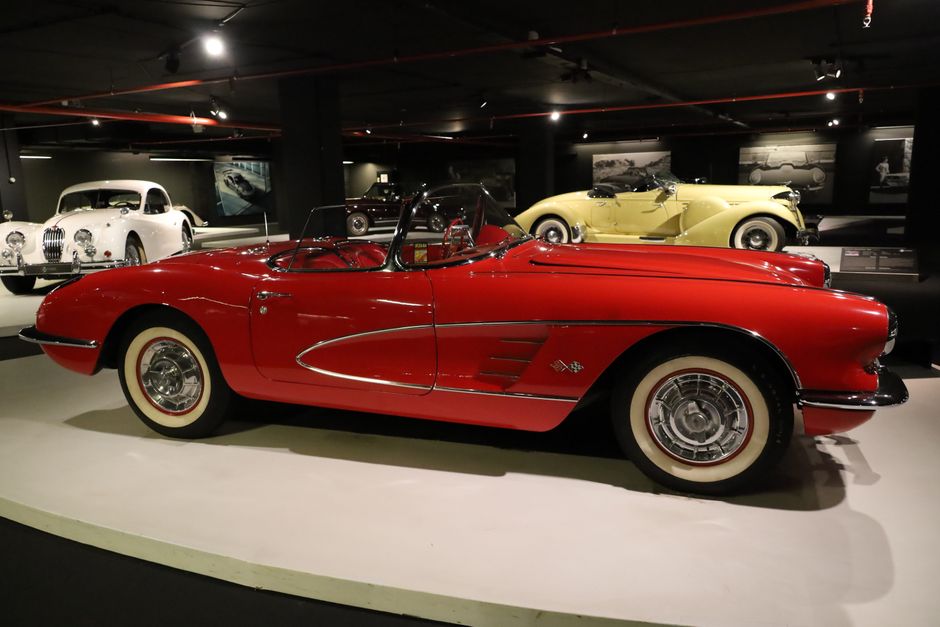
The Canadian Automotive Museum in Oshawa, Ontario, has been hit with $2,750 in bylaw fines after city officers determined the not-for-profit was responsible for “nuisance-related concerns” caused by unsheltered people gathering in its parking lot. Museum staff say many of those individuals end up there after being moved out of a nearby public park by security that the city itself pays for.
The museum, established in 1962, houses more than 100 vehicles, including what it describes as the world’s most significant collection of cars made only in Canada, some of them one-of-a-kind or the last surviving examples of their models. It draws between 15,000 and 20,000 visitors annually and is located in downtown Oshawa, an area with several homeless shelters and outreach centres nearby, as well as a history of encampments in the adjacent Memorial Park.
Museum executive director Alex Miller-Gerrard said the fines, issued seven times under a “Cause, Create or Permit Nuisance” bylaw, followed repeated requests to the city for help that went unanswered. She said the previous executive director and board members raised the issue with the city in 2024 but received no response. Since then, the museum has also experienced vandalism, including three broken windows and the theft of copper from its air-conditioning system, amounting to roughly $15,000 in damages.
City Response and Cancelled Meeting
A city councillor had posted on social media that the fines were being rescinded, an error he attributed to Facebook AI, but Miller-Gerrard said the fines remain outstanding and the museum has filed an appeal. City officials had agreed to meet with the museum on October 9 but cancelled, and no new date has been set, according to Miller-Gerrard. She said she is also seeking a broader meeting involving the city, the region, social services and downtown businesses.
Miller-Gerrard said she contacted Oshawa Mayor Dan Carter directly, and he indicated that the region is responsible for homelessness funding and housing support, directing her request to Durham Regional Police and the city’s bylaw department.

In September 2026, Miller-Gerrard formally requested city partnership on several measures, including perimeter fencing, graffiti-resistant coatings for the building, additional security cameras, increased proactive bylaw enforcement, and expanded downtown security coverage. She noted the city already pays for private security at the park across the street, and asked that coverage be extended to the museum’s parking lot as well.
Financial Pressure on a Nonprofit
As a charity, the museum says it cannot afford round-the-clock security or fencing on its own. Miller-Gerrard said the city suggested applying for grants, but available funding falls far short of covering fencing costs. Compounding the financial strain, the museum has lost 34% of its parking revenue between 2023 and 2025, a period in which Oshawa’s downtown has also seen a number of store and business closures.
Miller-Gerrard said she personally checks the lot when she sees small groups of people there, sometimes going out hourly, though she said a bylaw officer told her she needed to monitor it every 15 minutes. For larger groups or instances of open drug use, staff call police, but she said response times can stretch to hours or produce no response at all. She said the museum made 18 calls to police in September alone, often facing long hold times or dropped calls when using the non-emergency line.
This article references reporting from: