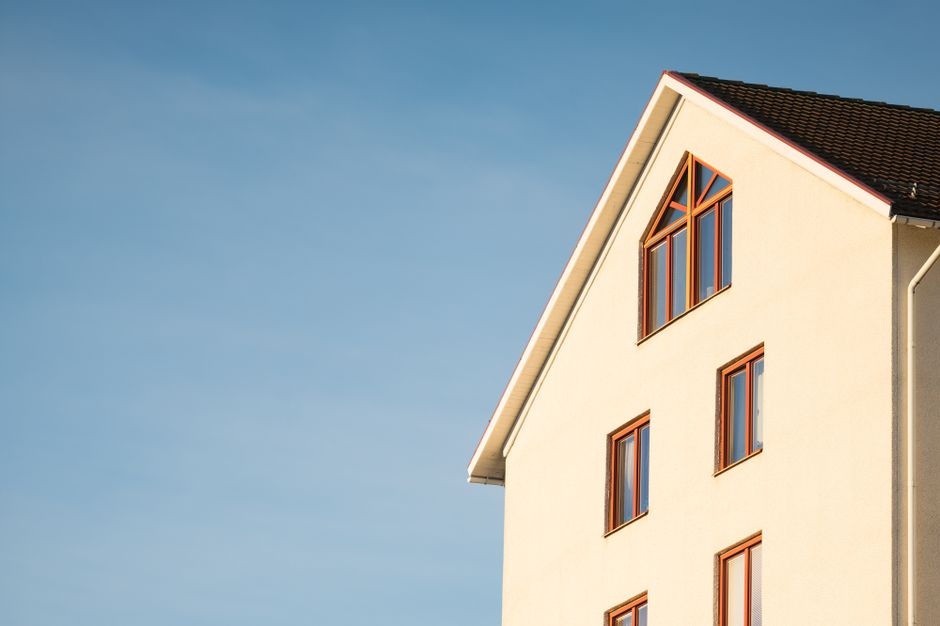
Wyndham House has opened a new supportive and transitional housing facility in Guelph, a project two years in the making that organizers say could help make the city the first mid-sized community in Canada to end youth homelessness.
The building, called Welcome 2 Waterloo and located at 107-109 Waterloo Ave., includes 10 supportive housing units and five transitional housing units for youth aged 16 to 25. The facility offers 24/7 wraparound care and on-site health services. Organizers say the project supports Guelph’s goal of reaching a “functional zero” rate of youth homelessness, a nationally recognized benchmark indicating a community can house new cases of youth homelessness as they arise.
Wyndham House project coordinator Allana Cortese said the facility began as an idea two years ago aimed at expanding the organization’s ability to support youth through a purpose-built home. The supportive housing side spans three floors designed to give youth privacy and independence while maintaining 24/7 staffing. The transitional side includes three apartment units — two two-bedroom units and one one-bedroom unit — that will be prioritized for youth who are pregnant and parenting, or who are leaving situations of intimate partner violence or human trafficking.
Community and Government Support
The project drew support from multiple levels of government and the local community. MP Dominique O’Rourke, who said her first Guelph apartment was located across the street from the new facility, praised the project’s impact. MPP Mike Schreiner credited Guelph’s success in securing government funding for housing projects to collaboration among local partners. David Anderson, vice-chair of the social services committee, also pointed to the cooperative approach taken to address homelessness in the city.
The building was designed by Grinham Architects and built by Frontiers Design Build Inc., with funding from federal, provincial and municipal governments as well as private donors. The Royal City Quilters Guild donated handmade quilts for residents, and interior design students at Bishop Macdonell decorated rooms based on residents’ interests.
Cost and Next Steps
Wyndham House executive director Kristen Cairney said the project was initially expected to cost around $2.5 million but ultimately cost about $3 million, not including the cost of acquiring the property. The bulk of funding came from the federal and provincial governments, while the County of Wellington has committed ongoing rent supplement funding to help keep the units affordable.
Wyndham House purchased the property at the end of 2024, when Cairney said it was in significant disrepair. The organization has since made upgrades to improve energy efficiency, sustainability and functionality, creating 15 housing opportunities for young people.
Residents are expected to move in within the next couple of weeks. According to Cairney, about 14 chronically homeless youth are currently on the city’s by-name list, with six moving to the new site from an existing location at 74 Suffolk St., creating nine new housing spaces overall. Cairney said Wyndham House plans to launch a new phase of its strategy focused on prevention infrastructure, including a foster care initiative set to open in November, as the organization works toward eliminating chronic youth homelessness in Guelph.
Welcome 2 Waterloo Project Figures
This article references reporting from: