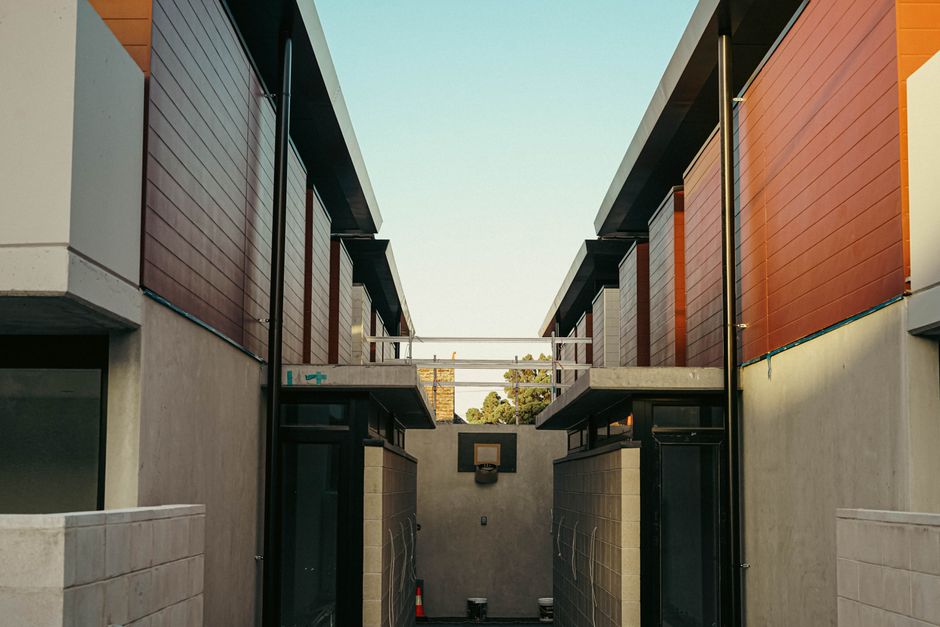
Small-scale infill housing has jumped from a negligible slice of Toronto’s housing starts to a much more significant one over the past two years, according to new analysis from Canada Mortgage and Housing Corporation (CMHC).
The federal housing agency found that smaller infill projects — including accessory dwelling units and buildings with two to eight units — made up 6.45% of Toronto’s total housing starts last year. That is a more than tenfold increase from just 0.62% in 2023, even though the share remains modest in absolute terms.
Growth Seen Across Major Cities
The trend has been even more pronounced elsewhere in the country. In Vancouver, small-scale infill projects accounted for 18.07% of total housing starts last year, up from 13.22% in 2023. Edmonton saw the sharpest increase of the cities examined, with its share rising from 9.95% to 23.28% over the same two-year period. CMHC also described Calgary as showing strong growth in this category of housing.
CMHC noted that uptake has been slower across Ontario overall, which it attributed partly to weaker housing starts in the province in recent years. Still, the agency said Toronto’s small-scale infill starts have continued to increase even amid a broader slowdown in the city’s housing construction.
In a separate analysis published last year, CMHC found that residential-to-residential infill conversions have become the leading form of “missing middle” housing development in Toronto. The agency said limited availability of undeveloped land has made this type of gentle density a necessity, noting that during the first half of 2025, more than four times as many units were initiated through conversions compared with combined single- and semi-detached starts on new foundations. Unlike high-rise construction, which is concentrated downtown, CMHC said infill conversions are occurring across the city.
Zoning Reforms Behind the Shift
CMHC linked the increase in small-scale infill to recent zoning changes. In May 2023, Toronto City Council approved as-of-right permissions allowing multiplexes of up to four units, opening the door to duplexes, triplexes and fourplexes in areas where they had previously been restricted. The city has since expanded these allowances further, with as-of-right permissions for five- and six-unit buildings now extended to nine of the city’s 25 wards.
CMHC said the regional gains reflect a broader national shift in how housing is being delivered. The agency estimates small-scale infill made up around 10% of Canada’s total housing starts last year. While single-detached housing starts have been declining since 2016, the agency said growth in small-scale infill has offset at least part of that decline.
CMHC attributed the reversal, which began around 2023, to a combination of factors, including the launch of the Housing Accelerator Fund alongside municipal and provincial reforms such as Ontario’s Bill 23 and British Columbia’s Bill 44. Together, the agency said, these measures have enabled more small-scale infill housing to be built on lots that historically held only a single home.
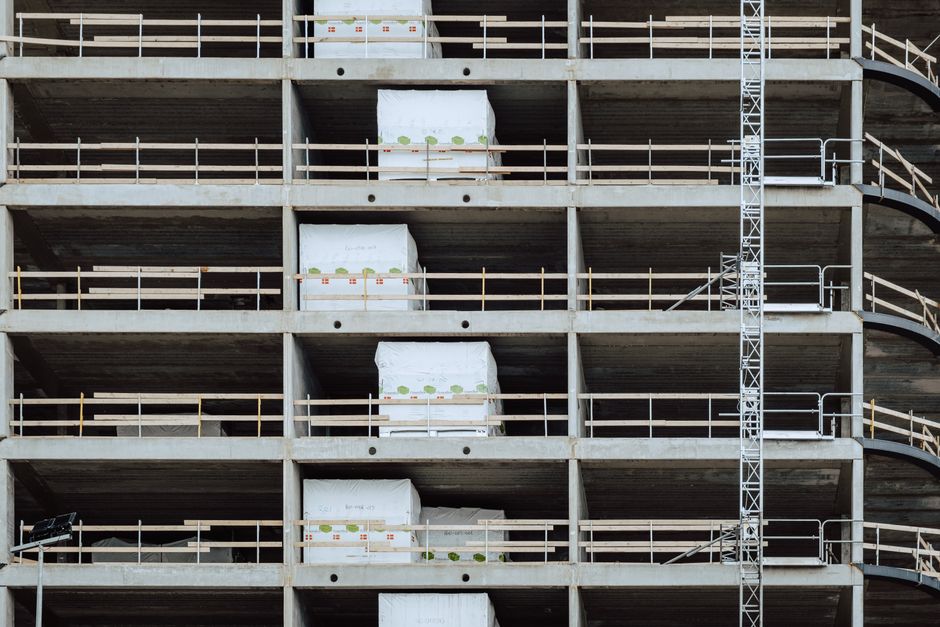
Despite the growth in smaller projects, CMHC noted that larger-scale infill continues to dominate housing development nationally. Infill developments with nine units or more accounted for 63% of national housing starts last year, up from 42% a decade earlier. That growth helped push the overall share of housing starts occurring on previously developed land to 60.17% last year, compared with 54.5% a decade ago.
This article references reporting from: