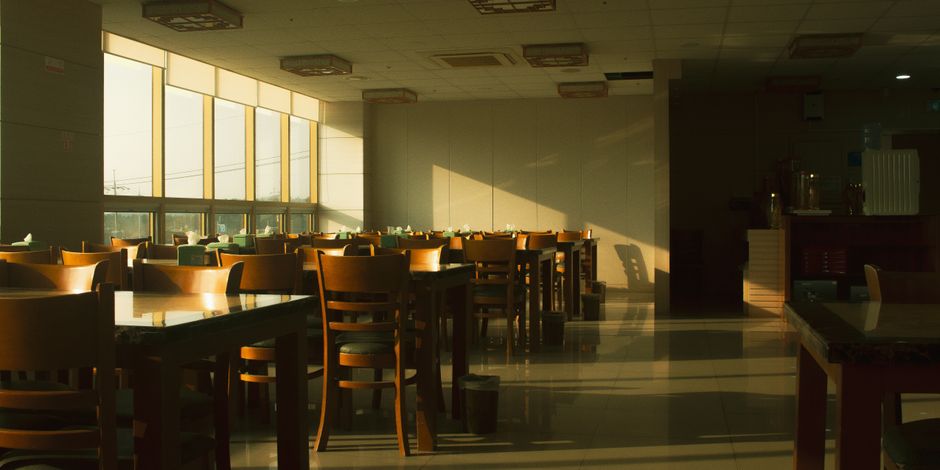

Edmonton restaurateur Paul Shufelt is closing two of his restaurants, a Woodshed Burger location and Hayloft Steak and Fish, both in Cameron Heights, on Dec. 19. Shufelt, who has spent 32 years in the hospitality industry and more than 20 years on the business side, said 2026 has been the hardest year he has experienced in the sector.
The closures were signalled weeks in advance. Sable Realty listed the 637 and 639 Cameron Heights Drive addresses as available for lease 25 weeks ago, and last week the firm posted that both spaces had since been leased.
Shufelt said the core problem is that household budgets are stretched, leading customers to change how they dine out. He said diners are increasingly skipping appetizers and cocktails, sharing entrees and sticking to water rather than ordering extras. He said dining out has become a luxury that competes with mortgage payments, groceries and utility bills, and that when people do go out, they spend less than before.
Full-Service Restaurants Lag Fast Food
Alberta’s economic dashboard shows restaurants took in nearly $9.2 billion in the first eight months of 2026, up 7.8 per cent from the same period in 2025. However, more than half of that total came from limited-service, or fast-food, establishments, meaning the growth was concentrated in counter-service spots rather than full-service restaurants.
An autumn 2026 report from Restaurants Canada found that 80 per cent of Canadians say they are dining out less often because of inflationary pressure on their disposable incomes. The same report found 78 per cent of households earning $100,000 or more said they are visiting restaurants and bars less frequently than before.
Edmonton has seen a number of restaurant closures this year, including Khazana, Zymo, Rhubarb, Greta YEG, PlayWright, Kommune, Bundok, Wilfred’s, the downtown location of KB&CO, The Alley’s Unity Square spot, The Lunchbox Sandwich Shop, the downtown location of Don’ya Ukraine’s Kitchen, The Moth Cafe, Little Bon Bon Ice Cream and Nuestra. Rocky Mountain Ice House held its final night of operation downtown on a recent Sunday.
Delivery Apps No Longer a Safety Net
Shufelt said restaurants can no longer count on take-out orders through third-party delivery services such as Uber Eats and Skip the Dishes to offset declining dine-in traffic. He said delivery orders have been steadily falling, and that delivery companies have been offering incentives to restaurants at a level he has not seen before. Prosus, the multinational that owns Skip the Dishes, reported in November that its takeaway dining business had returned to order growth after 55 months of decline.
Shufelt said he is concerned that Edmonton’s independent dining scene, which he said had been developing strongly before the COVID-19 pandemic, could shrink further as diners gravitate toward familiar chain restaurants during uncertain times rather than trying unfamiliar independent spots.
Despite the closures, Shufelt said he remains optimistic about the industry’s future, describing the current period as a “hard reset” that requires restaurants to rethink pricing with customers’ budgets in mind. He pointed to declining sales of higher-priced spirits like rye as a sign that customers want simpler, less expensive drink and menu options, such as a lower-priced cocktail in place of costlier alternatives, so that patrons can afford to order more during a visit.
This article references reporting from: