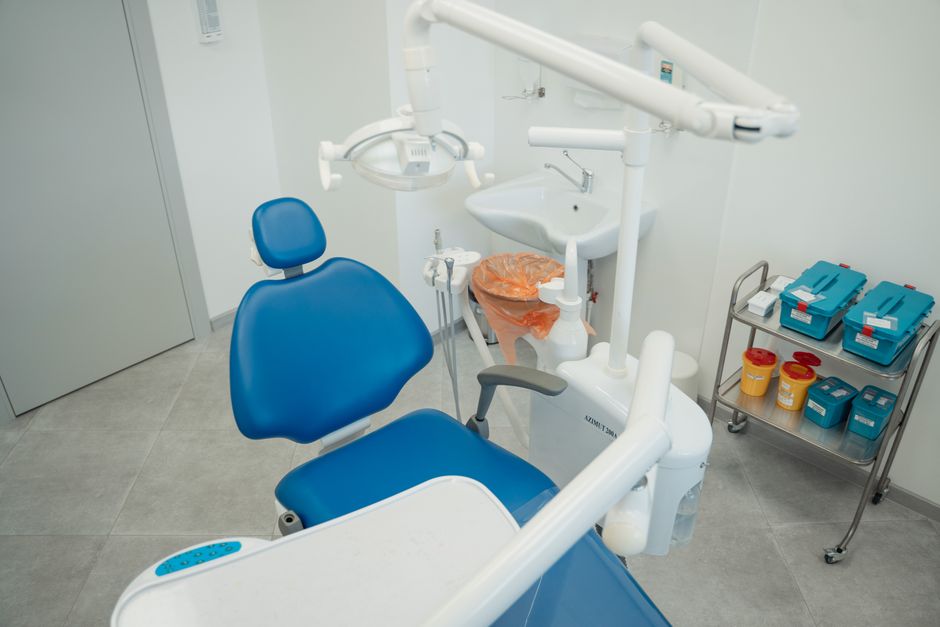
The University of British Columbia has opened a new team-based teaching clinic capable of serving up to 4,450 patients in British Columbia, made possible by a $40 million donation from Matthew and Natalie MacIsaac.
The facility, now named the MacIsaac Health Building, was announced open on Friday and is described as the province’s first clinic of its kind to combine hands-on patient care with health education across multiple disciplines at once. The gift from the MacIsaac family is being called the largest single donation ever made to a Canadian school of nursing.
A New Model for Care and Education
The clinic brings together licensed health professionals and students from nine different health fields, including dietitians, exercise physiologists, family physicians, nurse practitioners, occupational therapists, pharmacists, physiotherapists, registered nurses and social workers. The team-based approach is intended to let students train while working alongside practicing clinicians in real patient settings.
Beyond funding the physical clinic, the MacIsaac gift is also directed toward supporting nursing education, research and clinical learning more broadly at UBC.

UBC President and Vice-Chancellor Dr. Benoit-Antoine Bacon said the university is grateful for the donation, calling it a transformational contribution to the future of health care in the province. He said the building reflects a vision for health education in which professionals from different disciplines learn from each other and apply that knowledge to improve care in communities.
Provincial Support and Future Plans
Alongside the private donation, the MacIsaac Health Building is receiving provincial government support to help cover the clinic’s staffing, daily operations and ongoing program development. According to UBC, the goal is to use the clinic as a test site for care and teaching models that could later be expanded to other clinic settings across British Columbia.
Dr. Julie Tipping, the clinic’s program director and an assistant professor of teaching in the MacIsaac School of Nursing, said many patients live with complex conditions that go beyond what any single health discipline can address on its own. She said that by working together in a real clinical environment, students learn the boundaries of their own expertise, where colleagues’ expertise begins, and how patient care improves when multiple perspectives are combined.
The clinic is now accepting patients as part of its dual mandate to deliver care while training the next generation of health professionals in British Columbia.
This article references reporting from: