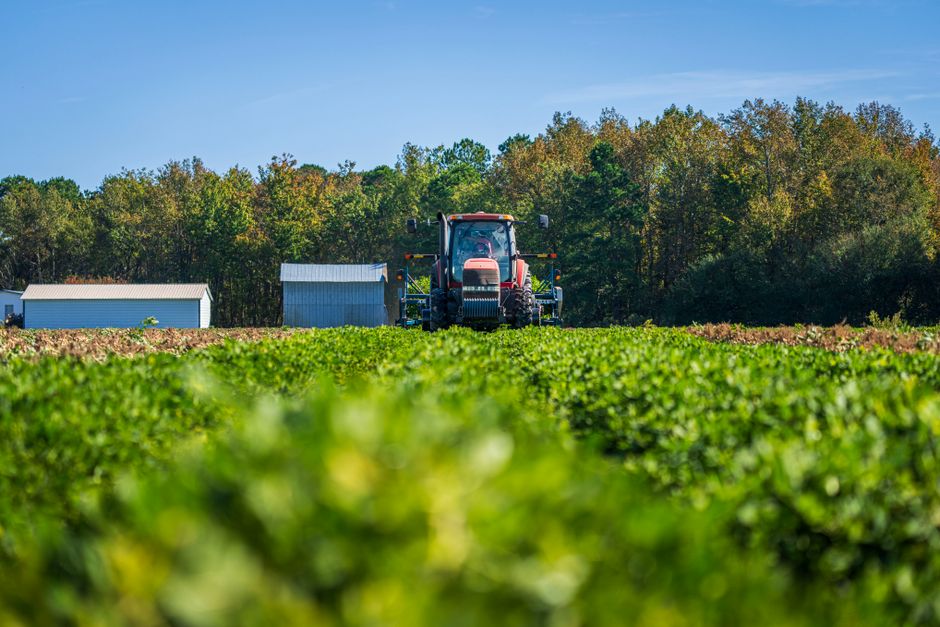
Saskatchewan farmers are contending with a difficult combination of weather setbacks and rising input costs this year, with diesel prices emerging as the latest financial pressure point, according to Bill Prybylski, president of the Agricultural Producers Association of Saskatchewan.
Speaking on The Evan Bray Show, Prybylski said producers have already dealt with waterlogged fields, high temperatures, hail and rain this season, and are now facing higher fuel costs on top of it. He noted that rising diesel prices are adding roughly $20 per acre in production costs for farmers, a sum that follows what he described as record-high fertilizer prices earlier in the year.
Fuel Supply and Geopolitical Pressures
Prybylski said the co-op refinery in Regina supplies most of the diesel used in and around the Regina area and the southern part of Saskatchewan, but noted that Western Canada still relies on some diesel coming from the United States. He said there is a need for more refining capacity in the region to meet local demand.
He pointed to comments made last week by U.S. President Donald Trump, who suggested the U.S. could consider banning diesel exports, before reportedly backing away from the idea. Prybylski said any such move could have pushed prices higher in Western Canada had it proceeded.
He also said global events, such as tensions around the Strait of Hormuz, have influenced world oil prices and, in turn, diesel costs, calling the current pricing environment volatile and subject to daily fluctuation. He contrasted this with what he called a long period of relative price stability for gas and diesel in past years.
AgriStability Program as a Financial Buffer
With costs rising and trade uncertainty affecting the ability of producers to sell crops profitably, Prybylski pointed to the AgriStability program as a potential source of relief. The program, jointly funded by the provincial and federal governments along with producers, is designed to stabilize farm margins by comparing a producer’s current-year margin against a five-year historical average. If current margins fall below a set threshold relative to that average, the program triggers a payout.
Prybylski said the program has faced criticism in the past, particularly over how expenses such as livestock feed, homegrown feed and land rent were calculated, as well as slow response times that meant farmers sometimes waited years to see payouts. He said recent incremental changes, including an increased advance payment amount available to producers ahead of an expected payout, have made the program more responsive and fairer.
He said that because many producers have built up stronger reference margins in recent years, and given the combination of high fertilizer costs, high diesel costs and trade-related market volatility, this could be a worthwhile year for producers to reconsider enrolling in the program.
Enrollment Deadline Extended
Prybylski noted that the original AgriStability enrollment deadline was in the spring, but the government extended it to October 1. He said producers who are considering enrolling do not need to submit all required historical data immediately — they simply need to contact the crop insurance office to indicate their intent to enroll before making a final decision.
This article is for informational purposes only and does not constitute financial, investment, or legal advice. Consult a licensed financial advisor before making investment decisions.
This article references reporting from: