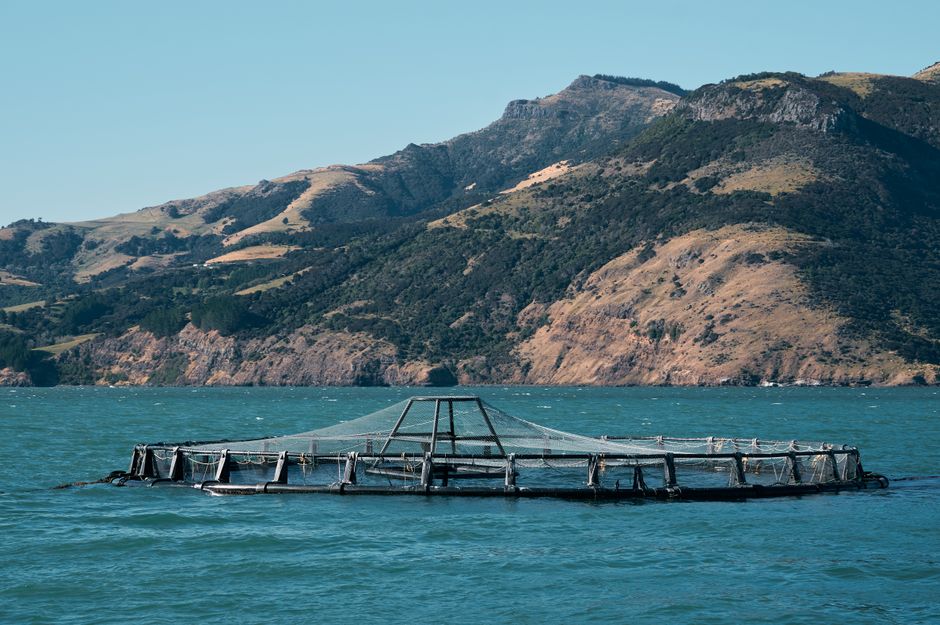
A hereditary chief of the Hupačasath First Nation has publicly called on Atlantic salmon farming company Cermaq to shut down its Boot Lagoon hatchery near Port Alberni, B.C., by the end of the year, escalating a long-running dispute over open-net pen fish farming on the province’s west coast.
Tsu-tsii-in (Alton Watts), tyee ha’wilth of the Hupačasath First Nation in the Alberni Valley, made the demand on Sept. 23, saying the hatchery operation is polluting local waters and spreading disease to fish returning to the rivers. He said halting the hatchery’s operations is one way to pressure the company to end its fish farming activity in the region.
The Boot Lagoon hatchery, located on Hupačasath traditional territory near Great Central Lake, raises juvenile Atlantic salmon, known as smolts, before they are transferred to Cermaq’s 14 open-net pen facilities in Ahousaht First Nation territorial waters. Watts said he would reject any financial offer to allow the hatchery to continue operating, including a hypothetical $10 million payment, arguing that Atlantic salmon do not belong on the West Coast.
According to Watts, the Hupačasath First Nation does not have a protocol agreement with Cermaq, which is wholly owned by Mitsubishi Corporation. He said neither he nor his late father, former hereditary chief Hugh “Tuffy” Watts, ever granted the company permission to operate on Hupačasath territory.
A Divide Between Neighbouring Nations
Cermaq’s relationship with the neighbouring Ahousaht First Nation differs considerably. The company renewed a five-year protocol agreement with Ahousaht hereditary chiefs in 2022, which Ahousaht leadership says provides the nation with about $6 million annually. Those funds reportedly support land-back initiatives, restoration projects, business expansion and other community programs. A representative for Ahousaht hereditary leadership declined to comment for this story.
Elsewhere on the coast, Hesquiaht hereditary chiefs Vince Ambrose and Steve Tom, along with elected chief councillor Mariah Charleson, have called for the removal of open-net pen fish farms from the Pacific Coast, stating in a January 2026 letter to the federal government that immediate action is needed to protect wild salmon populations.
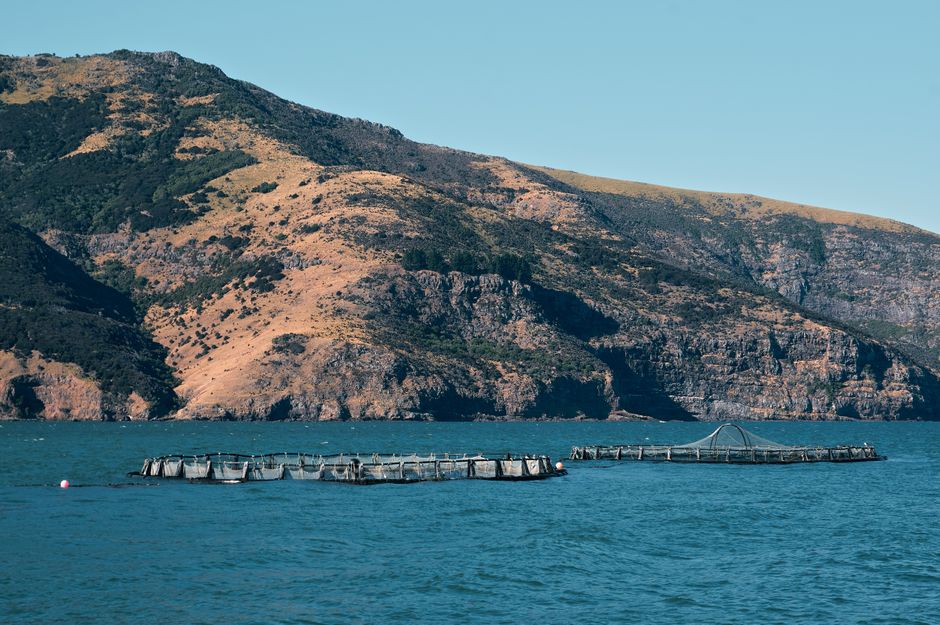
Chief Ho’miskanis (Don Svanvik), hereditary chief and elected chief councillor for the ʼNa̱mǥis First Nation near Alert Bay, pointed to the experience of the Broughton First Nations — Mamalilikulla, Namgis and Kwikwasut’inuxw Haxwa’mis — which reached an agreement with federal and provincial governments to remove 17 open-net fish farms from their territory after years of protest and research. Svanvik described the resulting rebound in wild salmon returns as significant, saying populations that had fallen to the hundreds have since risen into the thousands. He also raised concerns about the way pathogens from farms can affect fish migrating through neighbouring territories regardless of where individual nations set their own policies.
Federal Policy and Industry Pushback
Watts’ demand comes against the backdrop of a June 2024 federal policy statement outlining a plan to transition British Columbia’s aquaculture industry by June 30, 2029. Under the policy, new salmon aquaculture licences must use closed containment technology, and existing open-net pen operations are expected to shift toward closed containment systems on land or in the ocean.
Alison Reilander, a media relations liaison for Innovation, Science and Economic Development Canada, said the government engaged extensively with First Nations, communities, industry and other stakeholders throughout the process, and that this feedback continues to inform its deliberations. She said any future decisions on the transition will be communicated by the federal government when appropriate.
The BC Salmon Farmers Association says the province’s salmon farming industry currently generates $1.2 billion in economic output, contributes $483 million to Canada’s GDP, and supports 4,051 full-time jobs. Andrew Nixon, the association’s community engagement coordinator, said the federal transition policy as currently structured is unworkable from an investment standpoint and runs counter to peer-reviewed and government science indicating that current salmon farming practices do not pose a risk to wild salmon. Nixon said the association is advocating for an outcomes-based approach that would allow for innovation rather than mandating a specific closed containment technology.
B.C. Salmon Farming Industry, by the Numbers
This article references reporting from: