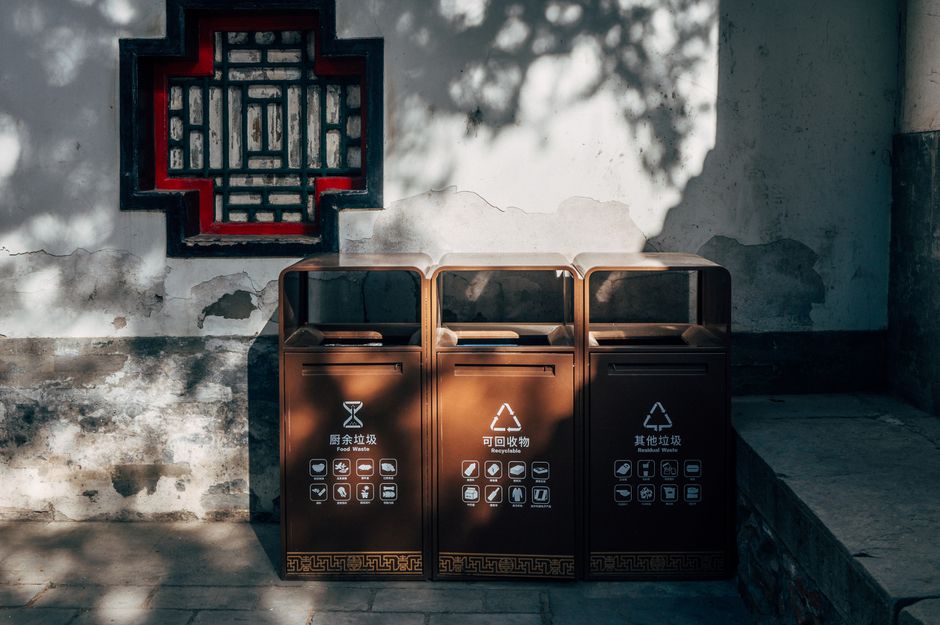
Alberta municipalities are rolling out the second phase of a producer-funded recycling system this month, a shift that is reshaping both what residents can toss in their bins and how much local governments pay to manage waste.
As of Oct. 1, the province’s Extended Producer Responsibility (EPR) program extends beyond the communities that adopted it in April 2025 to cover the rest of Alberta. Under the framework, companies that produce single-use products, packaging, paper, and household hazardous materials are now required to fund and, in some cases, manage the recycling of those items rather than leaving the cost to municipalities. A group called Circular Materials was formed by Alberta producers to coordinate compliance with the new rules.
How the Program Is Changing Municipal Budgets
The financial impact has already been visible in St. Albert, one of the communities that joined the first phase of the rollout in April. According to John Potter, the city’s manager of waste management and transportation operations, that initial phase saw Circular Materials assume payment responsibility for recycling services, which cut St. Albert’s monthly recycling fee to about 31 cents from $6.54. The first phase also expanded what residents could place in blue-bag recycling to include items such as plastic clamshells and non-beverage cartons.
The second phase now underway standardizes what can be recycled across the entire province and extends curbside recycling collection to multi-family residential buildings for the first time.

A Single, Unified List Of Accepted Materials
Under the new provincial list, items that were previously excluded in many communities because local facilities lacked the capacity to sort them can now go into household recycling. These include Styrofoam, glass, paper to-go cups, toothpaste tubes, coffee pods, chip bags, empty aerosol cans, and bubble wrap.
Potter said the expanded list means St. Albert households will be able to recycle or compost the vast majority of their waste, reducing what ends up in general garbage collection. The change also affects the city’s Mike Mitchell Recycling Depot, where residents will now be able to place mixed materials into a single bin rather than sorting them into separate categories. The depot’s public cardboard compactor will be discontinued, though the city may continue using it for construction waste.
Jennifer Koole, executive director of the Recycling Council of Alberta, said the shift to a province-wide system creates economies of scale that give producers greater financial incentive to invest in recycling infrastructure and design products that are easier to process. She noted that hazardous items such as spray paint and oils remain excluded from household recycling and must still be taken to designated depots, while empty aerosol cans that held food- or skin-safe products are now accepted.
Projected Environmental and Waste Reduction Impact
A 2019 study commissioned by what is now Alberta Municipalities estimated that a province-wide EPR system would divert an additional 20,900 tonnes of paper and packaging from landfills annually, while cutting greenhouse gas emissions by 71,900 tonnes a year — a reduction the U.S. Environmental Protection Agency estimates is comparable to removing 16,771 gasoline-powered vehicles from the road for a year.
Residents can find the full updated list of accepted recycling materials through Circular Materials’ website.
This article references reporting from: