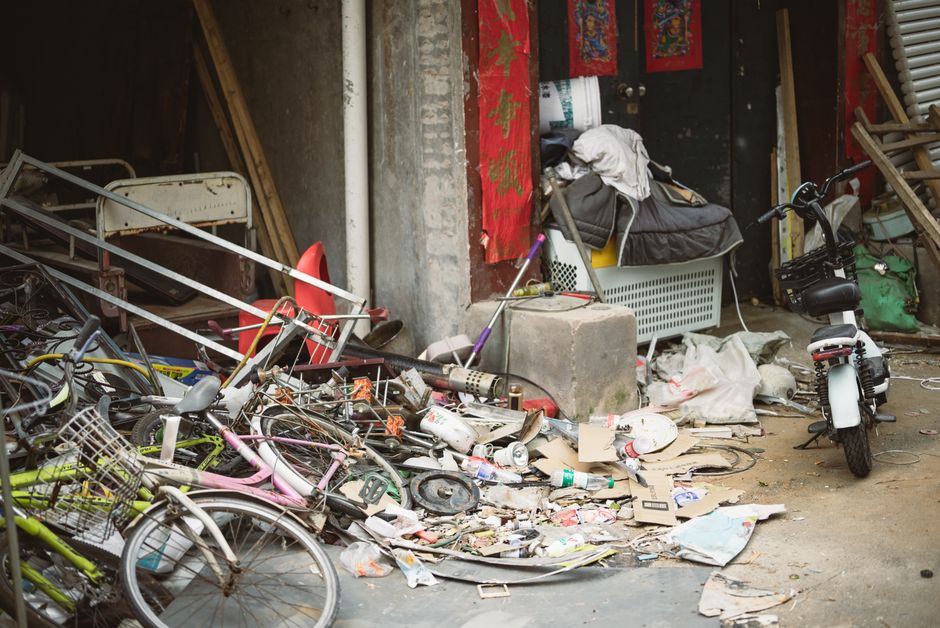
Alberta’s government says it will introduce legislation this fall to significantly raise penalties for illegal dumping and impose new oversight on waste transfer and storage facilities, following what officials describe as a rising number of dumping incidents across the province, particularly in Calgary.
Premier Danielle Smith announced the planned amendments to the province’s Environmental Protection and Enhancement Act, saying illegal dumping has left farmers, municipalities and taxpayers to clean up after offenders. “Illegal dumping damages our environment, violates private property and leaves Albertans paying for someone else’s mess. Waste must be disposed of responsibly,” Smith said. “We’re cracking down so those who choose to break the law face tougher penalties and serious consequences.”
New Penalties and Jail Time
Under the proposed changes, individuals caught illegally dumping waste could face fines ranging from $10,000 to $100,000, while corporations could be fined between $100,000 and $1 million. Courts would also gain the power to impose jail sentences of between 30 days and six months for non-compliance. Enforcement would fall to municipal bylaw officers and Alberta’s Ministry of Environment and Protected Areas.
Environment and Protected Areas Minister Grant Hunter said illegal dumping has become more common and undermines public trust. “We have heard very clearly that Albertans are fed up with the garbage being illegally dumped on farmers’ fields and back alleys, or in the back roads,” Hunter said, adding that the legislation is meant to act as a deterrent this fall.
Municipal Affairs Minister Dan Williams said the changes reflect a broader respect for property owners and taxpayers who currently bear cleanup costs. “There is no excuse for illegal waste dumping on someone’s property, on our roadsides, in our natural spaces,” Williams said, noting that legal disposal options are widely available.
Calgary’s Dumping Problem
Calgary’s existing bylaws cap fines for illegal dumping at $10,000, well below the new provincial maximums being proposed. The province said the City of Calgary logged roughly 30,000 complaints and nearly 9,000 service requests related to illegal dumping in 2025, but issued only 165 tickets and three fines.
The issue has repeatedly surfaced in specific Calgary communities. Residents in Forest Lawn, Penbrooke Meadows, Southview and Ogden have reported problems this year, with one Forest Lawn location reportedly being used in place of the local landfill; items dumped there included sofas, mattresses, bed frames and a trampoline. Residents said they avoided intervening out of concern over confrontation.
Kincora residents raised similar concerns last year, describing construction debris — including tires, discarded hot water tanks, housing frames and insulation — left by large trucks in a lot zoned for multi-residential housing. Residents said bylaw enforcement often had little lasting effect, with dumping resuming once officers left the area.
Tighter Rules for Waste Facilities
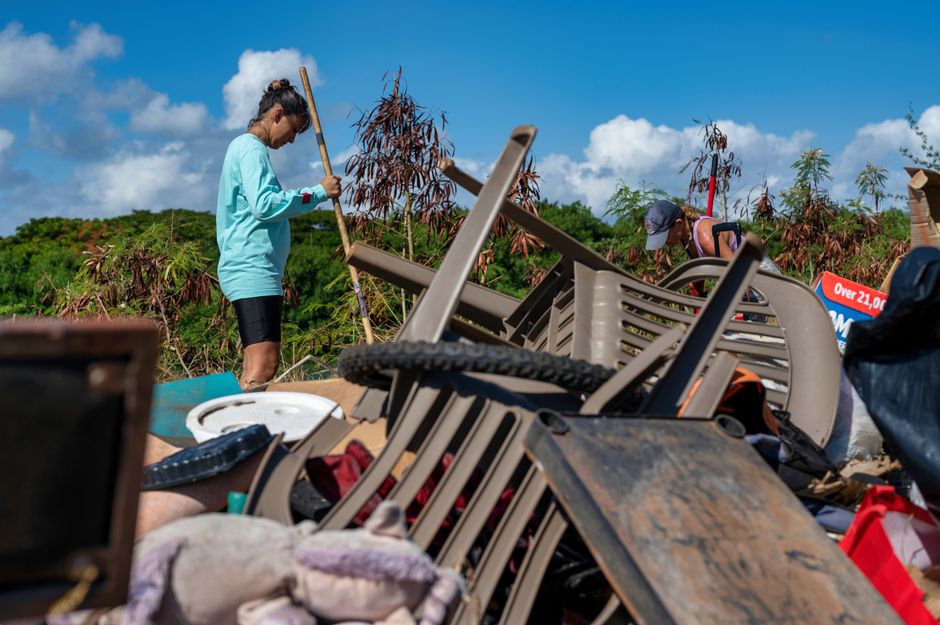
Alongside the dumping penalties, the province is proposing changes to how waste transfer and storage sites are regulated. Currently, facilities that store, handle or transfer non-hazardous waste generally only need to notify Alberta Environment and Protected Areas, without being required to secure provincial registration or meet minimum design standards before operating.
Hunter said the province intends to introduce a two-tier system that would place “higher-risk” facilities — those handling large volumes or storing waste for longer periods — under stricter provincial registration and operating requirements. The province estimates about 150 of Alberta’s 684 waste transfer and storage sites would fall under the new registration rules.
The proposed framework comes weeks after a large fire broke out at ECCO Recycling’s waste facility in southeast Calgary, a site that had previously drawn scrutiny over regulatory compliance. Hunter said the announcement was not a direct response to the fire but acknowledged the incident highlighted shortcomings in the current system. “We think that there needs to be some more work. That there were some gaps that we had when it came to addressing potential bad actors in this space,” Hunter said, adding that the coming legislation and regulations are intended to better protect Albertans going forward.
This article references reporting from: