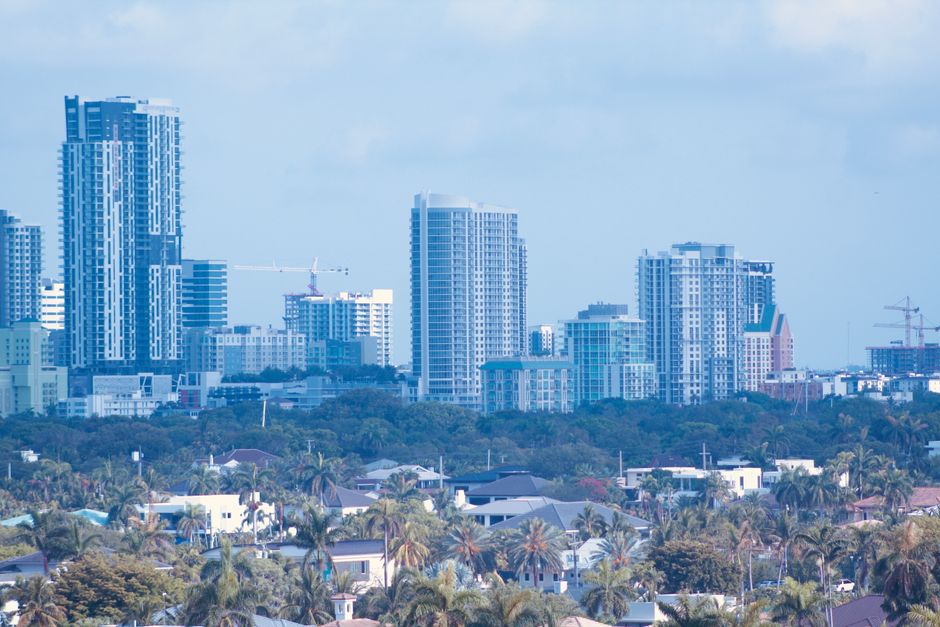
Florida voters are set to decide Nov. 3 on Amendment 3, a ballot measure that would significantly expand the state’s homestead property-tax exemption for permanent residents, a change that could leave Canadian snowbirds largely outside the biggest relief on offer.
The amendment, already approved by Florida lawmakers, would raise the non-school homestead exemption from its current level of US$50,000 to US$150,000 in 2027 and to US$250,000 in 2028. It would also cut the annual cap on assessment increases for non-homesteaded properties from 10 per cent to five per cent. Because the exemption applies to homesteaded properties owned by permanent residents, seasonal owners such as Canadian snowbirds, who do not qualify as homesteaded, would remain part of the broader tax base.
Origins in DeSantis’s Tax Push
The measure grew out of a campaign by Republican Gov. Ron DeSantis to reduce, and eventually eliminate, property taxes on homesteaded homes. DeSantis has said Florida can afford the change because property tax revenue collected by local governments has nearly doubled over the past seven years.
DeSantis has also been explicit about who would fall outside the main relief. In a June interview with Fox News, he said the focus was on homestead properties, adding that non-homestead categories such as residential rentals, Airbnbs, Canadian snowbirds and commercial properties would continue to be taxed. Earlier in 2025, while arguing against a separate sales-tax cut, he said he wanted “Canadian tourists and Brazilian tourists” to help subsidize the state while permanent residents received tax relief.
What It Means for Canadian Owners
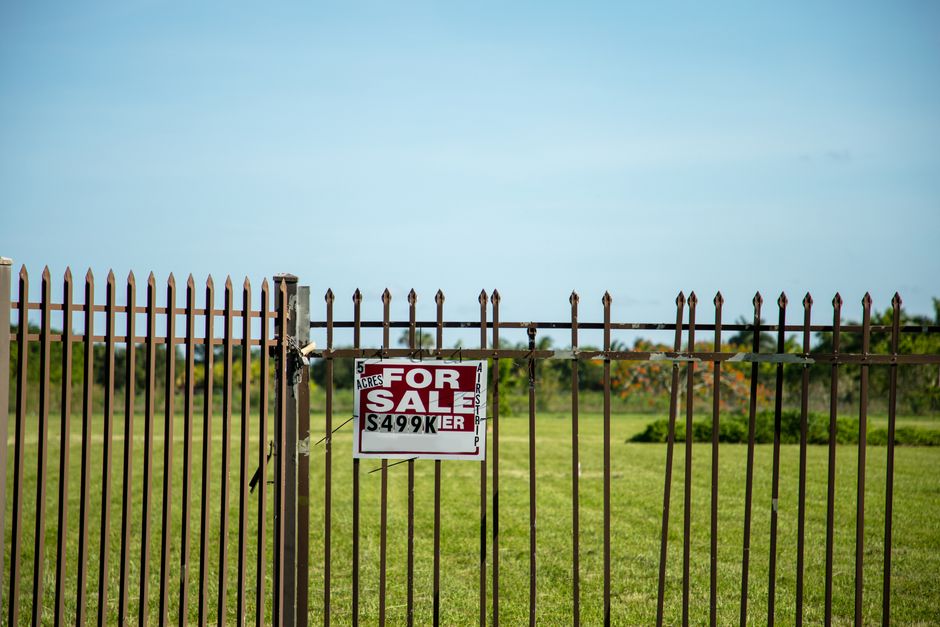
Canadians make up a large share of Florida’s seasonal property owners, making the structure of the amendment relevant to many cross-border homeowners. The measure does not create a tax specifically aimed at Canadians; instead, it restructures who receives the state’s largest property-tax break. Those who own property that does not qualify for the permanent-resident homestead exemption, including many Canadian snowbirds, would not receive the expanded relief available to full-time residents.
If at least 60 per cent of Florida voters approve the amendment, it would take effect Jan. 1, 2027. For Canadian snowbirds, the practical question raised by the vote is less about a new levy targeting them directly and more about how much of Florida’s reshaped tax base they will continue to shoulder as permanent residents receive deeper exemptions.
This article references reporting from: