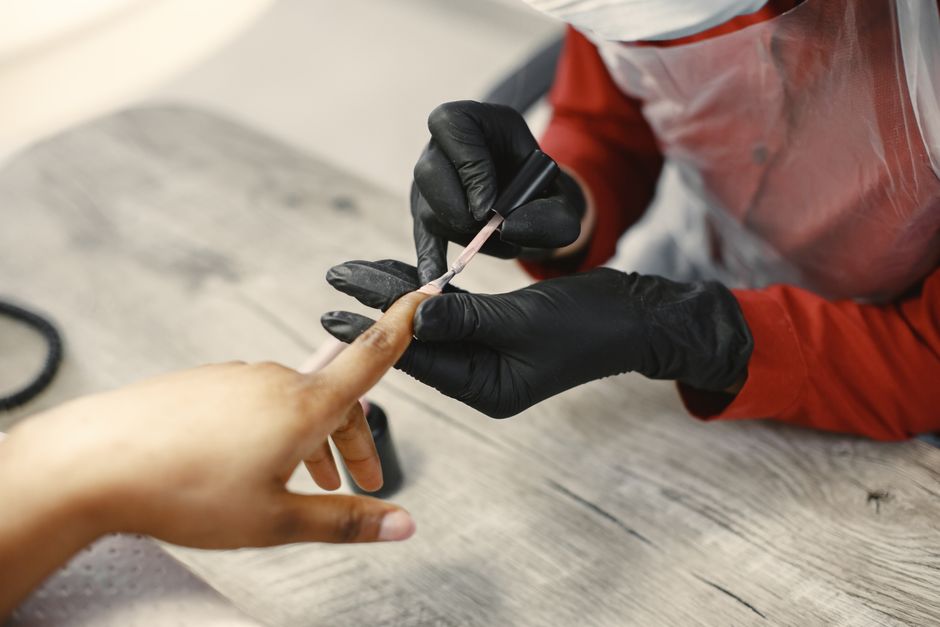
A Toronto-area nail salon chain, Nail Fix in the 6ix, owes more than $50,000 in unpaid wages, withheld tips and penalties to nine workers, according to documents reviewed by the Toronto Star, highlighting broader gaps in Ontario’s wage enforcement system.
Farah Yeo, 30, worked full time at the salon’s locations in Leslieville and Scarborough from 2024 to 2025, handling manicures, pedicures, human resources, front desk duties and cleaning. She said her paycheques repeatedly fell short of her agreed $1,500 bi-weekly wage plus tips and 139 hours of unpaid overtime. More than seven months after the Ontario Ministry of Labour ordered the company to pay, Yeo said she is still owed more than $13,000.
Yeo is one of nine workers with outstanding payment orders against the company issued by the ministry. None of the workers have been paid, and the business remains operational.
Employer Does Not Dispute Claims
According to an employment standards officer’s report seen by the Star, salon co-owner Monique Joustra confirmed she reviewed the allegations and said the information provided by the claimant appeared accurate, and that she was not disputing the claim.
In a phone interview, Joustra said the business ran into difficulty after a delayed opening of its Leslieville location in 2024, with financing costs and rent becoming unmanageable. She and her husband and co-owner, Richard Brady, said they borrowed from family to cover arrears and pay staff, and that they took on more staff than they could afford because they felt obligated to employees already on board.
Joustra said the couple are in active discussions with Ontario’s Ministry of Finance on a payment plan but gave no timeline for fully repaying workers, saying they had set aside funds for an initial payment and described the business as running lean. She said it remained their intention to pay workers what they are owed.

Broader Pattern of Unrecovered Wages
The case comes amid what the Workers’ Action Centre, a Toronto-based advocacy group, describes as a deteriorating system for recovering unpaid wages in Ontario. The group’s head, Deena Ladd, called the Nail Fix case an example of what she described as broken enforcement, questioning how many repeated wage theft cases from one employer it should take for the government to act.
According to government data cited by the Star, nearly $200 million in unpaid wages have been formally assessed as owed to Ontario workers over the past decade. When employers fail to comply with a Ministry of Labour order within 30 days, cases are referred to the Ministry of Finance for collection. Of $102.4 million referred for collection between 2013 and 2023, less than a quarter was recovered, leaving workers still owed $79.9 million.
Legal experts and advocates cited enforcement gaps and businesses going defunct as reasons many orders go unfulfilled. Immigration consultants have also noted rising wage theft cases among workers with precarious immigration status amid market turmoil.
Government Response
The Ministry of Finance said in an email statement that it was increasing enforcement through tougher penalties and expanded oversight, including doubling the maximum fine for individuals convicted of Employment Standards Act violations to $100,000, and raising penalties for repeat offenders to $5,000 per employee. The ministry did not directly address why outstanding orders against Nail Fix in the 6ix have not been collected. The Ministry of Labour did not respond to the Star’s questions about what is being done to hold employers accountable.
This article references reporting from: