
With Toronto’s municipal election set for Oct. 26, residents across the city say affordability, housing, public safety and transit remain their biggest concerns as leading candidates make their final pitches.
More than 50 people are running to lead Canada’s largest city for the next four years, but polls suggest the race will be tight between incumbent Mayor Olivia Chow and councillor Brad Bradford. Chow’s platform includes measures aimed at lowering grocery prices, providing free lunches in schools and building more affordable housing units. Bradford has pledged to freeze property tax rates in his first year in office and eliminate the land transfer tax for homes under $1.1 million.
Cost of Living and Housing Pressures
Ilham Saydna, a North York resident who has lived in Toronto for 30 years, said she will support whichever candidate prioritizes affordability, citing rising reliance on food banks and difficulty paying rent among residents. Saydna, who rents her home, said the city needs to do more to support tenants, including rethinking what counts as affordable housing. She said she believes tackling poverty and homelessness would also help reduce crime, rather than treating public safety as a separate issue.
Terry Chamberlain, who lives in the Don Mills area, said he supports more housing development as long as it fits appropriately into neighbourhoods. He also called for more community facilities and said the city should lobby the province to extend the Ontario Line subway, a 15.6-kilometre project currently under construction, beyond Eglinton Avenue.
Property taxes are also a flashpoint. Patty Wegrzyn, who lives near a homeless shelter built two years ago in Scarborough, said she sold her home because she could no longer afford tax increases and wants a mayor more sympathetic to ratepayers. She also raised concerns about shelter placement near families with children. Chow has said her approach to reducing homelessness is working, while Bradford has said his strategy would emphasize supportive and transitional housing.
Peter Formica, a Scarborough resident living in senior co-operative housing, suggested the city could sell underused high-value properties and free up larger, underused housing units to expand affordable housing options, particularly for seniors.
Transit and Safety Concerns in Scarborough
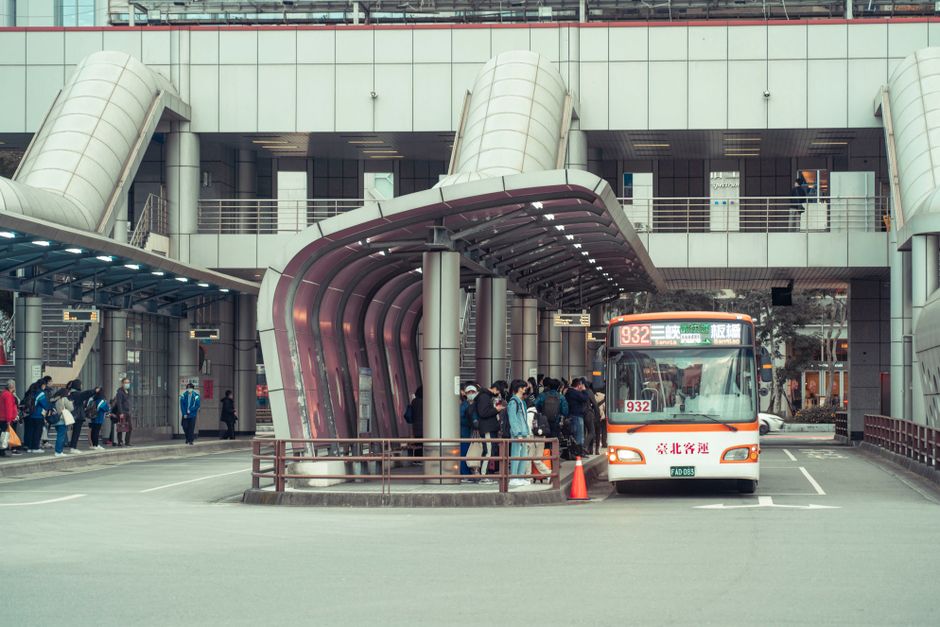
Scarborough, a district of more than 600,000 people often described as a “transit desert,” has become a focal point in the race, with Chow and Bradford facing off in a debate centred on the area. The Toronto Transit Commission recently opened a four-kilometre Scarborough Busway linking Kennedy Station and Scarborough Town Centre, replacing Line 3 train service that was shut down following a derailment more than three years ago. The city has described the busway’s opening, six months ahead of schedule, as a major achievement, though some Scarborough residents say the move falls short of their transit needs.
Leonel Juan, a Scarborough resident, questioned why a subway line was extended as far as Vaughan while Scarborough has yet to be fully integrated into the transit network nearly three decades after amalgamation. The Scarborough subway extension remains years from completion, while the Scarborough East Rapid Transit — an 18.6-kilometre light-rail line connecting Kennedy to Malvern Town Centre via the University of Toronto’s Scarborough campus — is still in the design phase nearly two decades after it was first proposed. The project, formerly known as the Eglinton East LRT, has faced delays tied to funding shortfalls and political disagreements. Juan said he wants the next mayor to speed up the work and allow more housing development in Scarborough’s waterfront areas.
Provincial Relations and Policing
Some voters also weighed in on the relationship between the city and the provincial government. Ross Rowlands, a Beaches resident, said he wants a mayor willing to stand up to Ontario Premier Doug Ford over decisions to ban municipal speed cameras and remove bike lanes on some major roads, calling the bike lane removals unsafe. Chow has opposed those provincial moves, though she and Ford have described their working relationship in other areas as close. Rowlands also said he would like to see the next mayor invest in preventive approaches to crime and mental health rather than additional spending on policing.
Toronto police data show that homicides, shootings and robberies have declined this year, a trend Saydna pointed to in describing why she personally feels safe in the city, even as she said homelessness remains a more pressing concern for Toronto overall.
This article references reporting from: