
Anthropic’s initial public offering has become the second blockbuster technology listing this year to leave investment bankers privately complaining about how tightly a company controlled its own IPO process, even as the deal generated more than half a billion dollars in underwriting fees.
The artificial intelligence company’s offering, internally called “Project Lantern,” surpassed SpaceX’s June IPO in size when it debuted on Thursday. People close to the process described a compressed timeline, last-minute changes and delays in sharing financial projections, rushed approvals of documents, and unusual restrictions placed on the bankers involved.
Anthropic reportedly told some of its 22 IPO underwriters to limit the number of bankers working on the deal to four, and to ensure those staff were senior, according to people familiar with the matter. One person said the restriction likely stemmed from concern about information leaking, though banks found ways to work around the limit anyway.
A Shifting Power Dynamic
The complaints reflect what sources describe as a new balance of power between technology companies and Wall Street. Companies such as SpaceX and Anthropic, and potentially OpenAI in the future, have gained significant leverage as demand for AI-related shares has surged, allowing them to set terms on their own conditions.
Jay Ritter, a University of Florida professor emeritus who studies IPOs, said these companies “certainly did have some market power to tell underwriters that it’s not going to be business as usual,” but added he expects major Wall Street firms to largely continue operating as usual for all but a small number of companies, such as OpenAI, going forward.
Ritter also noted that both SpaceX and Anthropic negotiated to pay underwriters nothing on additional shares sold through the greenshoe option, an arrangement he said most companies would not be able to replicate.
Anthropic, Goldman Sachs and Morgan Stanley, the two lead underwriters on both IPOs, declined to comment, while SpaceX and OpenAI did not respond to requests for comment.
Confidentiality Restrictions and Market Reaction
According to people familiar with the matter, Anthropic asked some senior bank officers working on its IPO to sign legal documents restricting core deal team members from working with rival companies, including OpenAI, Cursor, DeepSeek and Hugging Face, for six months after the listing. Bankers and lawyers said such broad exclusivity requirements, particularly on individual bankers rather than firms, are uncommon.
Anthropic needed a large underwriting syndicate to raise the capital it sought, which some people said explains why it sought to bind individual bankers rather than entire banks, unlike past competing IPOs such as those of Uber and Lyft, or Trulia and Zillow, where banks could simply choose a side.
Some restrictions were also aimed at preventing leaks after Reuters reported details from a draft IPO filing, including financial information and risk factors, nearly four weeks before Anthropic’s Form S-1 filing with the Securities and Exchange Commission was made public.
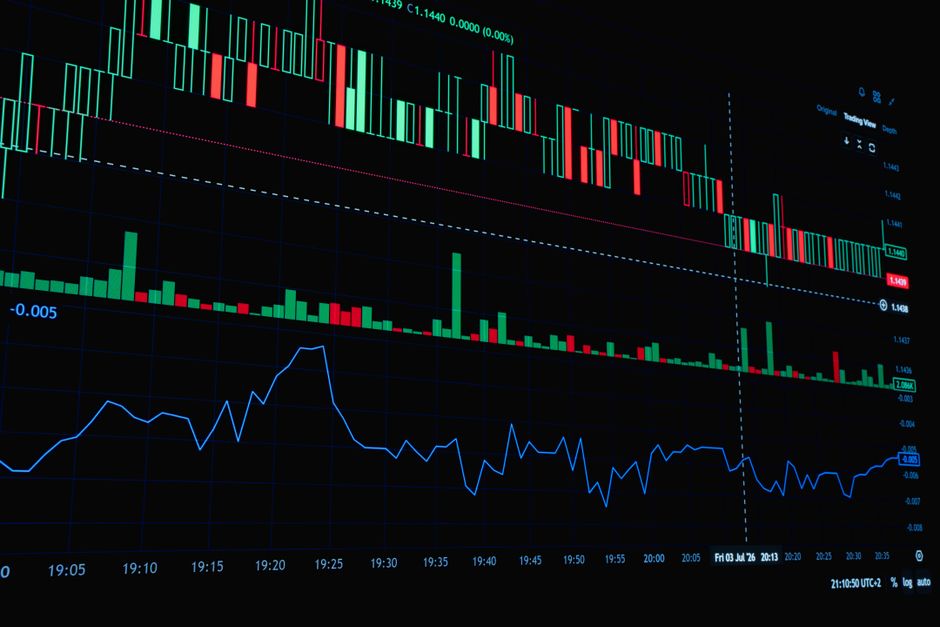
Both SpaceX and Anthropic raised record sums and saw their shares rally initially, aided by order books that were oversubscribed many times over amid strong demand for AI-related shares. SpaceX’s shares climbed to a post-listing peak of US$201.80 on June 16 before falling below its US$135 IPO price in mid-July. Anthropic’s shares, after a 17 per cent gain on their first day of trading, closed down 8.5 per cent on Friday, a drop that came amid a broader pullback in AI-related stocks. Canadian pension funds that had invested in Anthropic stood to see large gains on their holdings as the shares began trading.
This article references reporting from: