Prime Minister Mark Carney travelled to Fort McMurray, Alta., this week to announce that the proposed Pacific Link pipeline, a million-barrel-per-day project running from Alberta to a tanker export terminal in southern B.C., has become the first proposal designated in the national interest under legislation passed last year.
The designation means the project will go through a streamlined review process overseen by the Calgary-based major projects office. Its ultimate success depends on whether oilsands companies are willing to invest in expanding production to fill the pipeline.
Asked whether the announcement could spark a return to the boom years in the oilsands hub city, Carney said he would avoid the word “boom,” preferring to describe the outlook as “sustained growth.” The last boom, which ran from the mid-2000s to the mid-2010s, was accompanied by cost inflation, labour shortages and a lack of housing. Both Carney and Alberta Premier Danielle Smith said they expect any new growth to unfold differently this time.
A Decade of Caution in the Oilsands
Oilsands companies have largely avoided the kind of multibillion-dollar “green field” megaprojects that defined the previous decade. The last mine built from scratch, Suncor Energy’s Fort Hills, saw its cost rise to more than $17 billion from an initial $13.5 billion between its 2013 approval and its 2018 startup. Since then, companies have instead focused on expanding existing operations rather than launching new ones.
Executives have pointed to limited pipeline capacity, a complicated regulatory system and strict environmental rules as reasons for the pullback in large-scale investment. That slowdown also coincided with a collapse in global crude prices roughly a decade ago, followed by the sharp drop in demand during the COVID-19 pandemic.
Carney said the situation has since changed, citing the war in the Middle East as having exposed vulnerabilities in global energy supply chains and increased demand for stable producers. He noted that several energy policies introduced under the previous federal government have been reversed, and that the Pacific Link pipeline could open more access to Asian markets for Alberta crude. Carney said lessons learned from past infrastructure projects, planning by local mayors and early involvement from First Nations leaders would help spread economic benefits more broadly, alongside what he called a new phase of technical innovation in the industry.
Smith Points to a More Automated Industry
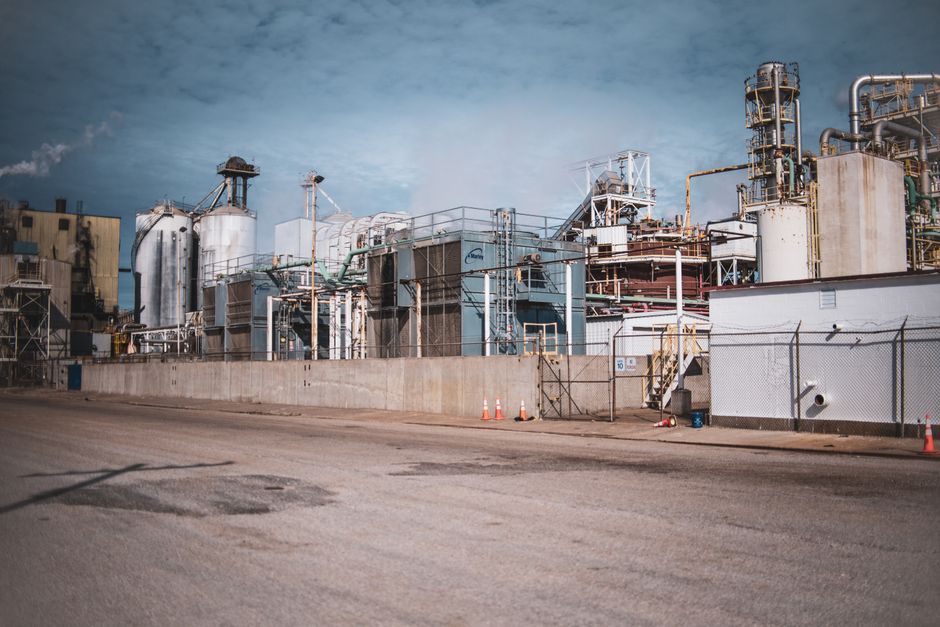
At the news conference, Smith highlighted the autonomous haul trucks operating in the background, noting that in the past, human drivers for such vehicles earned six-figure salaries and were often flown in from elsewhere in Canada to live temporarily in work camps. She said companies have found ways to boost production without the population surges and housing strain seen previously.
Smith said she has discussed infrastructure needs, including bridges and roads, with local municipal leaders, pointing specifically to planned upgrades on Highway 881, which runs through several steam-driven oilsands operations south of Fort McMurray. She said there are multiple ways the province and federal government could partner to ensure infrastructure keeps pace with any production growth.
Industry Consolidation and Labour Concerns
Andrew Botterill, who leads Deloitte Canada’s oil, gas and chemicals practice, said the Alberta oilpatch has become more consolidated and co-ordinated than it was during the previous boom, with producers working together to share labour and limit cost competition. Ownership in the sector has also become more concentrated, with former operators such as Husky and MEG Energy bought out, and international companies including Shell and Total exiting or scaling back their holdings.
Lance Mortlock, managing partner at EY Canada, raised concerns about whether enough skilled workers will be available if multiple major projects move forward simultaneously, including the pipeline, new oilsands developments, mines, transmission lines and hydro dams. He said tens of thousands of workers, including engineers, welders and pipefitters, would be needed, and called for more discussion about workforce planning and how to sequence major projects to avoid straining the labour market.
This article references reporting from: