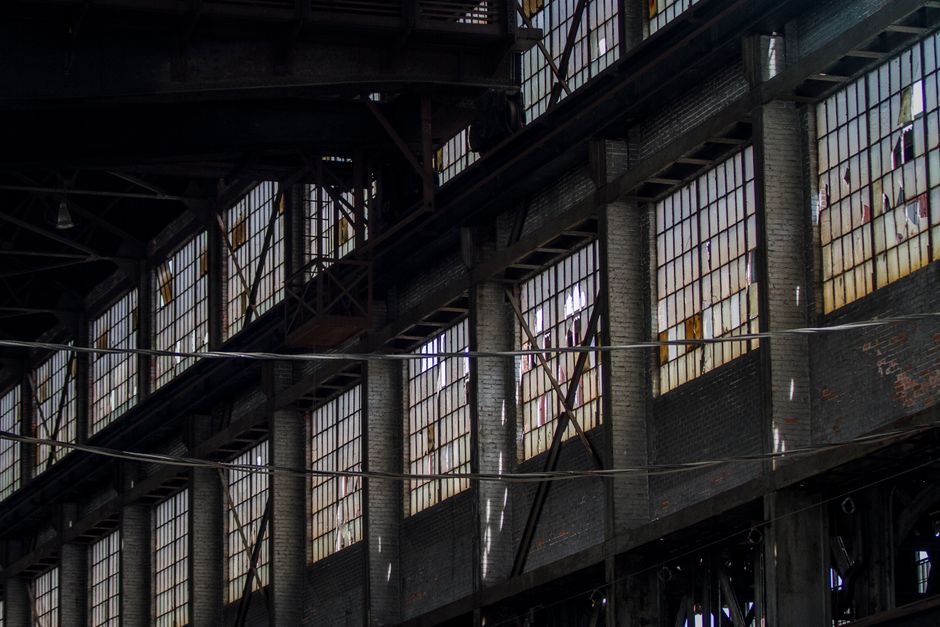
Stelco is laying off approximately 350 steelworkers in Hamilton after informing employees it will indefinitely shutter its cold-rolled steel line starting October 9. The company delivered the news to workers directly, marking one of the most significant local fallouts yet from the ongoing trade tensions between Canada and the United States.
Stelco is owned by Cleveland-Cliffs, a U.S.-based steel producer. During an investor call in July, Cleveland-Cliffs had already signaled that the Hamilton operation’s future was at risk unless Canada took stronger action to limit the flow of low-cost steel imports into the country. With the cold-rolled line now closing, only the site’s coke operation will continue running, preserving roughly 250 jobs there.
Market Reaction to Tariff Uncertainty
News of the shutdown coincided with a sharp drop in Cleveland-Cliffs’ stock, which fell 9% on U.S. markets. That decline was notably steeper than the losses seen at industry peers Nucor and Steel Dynamics. The gap reflects Cleveland-Cliffs’ distinct exposure to cross-border trade risk through its Canadian subsidiary, since shifts in U.S. tariffs on Canadian steel create uncertainty for the company on both sides of the border. That dual exposure, paired with Cleveland-Cliffs’ higher debt load compared to competitors, has contributed to steeper declines in its share price.
Ripple Effects for the Auto Sector
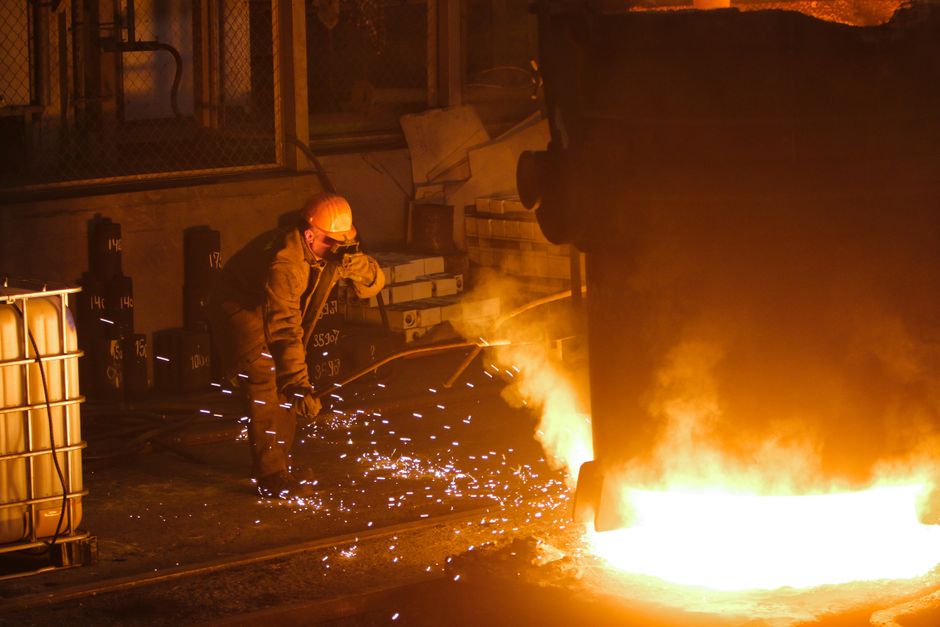
A large share of the steel produced at the Hamilton facility feeds into the automotive industry, which is already contending with its own disruptions tied to tariffs imposed by the Trump administration. The layoffs add another layer of strain to a supply chain that connects Hamilton’s steel production directly to vehicle manufacturing affected by the broader trade dispute.
This article references reporting from: