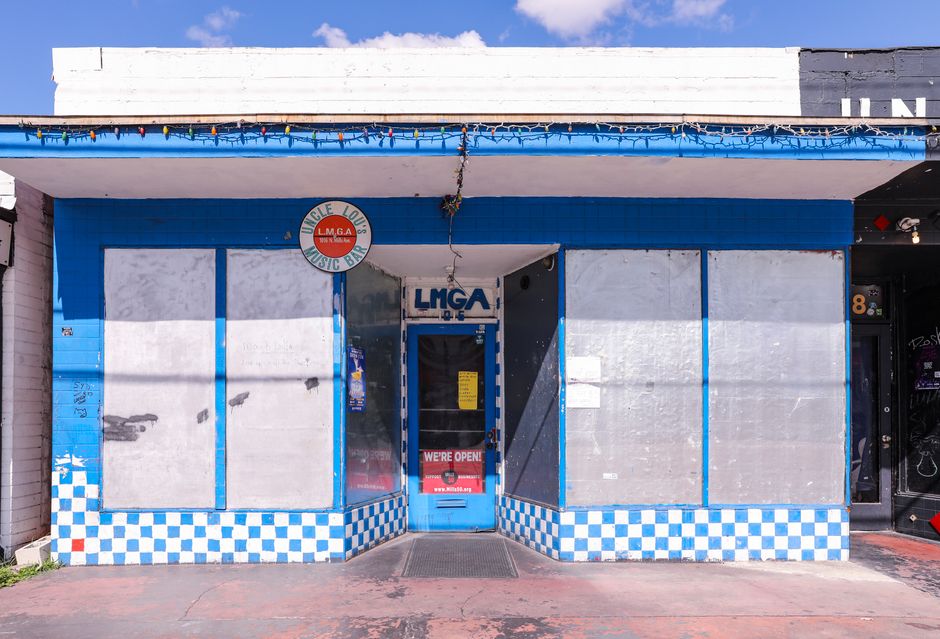
Electric Bill, an Australian-themed cocktail bar on Bloor Street W. near Ossington Avenue in Toronto, permanently closed this past August after two years in business, owner Casey Ryan told CBC Toronto.
The bar first opened in 2024 and had built a base of dedicated local customers, according to Ryan. But he said that loyal following wasn’t enough to offset a steady squeeze on margins that made the business unsustainable.
“Your margins are tight already…[and so] there’s more pressure on your pricing. You have to raise your prices. If you raise your prices too high, you price yourself out of the market,” Ryan said.
Rising food and alcohol costs
Ryan pointed to several specific cost pressures that accumulated over Electric Bill’s run. He estimated that after a federal GST tax holiday in 2024 temporarily eased prices, the bar’s food costs still rose by about 20 per cent overall during its two years of operation.
Alcohol costs were another factor. For most of that period, Electric Bill received the standard 10 per cent LCBO discount on alcohol purchases for bars and restaurants, which Ryan said didn’t meaningfully offset rising booze prices. In April, the LCBO shifted away from that discount system to a new wholesale pricing model, but Ryan said the change didn’t reduce his costs.
He also cited increases in rent, gas and hydro bills, along with Ontario’s minimum wage increases, as contributing to the bar’s shaky finances. “People deserve to make a living wage, so I’m happy to pay,” he said. “It just means on our end that we have to be a lot more diligent with how we staff.”
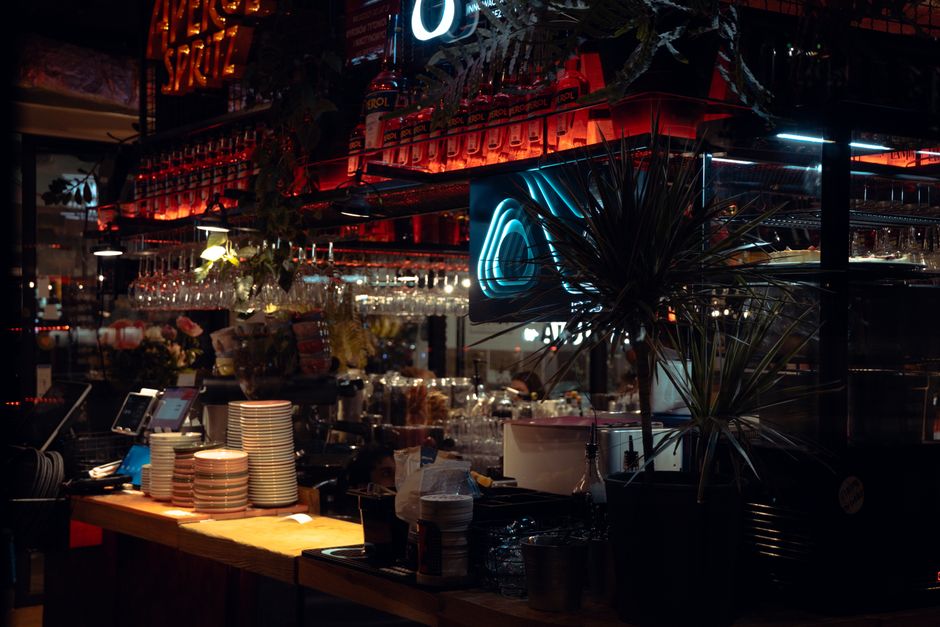
In its final year, Electric Bill chose not to open its patio at all, with Ryan describing the city’s patio fees — about $7,000 — as “crazy high.” Pat Tobin, Toronto’s manager of economic development and culture, defended the fee structure in a statement to CBC Toronto, saying the cost of setting up a patio remains “significantly lower than the cost of indoor commercial space.”
Part of a wider industry trend
Ryan’s experience mirrors what other bar and restaurant operators across Canada have been reporting. A February 2026 report from Restaurants Canada found more than 40 per cent of its members were operating at a loss or barely breaking even. Restaurants Canada CEO Kelly Higginson said many operators “don’t see a light at the end of the tunnel… they’re putting money from their own pockets in.”
Statistics Canada data cited in the reporting shows the restaurant and bar sector in the Toronto census metropolitan area has grown more volatile in recent years. Between 2018 and 2020, there were 96 closures for every 100 openings in the city; by the 2024-2026 period, when Electric Bill operated, that ratio had climbed to 98.5 closures for every 100 openings — meaning nearly as many businesses were failing as were opening.
Both the City of Toronto and the Ontario government, in statements, pointed to existing supports for small businesses, including provincial corporate tax cuts and the city’s reductions to small business property tax.
Ryan said he hasn’t ruled out opening another venture in the future, but only if conditions improve. “If the economy was a bit better, if there was a bit more support for places on the ground… then I’d definitely consider it,” he said.
This article references reporting from: