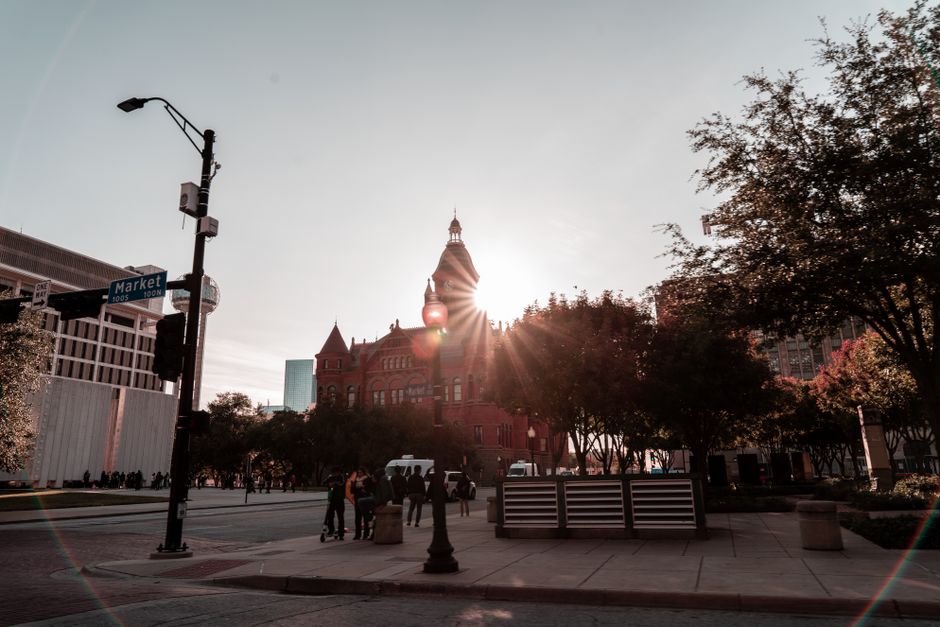
The Canadian Automotive Museum in downtown Oshawa has racked up nearly $3,000 in municipal fines after the city said it failed to address nuisance-related problems tied to unsheltered individuals gathering on its property.
Executive director Alexandra Miller-Gerrard said the museum has accrued $2,750 in fines since mid-September, with seven fines issued in total, including two received this week. She said the museum received a municipal bylaw order last June and has since taken steps to address the city’s concerns, but the fines have continued.
Oshawa Regional Councillor Rick Kerr, who represents Ward 4 where part of the downtown core sits, told the Toronto Sun he would have preferred the city issue a compliance order rather than fines, but said bylaw officers may have felt compelled to escalate the matter after a year and a half of ongoing issues.
Nuisance Complaints and Nearby Mission
Miller-Gerrard said the fines stem from large groups of unsheltered individuals frequenting the property and causing disturbances visible to the public, including loitering, fighting, screaming, littering and other disorderly conduct. The fines are issued under City of Oshawa bylaw 65-2009, Section 3.1, which addresses loitering and nuisance issues.
Kerr pointed to the Back Door Mission for the Relief of Poverty, which operates from the former Simcoe St. United Church located kitty-corner from the museum, as a factor behind the recurring issues. He said police and bylaw officers have repeatedly had to clear people from the area, only for them to return. When asked why the museum is being fined for conduct largely tied to people associated with the nearby mission, Kerr said a nuisance on one property that causes distress to others, including added demands on police and bylaw time, still constitutes a nuisance. Miller-Gerrard referred questions about the city’s rationale to municipal officials.
Financial Toll Beyond the Fines
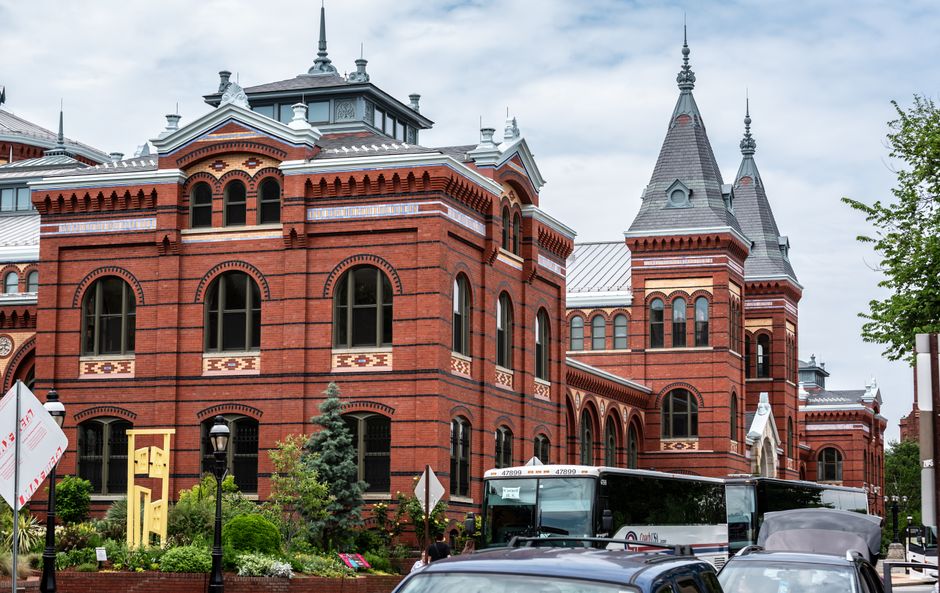
Miller-Gerrard said the museum has faced additional costs over the past roughly 18 months, including replacing three broken windows and repairing an HVAC system that was damaged when someone attempted to remove copper from it, at an estimated cost of about $15,000. The museum has also invested in security cameras, improved exterior lighting and signage to meet the city’s requests.
The museum generates revenue beyond grants, donations and admission fees through a parking lot it owns, renting spaces to local businesses and workers in the downtown core. Miller-Gerrard said parking revenue has dropped by about 34%, and cited one prospective renter who recently cancelled after saying she did not feel comfortable. She also said visitor feedback in recent months has included reviews noting discomfort getting out of vehicles because of conditions in the downtown area.
Museum Calls for City Action
In a news release, the museum called for what it described as practical improvements to enhance safety downtown, including better lighting, access control, proactive security and bylaw support, and improved coordination with the city. Miller-Gerrard said in the release that the museum is a small charitable organization that cannot reasonably address these challenges alone.
Kerr said the city has forward plans but could not provide specifics, noting the matter is unfolding during the municipal election campaign.
This article references reporting from: