Vancouver-based Hypercharge Networks Corp. has signed an agreement to acquire REVS Charging, a Texas-based electric vehicle charging company, in a deal aimed at deepening its footprint south of the border.
The transaction values REVS on an enterprise basis at up to US$4.75 million. It would bring around 550 company-owned Level 2 charging ports and roughly 650 customer-owned ports into Hypercharge’s U.S. operations, pushing the company’s combined North American portfolio of sold, owned and managed charging ports past 11,200. The deal is expected to close on Oct. 1, at which point REVS founder and chief executive David Aaronson will become president of Hypercharge’s U.S. subsidiary.
Hypercharge, which trades under the ticker HC-X, supplies hardware, software and services for EV charging used in commercial and multiresidential buildings. Kyle Moncrief, the company’s chief financial officer, told Sustainable Biz Canada that REVS “checked the right boxes” as Hypercharge’s first U.S.-focused acquisition.
A Shift Toward Owning Charging Infrastructure
REVS currently operates in 26 states, with its main presence in the southeastern United States and Texas. Moncrief said those markets stand out for their high levels of discretionary income, strong economic growth, ongoing infrastructure investment and active development of multifamily and commercial real estate.
He pointed to overlap between the two companies’ customer bases in multiresidential and commercial buildings, along with cost synergies between REVS and Hypercharge’s hardware, and the potential for a stronger U.S. supply chain, as reasons the acquisition makes sense for both sides.
The deal also marks a pivot for Hypercharge toward owning and operating charging ports rather than largely selling them to customers. Moncrief said the company now has enough of an asset base, even if much of it is customer-owned, to understand what makes a strong charging site — typically locations in population-dense areas with high EV-charging demand. Once the REVS transaction closes, Hypercharge’s owned port count will rise to more than 550, up from fewer than 20 previously. The company has set a target of owning and operating between 30 and 50 per cent of its charging ports within the next three to five years.
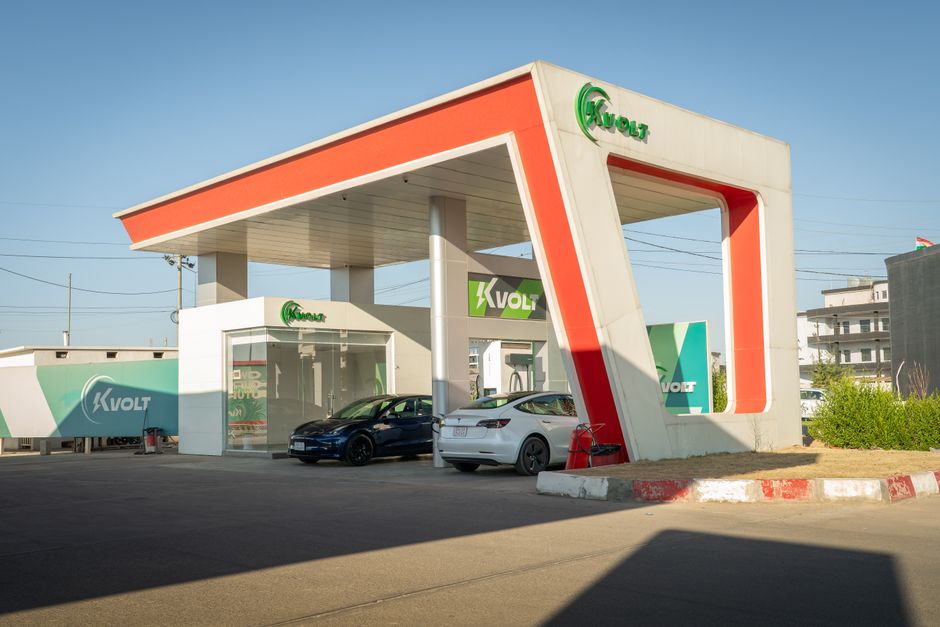
The REVS deal builds on an earlier move this spring, when Hypercharge acquired Eddie from AXSO, adding more than 2,700 EV charging ports to its network.
More U.S. Deals Expected
Moncrief said the REVS purchase should not be viewed as an isolated move. Hypercharge’s broader ambition over the next three to five years is for its U.S. business to grow larger than its Canadian operations, and the company intends to pursue further acquisitions in the U.S. in a “disciplined” manner if suitable opportunities emerge.
The strategy comes even as federal government support for EV adoption in the U.S. has weakened, including the phase-out of federal subsidies under the One Big Beautiful Bill Act roughly a year ago. Moncrief said that support could shift again, and he described EV adoption as a trend that cannot be reversed, noting that sales have held steady as price parity with gas-powered vehicles continues to improve.
Hypercharge is also expanding into Hypercorp Energy Solutions, a business focused on small-scale battery energy storage systems for commercial and industrial clients. Moncrief said the company sees further room to grow in energy management services, including applying its data-driven analytics capabilities to that side of the business.
Key Figures in the Hypercharge-REVS Acquisition
This article references reporting from: