
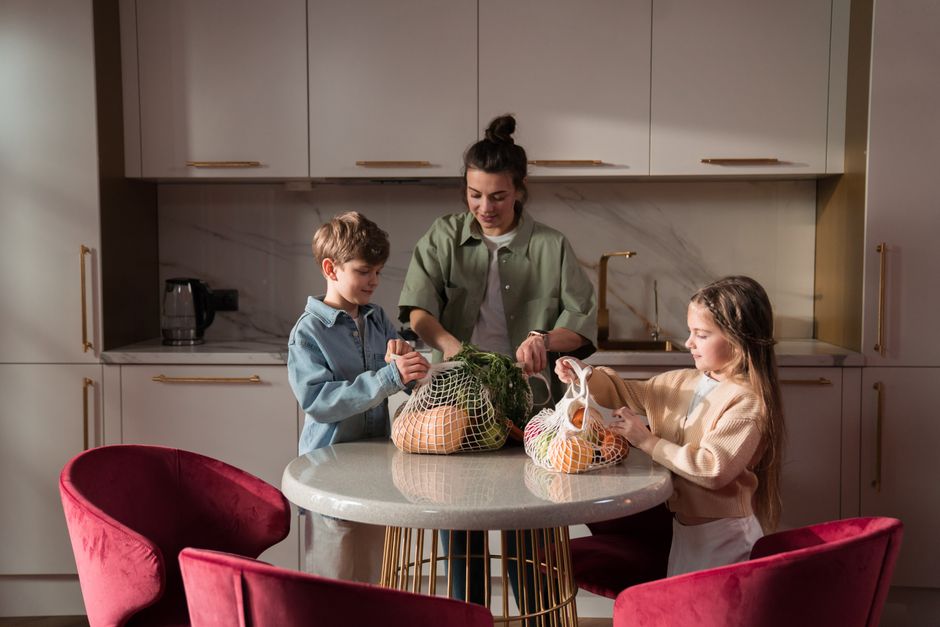
More than half of Canadian parents provided financial support to their adult children last year, according to survey findings shared through an RBC survey, with groceries emerging as the expense parents covered most often.
The data, cited in an Instagram post from Toronto Culture, found that 51% of Canadian parents gave financial help to an adult child, with the average amount reaching about $6,000. Beyond groceries, parents commonly covered emergency costs, rent, and utility bills for their grown children.
Support Extends Well Beyond the Early Twenties
The survey suggests that financial dependence among adult children in Canada is not limited to those in their early 20s. Among parents who provided support, 21% were helping children between the ages of 30 and 34, while 19% were assisting children aged 35 to 40.
Respondents referenced by NOW in Toronto pointed to high housing costs, grocery bills, and a difficult job market as major obstacles preventing adult children from becoming fully financially independent.
What the Numbers Suggest About Household Pressure
The findings point to broader pressure on household budgets tied to housing affordability, wage levels, and the cost of essential goods. Rather than financial independence ending in a person’s 20s, the survey indicates that rising living costs and a tougher job market can delay milestones such as moving out, paying down debt, or building savings.
The report noted that some households have looked for ways to reduce everyday spending, such as stretching grocery budgets through batch cooking and freezing meals, or seeking out secondhand items for clothing and household goods, as approaches some families have used to manage costs.
The survey did not provide additional detail on regional breakdowns or how the figures compare with prior years.
This article is for informational purposes only and does not constitute financial, investment, or legal advice. Consult a licensed financial advisor before making investment decisions.
This article references reporting from: