Land development projects moving through the pipeline this fall illustrate just how varied the pressures on Canadian land have become — municipalities are wrestling with how to turn contaminated former industrial sites into housing and parkland, public institutions are looking to their real estate holdings as new revenue sources, and federal tax policy is reshaping investment decisions in the resource sector.
Turning Rail Yards Into Housing and Parkland
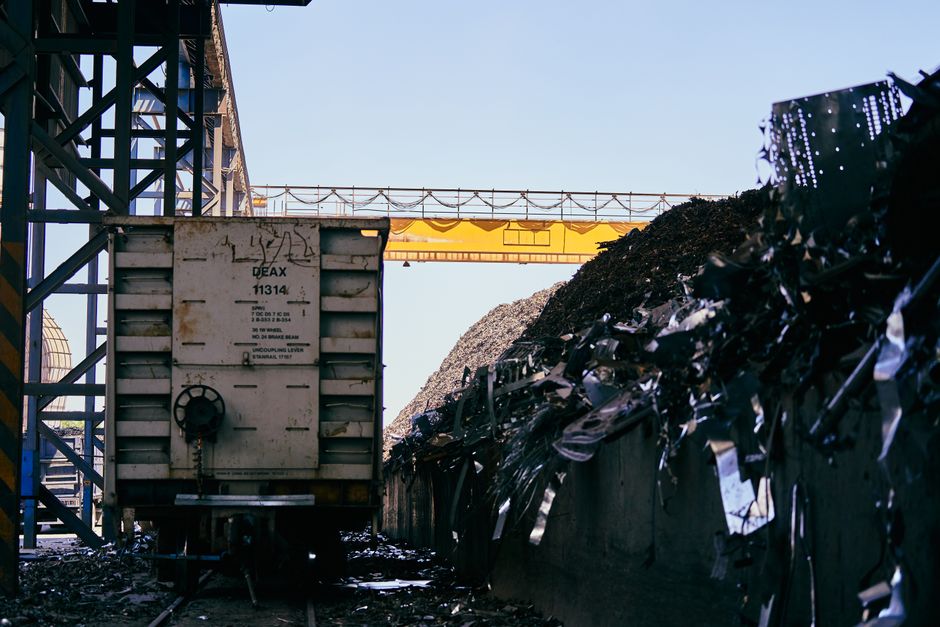
In St. Thomas, Ontario, city council this week reviewed preliminary concepts for the Railway Lands Area Master Plan, covering former rail property downtown between Talbot and Wellington streets, behind the CASO Station. The site is being proposed for mixed residential and commercial use, with three concepts under consideration: a status-quo option with moderate intensification allowing up to 1,325 housing units, a high mixed-use and connectivity scenario allowing up to 3,550 units, and a hybrid intensification scenario also capped at 1,325 units.
Residents who spoke to CTV News said they want the plan to prioritize greenspace, parks and a dog park alongside development, with some also calling for more affordable housing options rather than higher-end apartments. Councillor Joan Rymal said the downtown location offers an opportunity for public amenities, including a potential concert venue. Mayor Joe Preston cautioned that final decisions rest largely with private landowners, not the city, and that remediating the brownfield site will cost millions of dollars per hectare, a cost to be shared between property owners and taxpayers. “When it’s costing us millions of dollars to repair what they left us, then that will also contribute to how much we can do,” Preston said, referring to contamination left behind by the railways.
Public meetings on the master plan are planned for November, and Preston said he expects council to approve necessary zoning changes in 2027.

Universities Monetizing Their Land Holdings
While municipalities focus on remediating industrial legacies, some public institutions are looking at underused land as a financial opportunity. The University of Regina has selected Forster Investments Inc. as the proponent to lead planning on a proposed development of 33 acres of university-owned land at Grant Road. The selection follows an assessment of the costs, benefits and risks of developing various university land assets, with the Grant Road site identified as the strongest option.
University president Dr. Jeff Keshen described the move as part of a broader strategy to diversify revenue streams and support long-term growth, saying it would allow the institution “to leverage its existing assets to support future growth.” Blair Forster, president and CEO of Forster Investments, said his firm was “honoured” to be selected and looks forward to developing concepts that reflect the university’s vision while creating opportunities for the surrounding community. The University issued its request for proposals for a third-party developer in December 2025, seeking land-use concepts driven by local demand. The project will proceed through standard development approval processes, with community engagement expected in spring or summer 2027.
Tax Policy Shaping Resource-Sector Land Development
Land development pressures are not limited to housing and institutional real estate. According to an analysis from law firm McMillan LLP, Canada’s newly introduced “Productivity Mega Deduction” is set to affect how companies approach the development of mineral properties, changing the pace at which development costs tied to mineral property can be deducted. The firm’s analysis, published in September, frames the measure as a factor developers and investors in the mining sector will need to weigh when planning the timing and structure of mineral property development in Canada.
A Patchwork of Pressures on Canadian Land
Taken together, the three cases underscore how differently “land development” plays out depending on the landowner and the land itself. Municipalities such as St. Thomas are balancing housing intensification against community demands for parks and affordable units on sites burdened with costly environmental remediation. Public institutions like the University of Regina are treating land banks as a lever for financial sustainability, bringing in outside developers to unlock value from underused acreage. And in the resource sector, federal tax policy is emerging as a variable that can accelerate or reshape how mineral property gets developed. None of the three processes described is yet finalized — the St. Thomas plan awaits public meetings and zoning approval, the University of Regina project is still in the planning stage ahead of 2027 community consultations, and the practical effects of the federal tax deduction on mineral development remain to be seen as companies adjust their planning.
This article references reporting from: