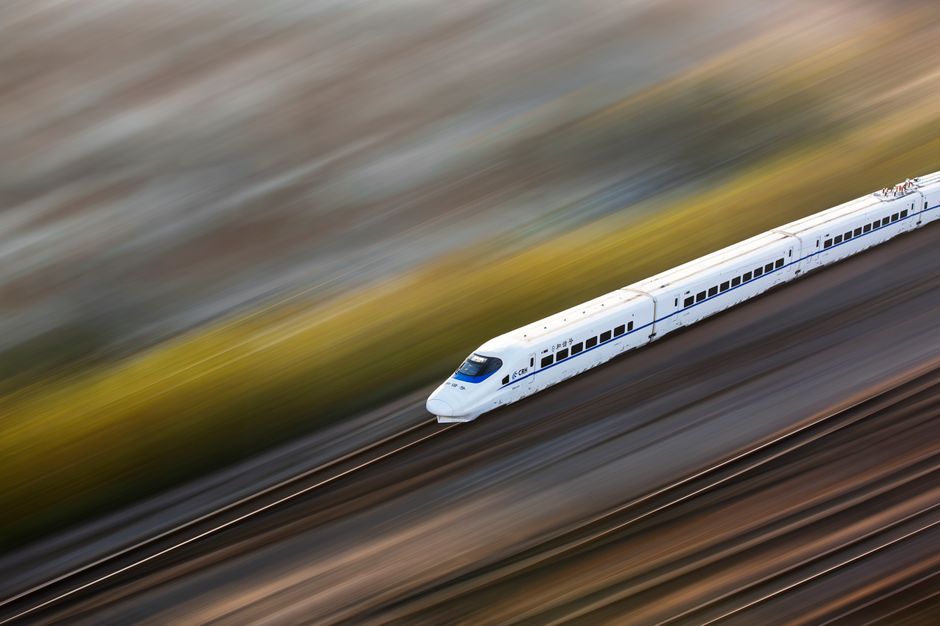
Alberta is pushing ahead with plans for a high-speed passenger rail line linking Calgary and Edmonton, though key questions about the project’s price tag and construction timeline remain unanswered.
The province said it will launch a formal request for proposals this fall, inviting private-sector bidders to submit plans for a high-speed rail connection running from downtown Calgary through Red Deer to downtown Edmonton. The proposed route would also serve Airdrie as well as the Calgary and Edmonton international airports. Alberta expects to select a proponent by April 2027.
Cost Estimates Remain Unclear
Transportation and Economic Corridors Minister Devin Dreeshen said the eventual cost of the project and how much the province might contribute are still unknown, noting that costs could shift substantially depending on the proposals submitted and where stations and infrastructure end up being located within the two cities. The amount of provincial investment a bidder proposes will be one of the factors used to evaluate submissions.
Alberta’s completed Passenger Rail Master Plan had estimated construction and vehicle costs of $38 billion in 2025 dollars for a broader higher-speed Edmonton-Calgary network that also included regional service through Red Deer and connecting commuter lines. Officials stressed that figure is not a cost estimate for the specific high-speed rail project announced this week. The $38-billion estimate includes projected land costs and carries a wide accuracy range of plus 100 per cent to minus 50 per cent, which the Master Plan describes as typical for this early stage of planning. By comparison, the Master Plan pegged a more conventional option that largely follows an existing freight rail corridor at $25 billion. The province did not specify Monday what a “minimal” provincial financial contribution might actually amount to in dollar terms.
Private Sector Interest Building
Dreeshen said companies have already begun forming consortiums that bring together railway operators, builders and engineering firms to prepare for the bidding process, calling the initiative potentially “the largest infrastructure project in the province’s history.” Alberta held an industry webinar in July and has been conducting one-on-one consultations with equity providers, contractors and engineering firms between August and October. Premier Danielle Smith said the province has already heard from at least three private-sector proponents interested in different components of Alberta’s passenger rail plans.
Provincial industry-engagement materials indicate Alberta has been exploring whether private companies could finance, build, operate and maintain all or part of the broader passenger rail network with no or significantly limited government funding. The province says any successful proposal will be expected to require minimal financial investment from the Alberta government and to integrate with existing passenger rail systems already operating in Calgary and Edmonton.
Federal Role Still Taking Shape
Monday’s announcement did not include a federal funding commitment. Canada and Alberta said the Calgary-Red Deer-Edmonton high-speed rail initiative will be referred to the federal Major Projects Office once a private-sector proponent is chosen. The two governments plan to set up a joint governance structure to guide collaboration, information sharing, planning and due diligence as the project moves forward, including near-term steps to gauge market interest.
Speaking on behalf of federal Transport Minister Steven MacKinnon, Prairies Economic Development Canada Minister Eleanor Olszewski said further work is needed to understand the project’s costs, benefits and impacts, and that the process will involve consultation with Indigenous communities, municipalities, industry and the public.
What the Line Could Look Like
Under the province’s current vision, trains could travel at speeds of up to 320 kilometres per hour. The Passenger Rail Master Plan estimates a trip between downtown Edmonton and downtown Calgary could take about one hour and 45 minutes. The Master Plan’s high-speed option envisions electric trains running on two dedicated passenger tracks built in a brand-new corridor rather than relying mainly on existing freight rail infrastructure, an approach the plan says would require extensive land acquisition. The Master Plan’s maps remain conceptual and do not lay out exact routes or station locations.
No construction or opening date was announced. Smith said prospective proponents will be expected to lay out their own project timelines as part of their proposals, with the RFP process launching this fall and a proponent selection targeted for April 2027.
This article references reporting from: