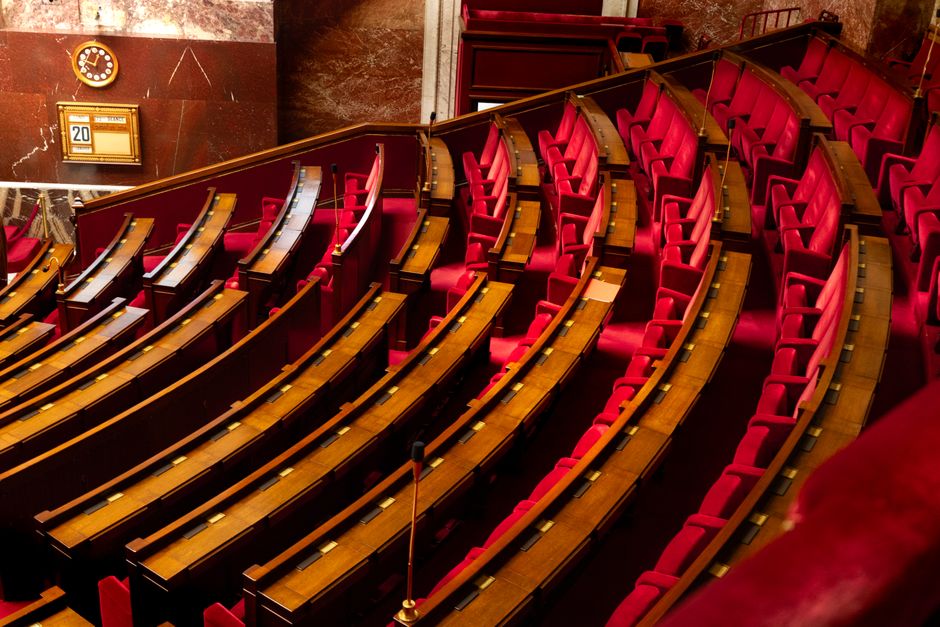
Manitoba’s legislature resumed sitting Tuesday for a session expected to centre on the cost of living, even as the return was overshadowed by an abrupt leadership shake-up in the Official Opposition.
Progressive Conservative Leader Obby Khan announced Monday that he was stepping down from the post and leaving the caucus effective Tuesday, saying he would sit as an Independent. Khan pointed to internal conflict within the party as his reason for leaving, saying he would not compromise his principles to hold onto the title. The departure leaves the Progressive Conservatives with 19 seats against Premier Wab Kinew’s 34 New Democrats, with one Liberal and three Independents, including Khan, rounding out the legislature.
Affordability Dominates Early Debate
Both Kinew and Progressive Conservative house leader Derek Johnson identified affordability as a top concern heading into the session. Kinew referenced the cost of gas and groceries, tying prices in part to broader geopolitical tensions. He again pressed opposition members to stop delaying a rent control bill he called a major government priority, accusing the Tories of holding up the legislation.
Johnson said his caucus would keep affordability and community safety as its central focus. He argued the government’s proposed rent control changes, which would limit how much landlords can raise rent to cover renovation costs, could backfire by discouraging property owners from investing in maintenance and upgrades. Johnson said that could lead to deteriorating housing stock and fewer decent units available to renters.
The government has already rolled out several targeted affordability measures this year, including increases to homeowner and renter tax credits and a cut to the provincial tax on prepared foods such as rotisserie chickens and bags of chips. The Progressive Conservatives, meanwhile, have continued pushing a broader plan to raise the amount of income Manitobans can earn tax-free.
Tax-Free Threshold and Health Care in Focus
The Tories want to lift the province’s basic personal tax exemption to $30,000, up from the $15,780 level that has been in place since 2024.
Health care is also expected to be a major flashpoint this session. Kinew has highlighted that Manitoba has added more than 4,700 net new health-care staff and introduced more than 100 hospital safety officers since the NDP took office. Over the summer break, the government signed a construction contract for a new CancerCare Manitoba facility, expanded training capacity for emergency medicine doctors, and said it had improved access to procedures such as endoscopies and knee replacements.
Johnson said his party plans to push a private member’s bill requiring public disclosure of wait times for specialists and treatments, arguing the NDP’s health care record has not matched its campaign promises. Kinew has said the province faced the worst doctor shortage in the country when his government took office in 2023, and that recruitment and training efforts are gradually closing that gap.
Other Commitments in Play
Among other promises from earlier in the year, Kinew’s government opened a safe consumption site in Winnipeg in August, later than the January target set out in the throne speech. The site is currently running out of temporary structures while a permanent facility in the city’s north downtown is prepared.
The premier has also committed to legislating Canada’s first Crown-Indigenous corporation, framed as a vehicle for partnership with First Nations and the Red River Métis as the province looks at expanding the Port of Churchill. Kinew has said the legislation is still being developed and would not confirm whether it will pass during this sitting.
Other recent moves include the selection of a loon-themed parks licence plate design and a proclamation, issued Friday, making daylight time permanent in the province — a change that required no legislation.
This article references reporting from: