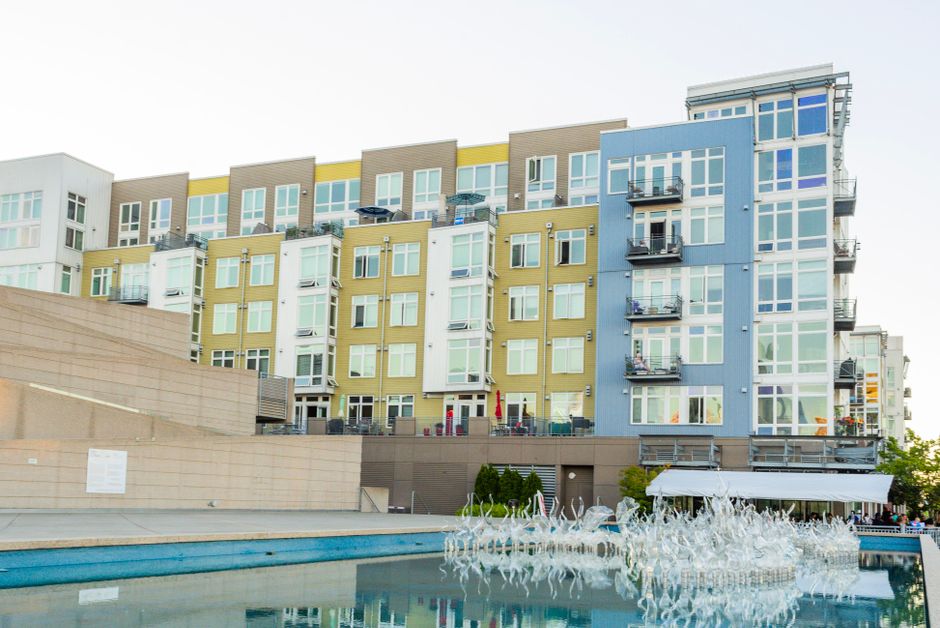
A one-bedroom apartment near Dalhousie University in Halifax is currently listed for $1,750 a month — among the more affordable options in the area, according to listings on the Rentals.ca network. Other comparable units in the neighbourhood are asking $2,000 or more, a price that would have covered a two-bedroom apartment in the city just five years ago.
In September 2021, the average asking price for a one-bedroom in Halifax sat at $1,574, while a two-bedroom averaged $2,041. Real estate watchers say the pace of rent increases across Nova Scotia has accelerated sharply since 2019, pushing the province past long-standing high-cost markets in the rest of the country.
In May, Nova Scotia overtook British Columbia for the highest average asking rents for apartments and condos in Canada, according to a monthly analysis from Rentals.ca and Urbanation based on listing prices across the Rentals.ca network. The province has held that position for four consecutive months, with the average landlord ask reaching $2,356 in August — a year-over-year increase of 3.1 per cent. That stands in contrast to the national average, which fell 4.8 per cent over the same period, continuing a two-year downward trend.
Tenant Protections Lag Other Provinces
Advocates point to Nova Scotia’s rental rules as a key driver of rising costs. Mark Culligan, a community legal worker at Dalhousie Legal Aid Service, said the province’s system of fixed-term leases — which do not automatically renew once they expire — combines with a five per cent rent increase cap to create what he called an incentive for landlords to turn over units rather than renew existing tenancies.
Unlike in other provinces, tenants in Nova Scotia have no right to renew a lease once its term ends, leaving the decision entirely up to landlords. If a unit is rented to a new tenant instead of being renewed, landlords can raise the rent beyond the five per cent cap. That cap is already higher than rent control limits set elsewhere in Canada, including British Columbia’s 2.2 per cent and Ontario’s 1.9 per cent caps set for 2027, both of which are tied more closely to inflation.
Culligan said the arrangement can discourage tenants from raising concerns, such as requests for repairs, during their lease term out of fear it could affect their chances of renewal. He described it as a tool that gives landlords a strong financial incentive to replace tenants and raise rents.
Large Landlords Control Majority of Units
Ownership concentration is another factor cited by researchers. A report published this month by Dalhousie Legal Aid, titled Who Owns Halifax, examined the ownership structure of roughly 1,400 large rental properties representing more than 50,000 units in the Halifax area. It found that just 20 landlords own 56 per cent of those units, with financial firms alone controlling close to a quarter of the total — a pattern the report describes as a market increasingly shaped by large corporate, chain and financial landlords.
Those findings align with separate research published in July by Statistics Canada examining investor-owned residential properties in 2022 across Nova Scotia, New Brunswick, Prince Edward Island, Ontario, Manitoba and British Columbia. Economist Joanie Fontaine, author of the StatCan report, said Nova Scotia was the only one of those six provinces where institutional investors held the largest share of investment properties; in the others, individuals who did not reside in the properties held the largest share. Among Nova Scotia’s rental properties, institutional investors owned 38 per cent of assessed value.
Nova Scotia Rent Trends vs. National Average
Culligan said institutional investors are well positioned to benefit from Halifax’s dense downtown core, an area with strong rental demand tied to its large student population, hospitals and military installations. He said the limited ability of many residents to live farther from these hubs strengthens the market influence of large landlords operating nearby.
Construction Costs Slow New Supply
Rentals.ca spokesperson Giacomo Ladas said new rental supply in Halifax is struggling to keep pace with demand, noting that rental construction in the city takes about 70 per cent longer than the national average, driven by rising costs for land, permitting and labour.
Scott Moulton, a Halifax-based real estate agent with Royal LePage Atlantic, said building costs in the city may exceed those in central Canada given the physical constraints of the Halifax peninsula, which limits development largely to taller concrete construction that requires more complex engineering. Ladas added that while more rental supply is in the pipeline, new projects tend to be geared toward higher-income renters rather than the city’s large population of students working within limited budgets.
This article references reporting from: