Saskatchewan has laid out a long-term plan to make nuclear power a central pillar of its electricity system, setting a target of at least 2,600 megawatts of nuclear generation capacity by 2050. The province released the document, titled Delivering Energy Security Through Nuclear Power, as a supplement to its existing Saskatchewan First Energy Security Strategy and Supply Plan.
The plan is being framed by the provincial government as a way to secure reliable and affordable electricity for a growing population, expanding industries and major investment projects in the years ahead. Premier Scott Moe said the province’s uranium resources, skilled workforce and nuclear expertise position Saskatchewan to become a global leader in nuclear energy, calling the plan a step toward turning that potential into action.
Crown Investments Corporation Minister Jeremy Harrison said nuclear power is intended to serve as a cornerstone of a reliable, affordable and secure electricity system in the province, giving the provincial utility SaskPower a clear path to meet rising demand.
Large Reactors Planned for Northwest Saskatchewan
Under the plan, SaskPower will begin planning for two large nuclear reactors in northwest Saskatchewan, with an initial goal of generating more than 2,000 megawatts of power. The first of these reactors is expected to come online by 2042. SaskPower said it will evaluate potential sites while engaging with local communities and Indigenous peoples, building on previous site assessment work conducted around Estevan.
Estevan Remains Focus for Small Modular Reactors
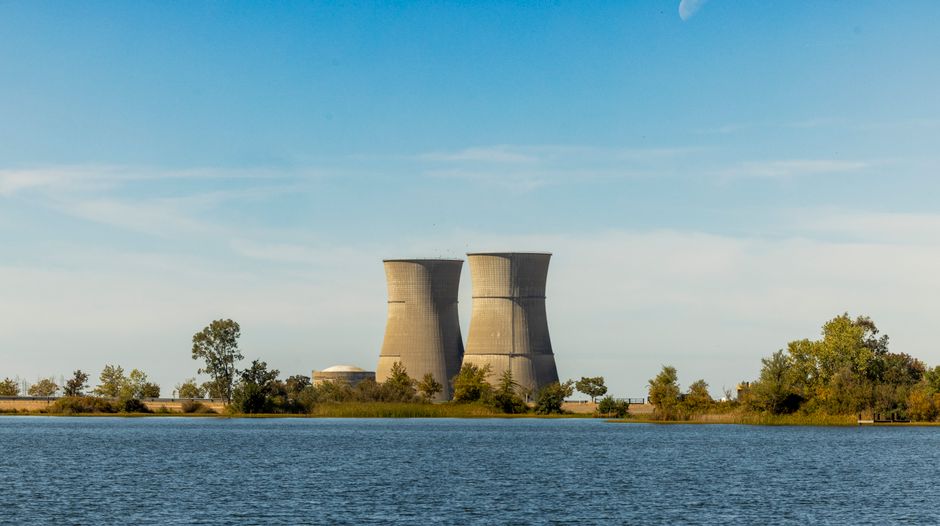
Separately, SaskPower has selected the Rafferty site near Estevan for further study on deploying Small Modular Reactors, with a goal of delivering at least 600 megawatts of power from that development. The province said continued work in the Estevan area will build on years of planning, engagement and regulatory preparation already underway, and will help sustain the region’s skilled energy workforce.
The government said nuclear generation is meant to complement Saskatchewan’s broader electricity mix, which currently includes coal, wind, solar, hydro, natural gas, energy storage and efficiency measures. Officials said the province has already completed substantial groundwork across six areas tied to nuclear readiness, including public and Indigenous engagement, site and technical assessment, regulatory preparation, governance capacity, transmission planning and workforce and supply chain development.
Industry and Indigenous Stakeholders Respond
Eric Anderson, executive director of the Saskatchewan Industrial and Mining Suppliers Association, said the announcement is significant for the province’s local supply chain, noting that the association’s roughly 397 member companies employ more than 36,000 people across the mining, energy, industrial and nuclear sectors. He said these companies have spent years preparing for nuclear opportunities and already support major projects such as the Jansen potash mine and a recently announced data centre development.
Sheldon Wuttunee, president and CEO of the Saskatchewan First Nations Natural Resource Centre of Excellence, said the organization is working with the Government of Saskatchewan and SaskPower to help First Nations assess workforce, supply-chain and equity opportunities tied to nuclear development, and said the Centre looks forward to further investment to build regional capacity.
The province said it will continue engaging with Indigenous rights holders, municipalities, industry stakeholders and local leadership as planning advances, with those discussions expected to help shape future decisions on nuclear development across Saskatchewan.
This article references reporting from: