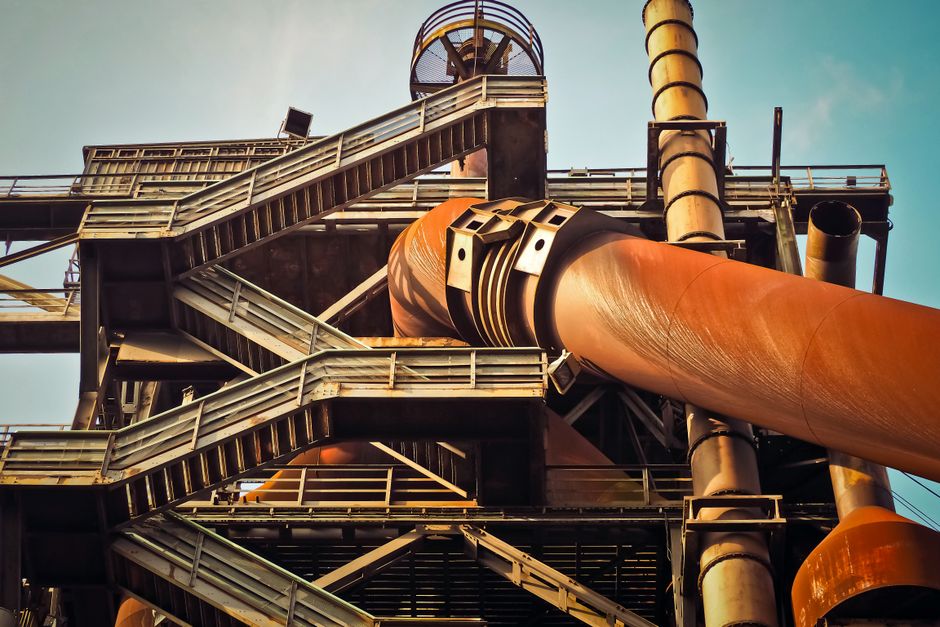
Stelco is preparing to idle a significant portion of its Hamilton steelworks next month, a move that could put up to 500 employees out of work and has drawn sharp criticism from union leaders, local politicians and federal officials.
Ron Wells, president of United Steelworkers Local 1005, said the union was informed at a meeting Monday morning that roughly 350 members will be laid off indefinitely. Stelco plans to shut down the cold mill and coating departments at its Hamilton facility on Oct. 9, citing low steel prices and a market strained by tariffs.
Trevor Harris, vice-president of corporate affairs at Stelco, confirmed the layoffs in a statement, saying the company had been “forced to make this very difficult decision” in the face of continued market uncertainty and damage to its business stemming largely from steel imports into Canada. Harris said Stelco is working with union leadership to meet its obligations under existing collective agreements. The company’s statement did not specify whether any non-unionized employees are among those affected.
There are 600 unionized workers at the Hamilton plant. While about 350 employees in the cold mill and coating departments will be laid off starting in October, roughly 250 workers at the coke plant will continue working, according to Wells. At its peak in the 1970s and early 1980s, Stelco employed more than 25,000 people.
Ripple Effects at Nanticoke
The fallout is expected to extend beyond Hamilton. John McElroy, president of United Steelworkers Local 8782, said another 60 to 80 unionized workers at Stelco’s Nanticoke facility will lose their jobs in the coming weeks as a result of the changes in Hamilton. Nanticoke had previously supplied steel used in Hamilton’s cold mill, but McElroy said that supply chain will now be severed.
Both Wells and McElroy argued the layoffs run counter to a commitment made by Cleveland-Cliffs, the U.S. steelmaking company that acquired Stelco in 2024, to maintain employment levels for five years following the purchase. Neither Stelco nor Cleveland-Cliffs responded to questions about how the layoffs align with that earlier commitment.
The union leaders also pointed to comments made in July by Cleveland-Cliffs CEO Lourenco Goncalves, who told investors that the future of Hamilton’s operations was at risk unless Ottawa took further steps to restrict what he described as cheap steel imports. Wells said the layoffs felt like “spitting in our face,” arguing the company was blaming tariffs for a situation he said it had a hand in creating. Wells and McElroy said they had not ruled out legal action against Stelco.
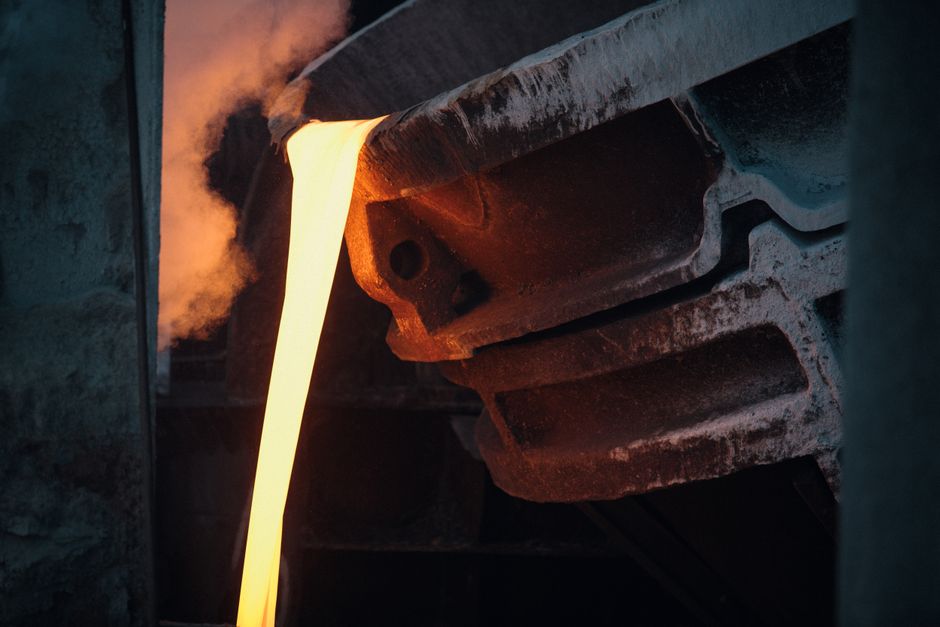
Political and Union Response
Hamilton Mayor Andrea Horwath, who is running for re-election, called the layoffs “devastating” and said it was unfair to the community for an employer to lay off workers so readily. Other mayoral candidates, including Ward 8 councillor Rob Cooper and Keanin Loomis, who recently resigned as president of the Canadian Institute for Steel Construction to run for mayor, also called for governments to respond with urgency.
The office of federal Industry Minister Mélanie Joly described the layoffs as “extremely disappointing” and said the government would “use every lever possible to defend Canadian industry, protect jobs, and secure our supply chain.” Local Liberal MPs Lisa Hepfner and John-Paul Danko also criticized the announcement, with Danko saying the government would take necessary measures if Stelco and Cleveland-Cliffs are found not to be meeting their obligations. Federal Conservative MP Ned Kuruc also criticized both the company and the government’s broader handling of the trade dispute.
Ottawa has previously rolled out support measures for Canada’s steel sector during the ongoing trade dispute, including some restrictions on foreign steel imports. However, industry representatives have said additional trade restrictions are still needed to protect the domestic market. Ontario’s provincial government did not respond to requests for comment by publication.
This article references reporting from: