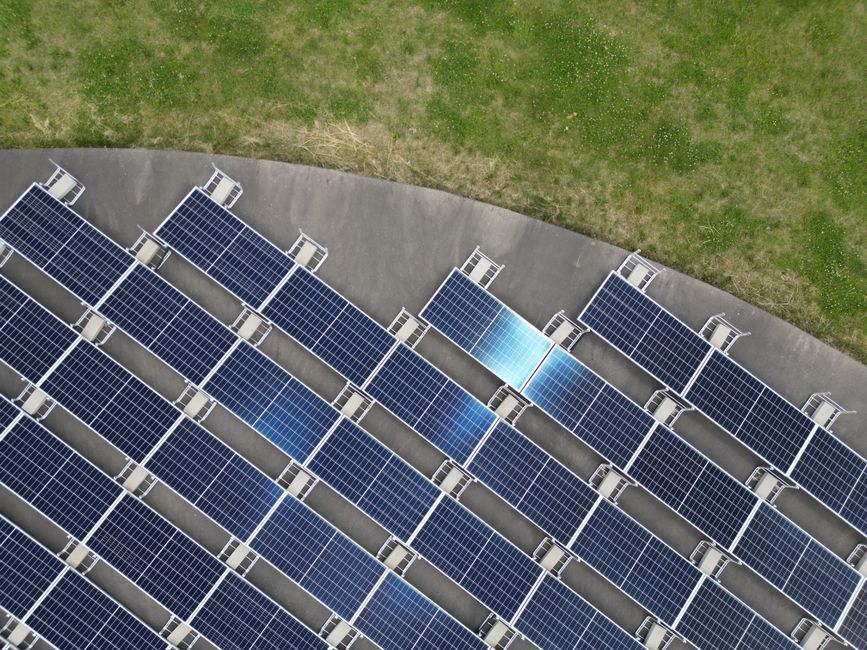
Skyline Clean Energy Fund has closed its largest solar transaction to date, acquiring 76 megawatts of installed solar capacity in Ontario and growing its solar portfolio by 83 per cent.
The Guelph-based private renewable energy infrastructure fund purchased 3,291 solar assets in early September, a mix of commercial, industrial and residential rooftop and ground-mount projects. The deal pushed Skyline’s total solar capacity from more than 90 MW to almost 172 MW, according to vice-president Matt Kennedy. The fund’s overall assets under management rose from roughly $425 million to around $500 million as a result. Kennedy declined to disclose the value of the transaction.
Kennedy said the acquisition fit well with Skyline’s existing holdings and reflects the fund’s strategy of acquiring value-add assets considered essential to Ontario’s electricity grid. He pointed to rising energy demand in the province and described solar as one of the lowest-cost forms of power available to help meet that need.
From Receivership to Repowering
Skyline Clean Energy Fund is one of several investment vehicles operated by Skyline Wealth Management Inc., also headquartered in Guelph. The parent company invests in, develops and manages real estate and infrastructure, while the clean energy fund holds a portfolio of solar and biogas facilities. That portfolio generated more than 117,000 megawatt-hours of electricity in 2025 — enough to power 15,429 homes for a year, according to the company’s sustainability report.
The newly acquired assets, located mainly in south and southwest Ontario, were purchased out of receivership. Kennedy described the portfolio as distressed and in need of maintenance and capital investment to unlock its value. Skyline has since launched a corrective maintenance program focused on fuse and inverter replacements, among other repairs, and has brought four to five sites back online since the purchase.
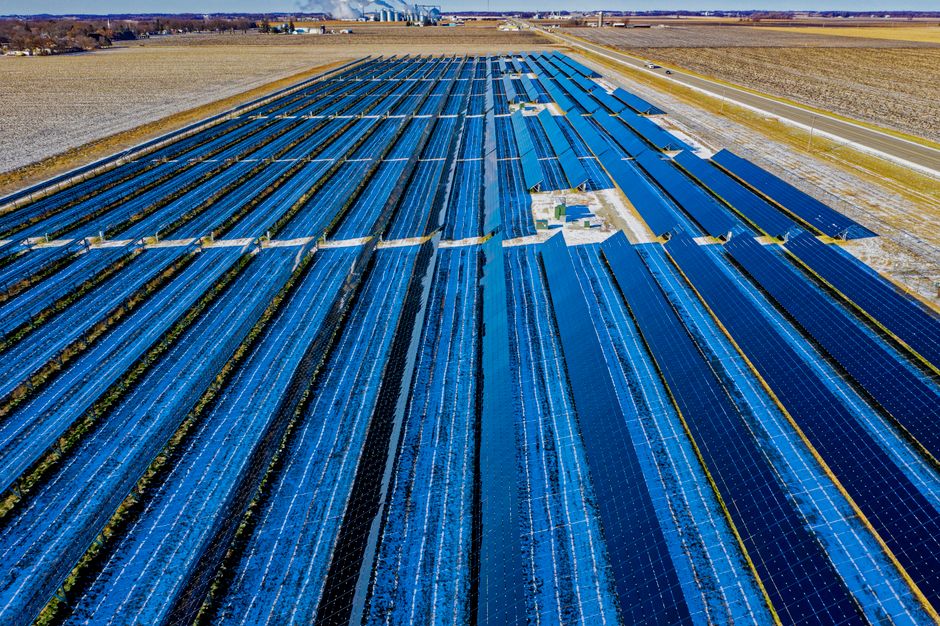
The remediation work runs alongside Skyline’s separate $68-million repowering project, launched less than two years ago, which involves upgrading 19 existing solar assets to boost efficiency as they age. That work includes swapping out solar modules installed around 15 years ago for more efficient versions. Kennedy said the program offers attractive returns and is expected to improve revenue generation for investors while resetting the assets’ operational life and lowering maintenance costs.
Before this deal, Skyline’s largest acquisition had been the December 2023 purchase of seven ground-mount solar sites totalling about 48 MW of capacity.
Feeding Ontario’s Growing Grid Needs
Electricity from the newly acquired sites is sold into Ontario’s grid under long-term, fixed-price feed-in tariff and microFIT contracts, which compensate producers per kilowatt-hour supplied. Kennedy said the stability of these contracts, some of which run as long as 20 years under microFIT, was a key factor behind the acquisition.
He also pointed to long-term procurement plans from the Independent Electricity System Operator, which is prioritizing solar and battery storage projects. The IESO projects a 65 per cent increase in Ontario’s electricity demand between 2026 and 2050, and plans to meet that growth through a combination of new and refurbished nuclear power, wind, solar, gas-fired generation and stationary batteries. Kennedy said the procurement approach signals that the IESO wants existing solar assets to stay operational to help support new capacity as it comes online.
For now, Skyline said its focus is on restoring the newly acquired sites to full operation and completing its repowering initiative, though the fund remains open to future opportunities.
This article references reporting from: