U.S. President Donald Trump has escalated his trade dispute with Canada by imposing outright bans on imports of certain Canadian goods, a move that took effect at 12:01 a.m. ET Tuesday.
The bans cover a range of products including some alcoholic drinks, dairy byproducts such as whey, and motorcycles. Canada’s Trade Minister Dominic LeBlanc’s office said the government’s top priority remains protecting and supporting Canadian workers, farmers, families and businesses from what it called unjustified actions.
The measures mark the latest escalation in a trade war that began after official negotiations between the two countries broke down last month, with each side accusing the other of introducing late changes to a proposed agreement. The restrictions are expected to hit the affected industries hard, though they are not seen as likely to significantly slow Canada’s overall economic growth in the near term.
The Numbers Behind the Ban
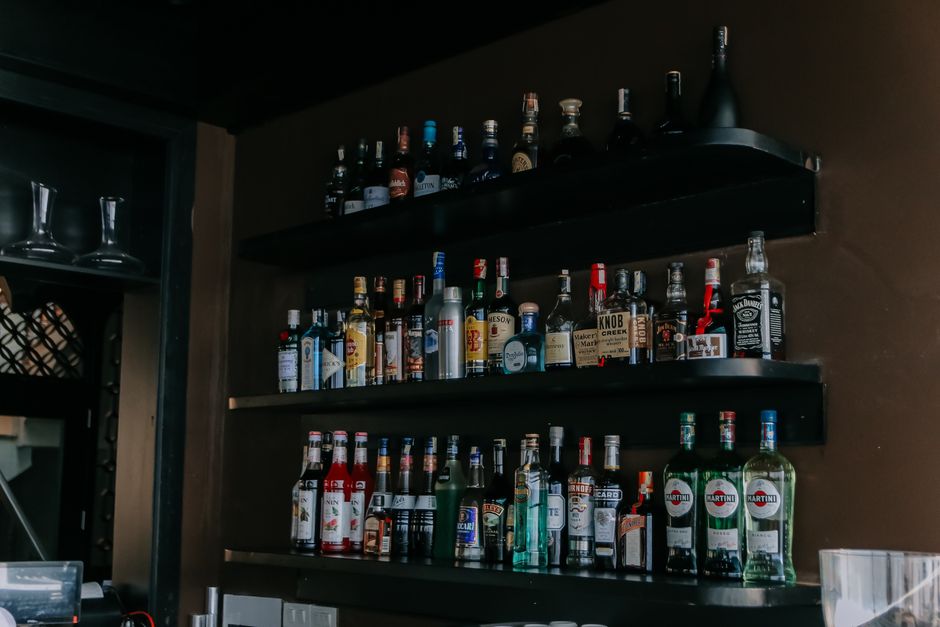
Jacob Jensen, director of trade policy at the American Action Forum, a centre-right U.S. think tank, estimates the ban will affect roughly US$967 million worth of Canadian imports based on 2025 figures. Of that total, about 87 per cent is alcoholic beverages, which the U.S. targeted after several Canadian provinces pulled American booze from store shelves in response to earlier U.S. trade actions.
Toasts Not Tariffs, a U.S.-based group representing farmers, distillers, retailers, restaurants and bars, said in a statement that it appreciates the Trump administration’s push to get Canada to reopen its markets to American spirits and wine. However, the group said the ban is pulling American restaurants, bars, retailers and consumers further into a dispute that has already taken a toll on U.S. wine and spirits producers, and it called for a negotiated resolution that restores cross-border sales.
In Canada, federal Conservatives accused the government of failing to support the domestic alcohol industry, urging Ottawa to pause the federal alcohol excise tax and suspend its escalator increases. Conservative Canada-U.S. relations critic Shuvaloy Majumdar said it is not the time for higher taxes on industries fighting to stay competitive.
The ban also extends to motorcycles. Quebec-based BRP Inc. confirmed its three-wheel Can-Am Spyder and Canyon motorcycles will be excluded from importation into the United States. The company said the effect likely won’t be felt until next year, since it has already completed most of its production and shipments for the current season.
A Widening Trade Conflict
Trump said Monday he expects Canada to return to the negotiating table within weeks, predicting Canadian officials would seek to remove all tariffs. Speaking to reporters in the Oval Office, he said he believes the U.S. will ultimately prevail in the dispute.
The latest bans follow a chain of escalating measures. After talks collapsed in August, the United States imposed 50 per cent tariffs on a range of Canadian goods, and Ottawa responded weeks later with its own tariffs on similar American products. Trump then signed orders directing some federal agencies to drop Canadian goods from procurement lists and imposing Tuesday’s import bans. He also signed an executive order renaming Lake Ontario as Lake America, though the change does not affect how the lake is referred to within Canada.
Scale of the U.S. Import Ban and Ontario's Response
Canada is separately facing 10 per cent tariffs that the Trump administration links to forced labour in supply chains, though these do not apply to goods compliant with the Canada-U.S.-Mexico Agreement (CUSMA). Additional sectoral tariffs continue to weigh on Canadian steel, aluminum, automobile and cabinetry industries.
Ontario Expands Support for Affected Businesses
Ontario, among the hardest-hit provinces, expanded eligibility on Tuesday for a $1-billion financing program offering loans to tariff-affected businesses, along with a $150-million fund providing grants or loans to small and medium-sized businesses seeking new export markets.
Ontario’s Economic Development and Trade Minister Vic Fedeli said in a statement that the government is working to ensure businesses are equipped to navigate current challenges while taking steps to reduce long-term reliance on a single market and diversify their international exports.
This article references reporting from: